
Wunschwerkstatt 2026: Students Develop Solutions for a Real-World Business Challenge
24 students, four teams, and a real-world business challenge: In the first “Wunschwerkstatt,” young people at the LabX Makerspace developed their own product ideas and turned them into prototypes. The new matchIO format demonstrates how practical knowledge transfer between schools, industry, and universities can be successful.
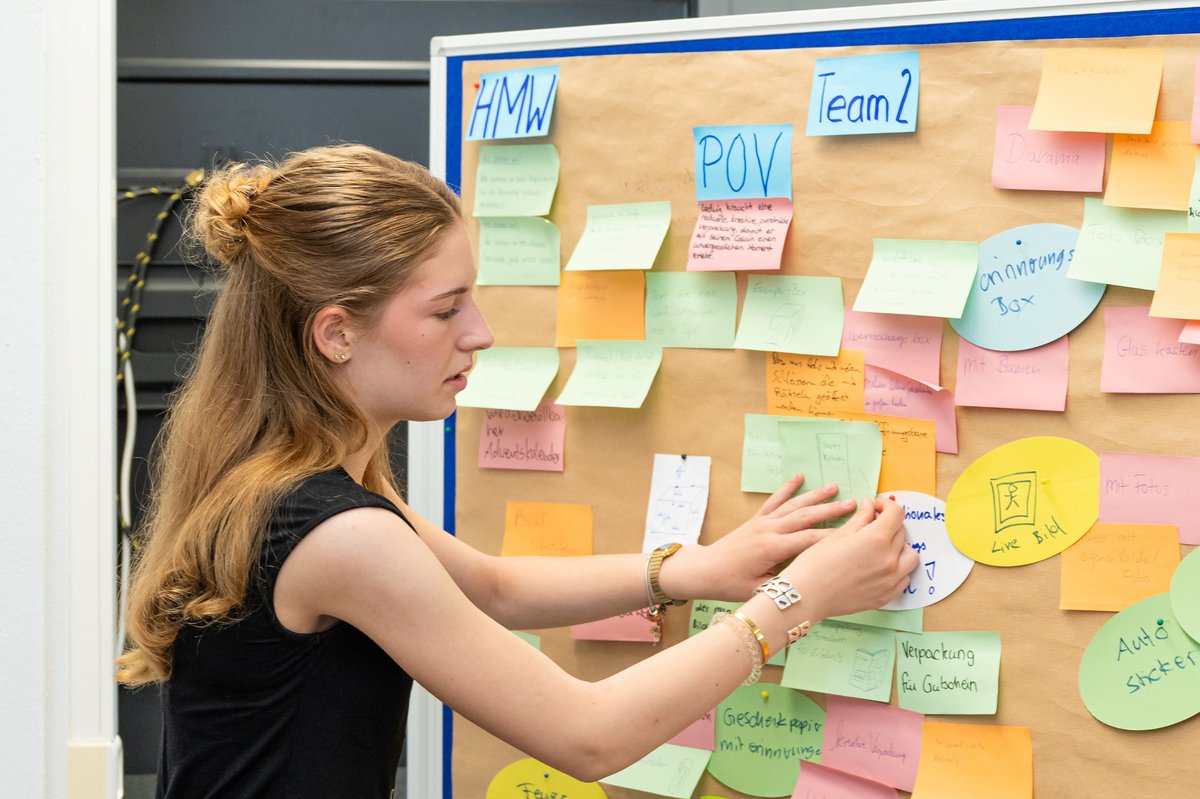
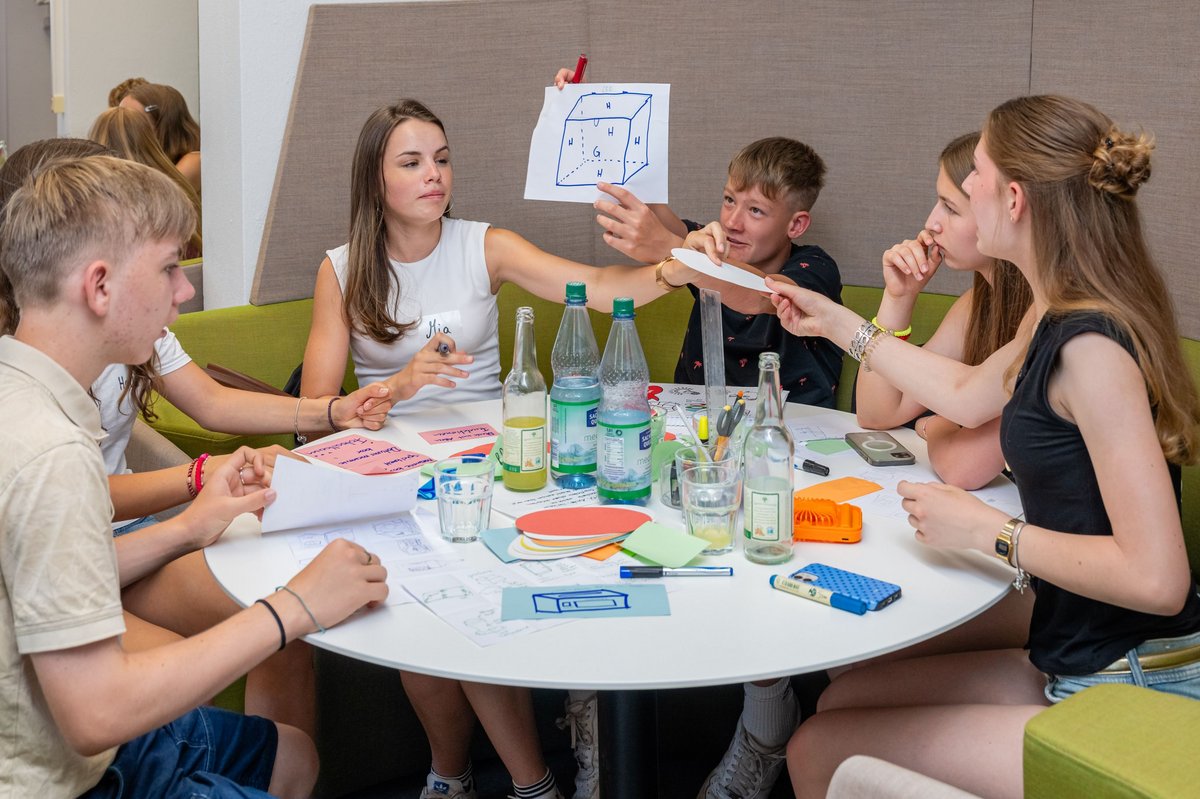
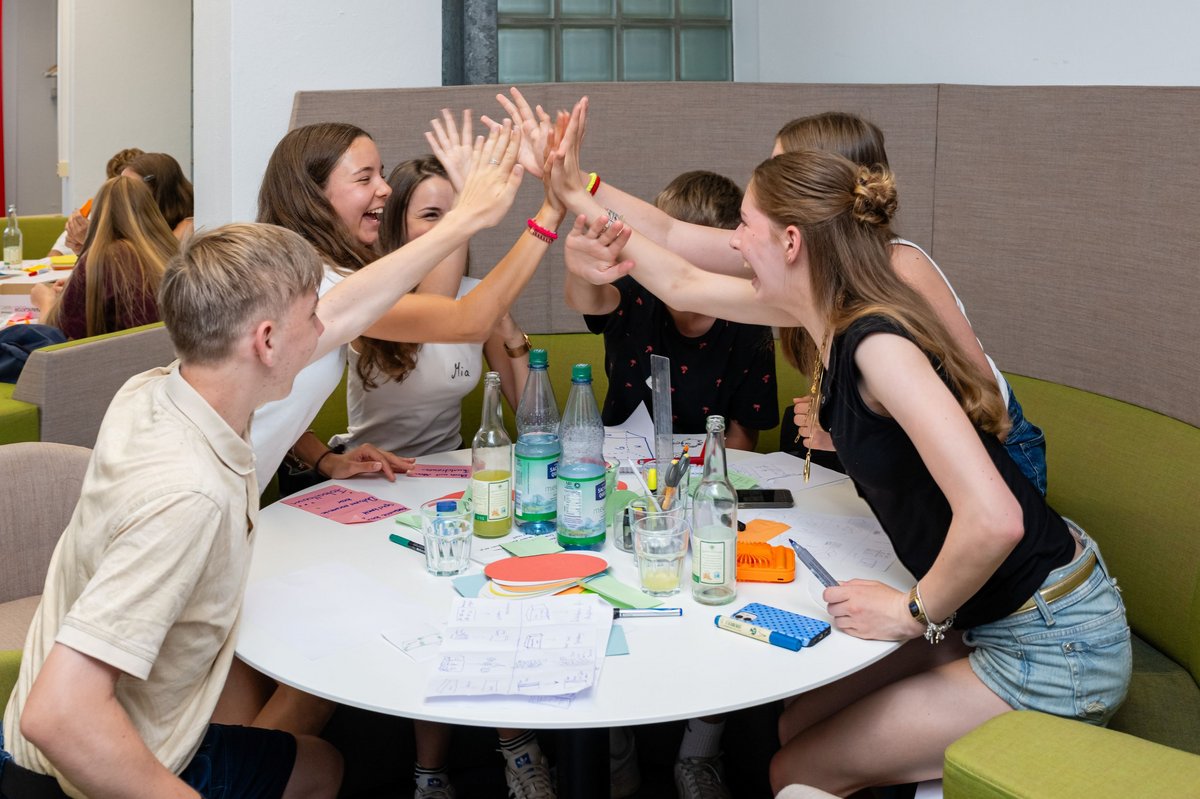
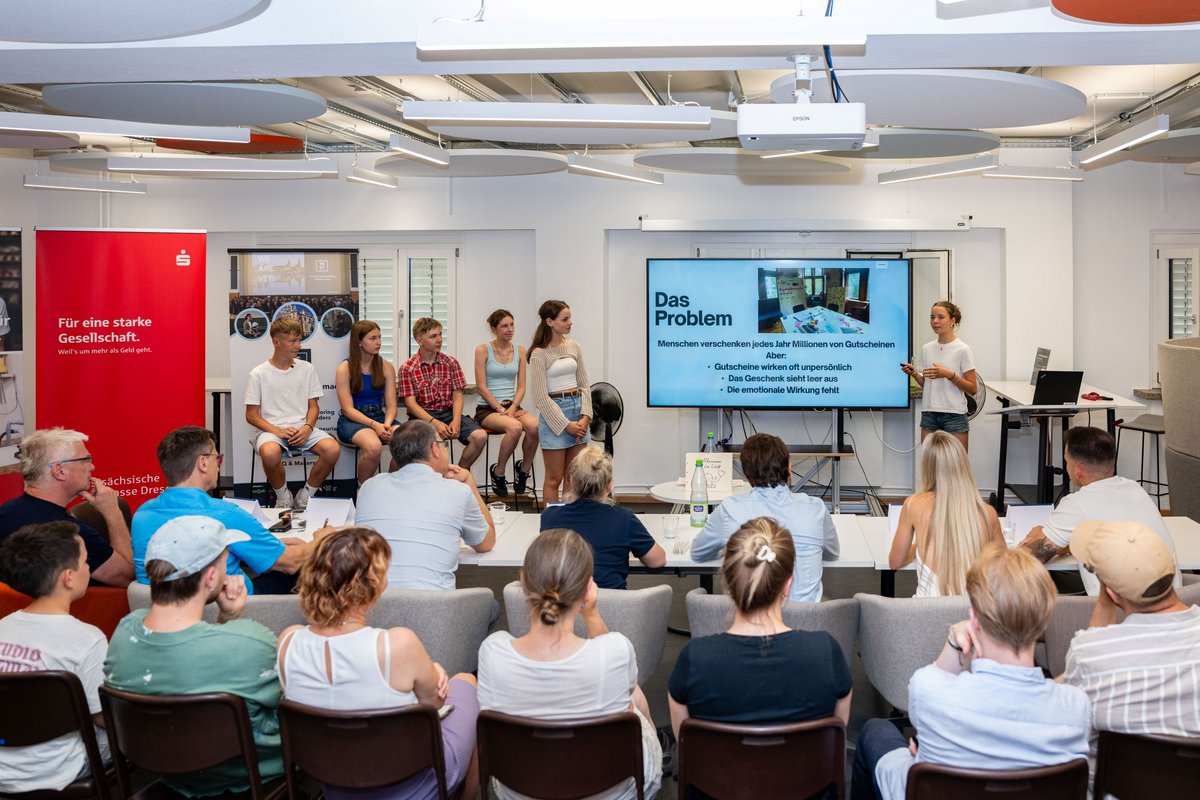
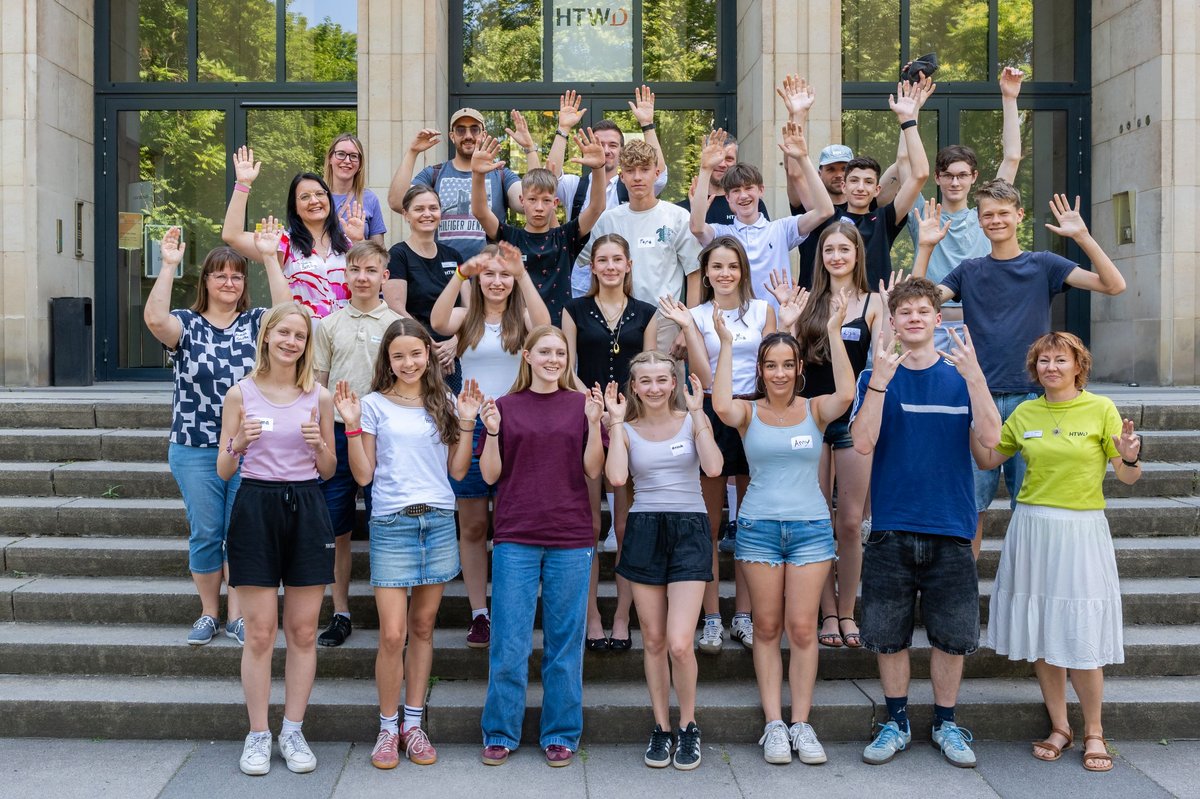
How can we inspire young people at an early age to embrace innovation, entrepreneurial thinking, and the practical implementation of their own ideas? With the “Wunschwerkstatt,” the matchIO initiative at HTW Dresden has tested a new learning and knowledge-transfer format that brings together schools, academia, and industry to tackle a real-world business challenge.In the first edition of the “Wunschwerkstatt,” 24 high school students from the Dippoldiswalde/Altenberg and Dresden-Plauen high schools worked on a specific challenge posed by the company Wunderwunsch. Within one week, four teams developed their own product ideas, turned them into prototypes, and finally presented their results to a jury.
From the Initial Idea to a Prototype
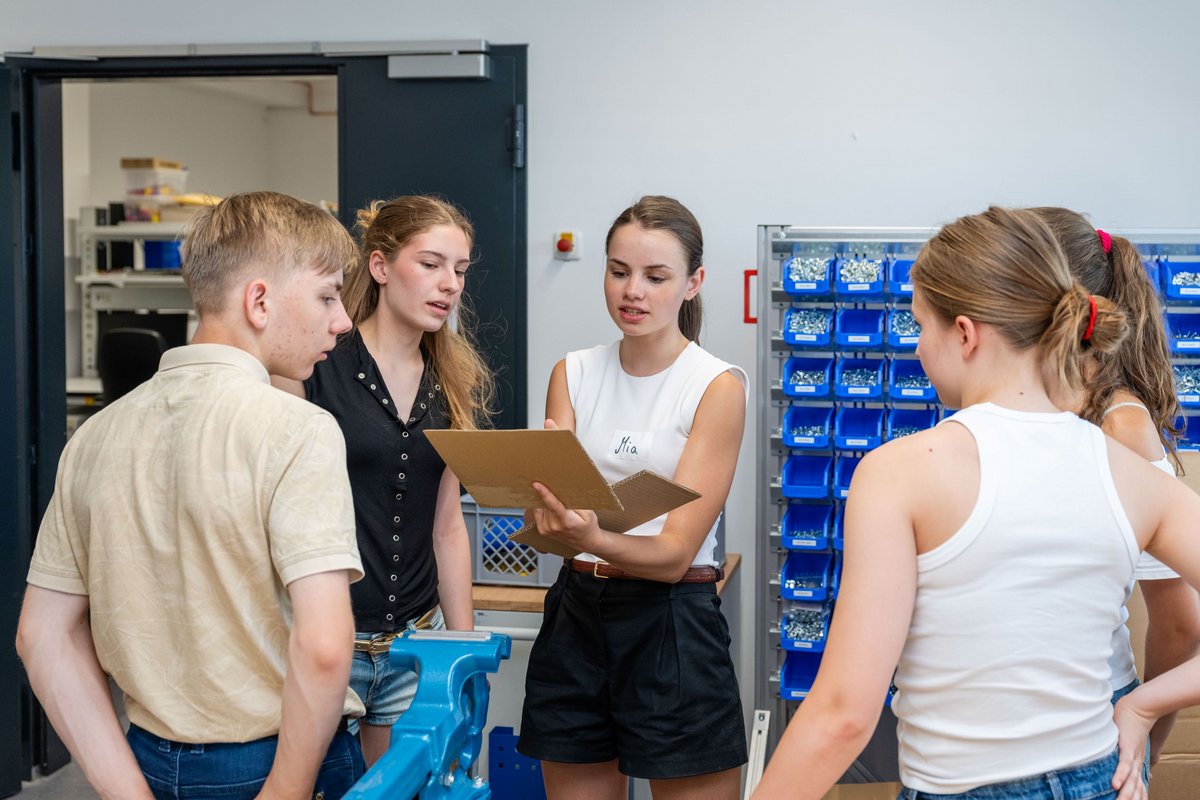
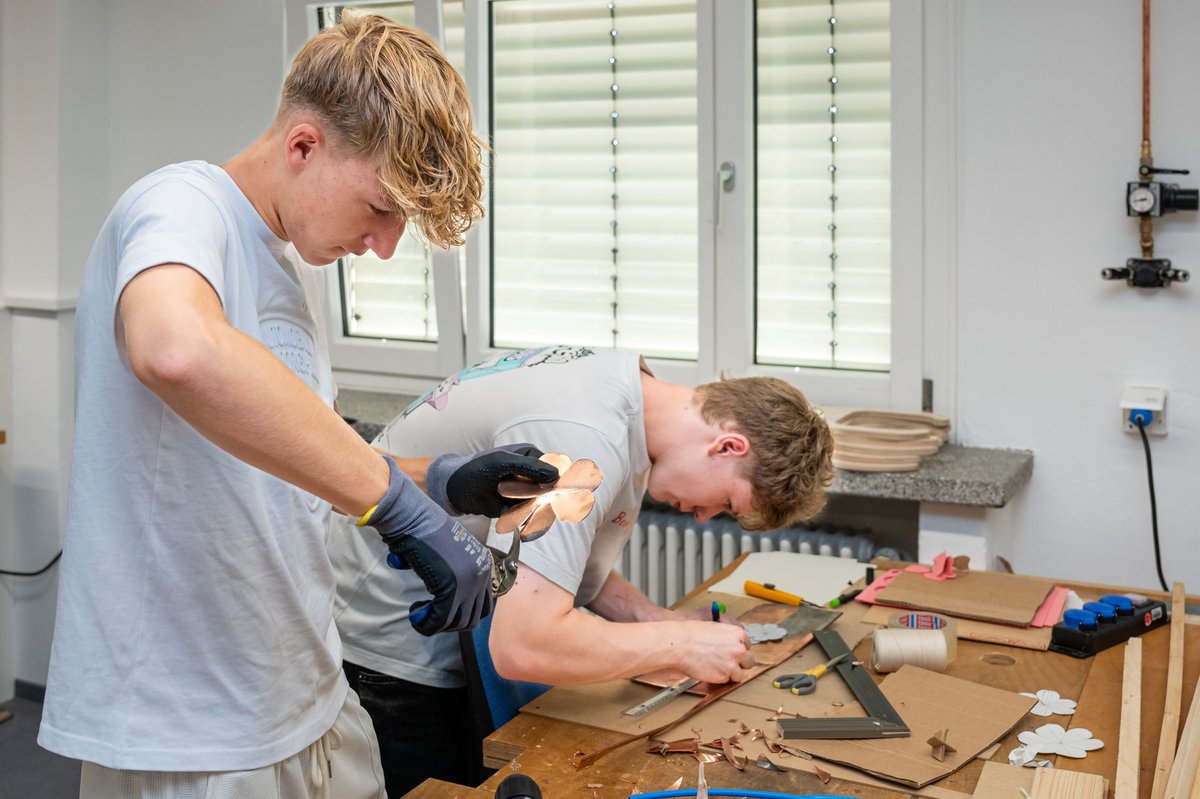
At the LabX Makerspace at HTW Dresden, the students were able to put their concepts to the test right away. They experimented with different materials and manufacturing processes, discussed design and implementation options, and gradually refined their ideas.
They were supported by mentors and experts from academia, industry, and the YETI Fellowship. In addition to technical and methodological skills, the focus was particularly on teamwork, creativity, problem-solving abilities, and taking independent responsibility.
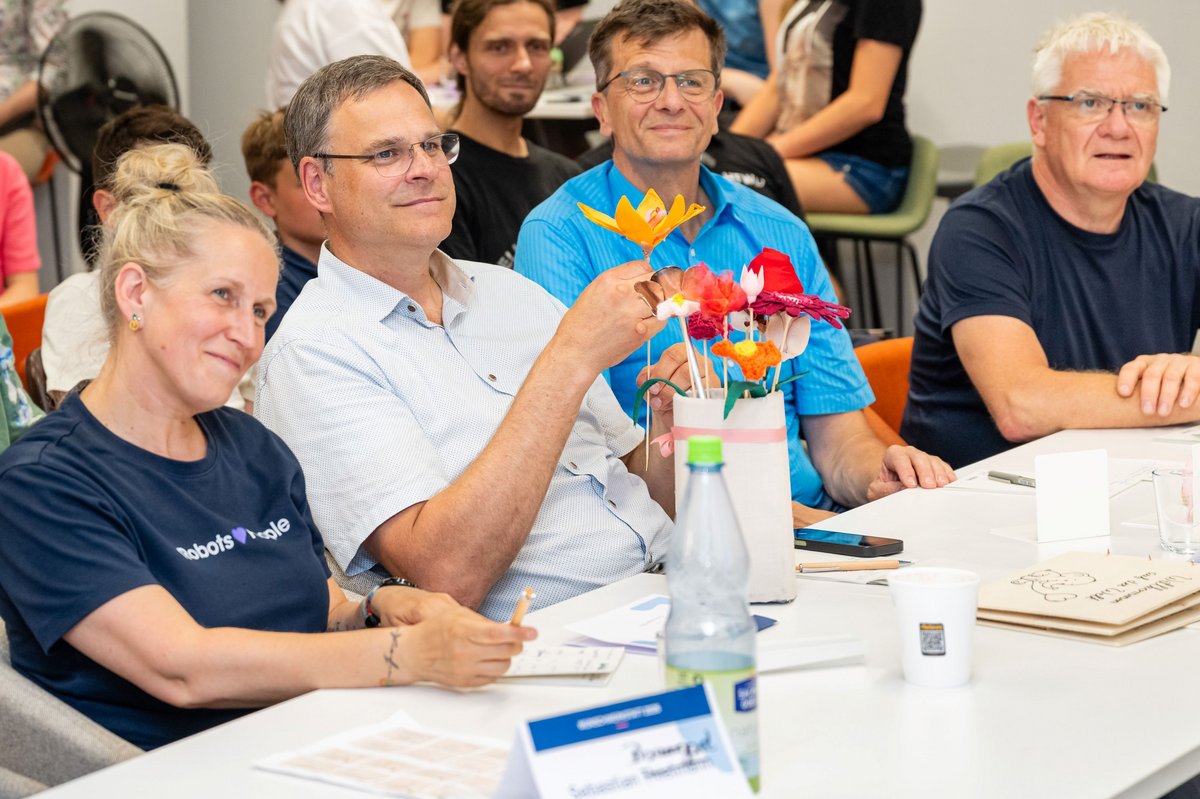
The result of the intensive project week: four different product concepts that impressed the company and will now be further developed
Knowledge Transfer Through Real-World Challenges
The “Wunschwerkstatt” is a program offered by the HTWD initiative matchIO, and its goal is to combine hands-on learning processes with concrete challenges from businesses. This gives students the opportunity not only to discuss innovation in theory but also to actively engage with real-world problems.
At the same time, the format offers companies new perspectives on their challenges. The young people’s unbiased and creative approach can generate ideas that might not otherwise emerge in established development processes.
For the Chair of Information Management, the “Wunschwerkstatt” is thus a successful example of application-oriented knowledge transfer: the university’s academic and methodological expertise is combined with practical business needs and new forms of learning.
Successful Proof of Concept for matchIO
Just a few months before it took place, the “Wunschwerkstatt” was merely an initial concept. Its successful implementation now demonstrates how schools, the business community, and universities can work together to shape innovative learning and knowledge-transfer processes.
The project week was supported by Wunderwunsch, the YETI Fellowship, HTW Dresden, Ostsächsische Sparkasse Dresden, and the participating high schools. Sachsen Fernsehen documented the special atmosphere and the teams’ work in a special report. In addition, a podcast and a YouTube video were produced.
However, the development of the format does not end with the conclusion of the project week. A joint evaluation will bring together the experiences of all participants. Based on this, the “Wunschwerkstatt” will be further developed and opened up to future business challenges.
Sachsen Fernsehen report:
Podcast on the “Wunschwerkstatt”:
Pictures for the news