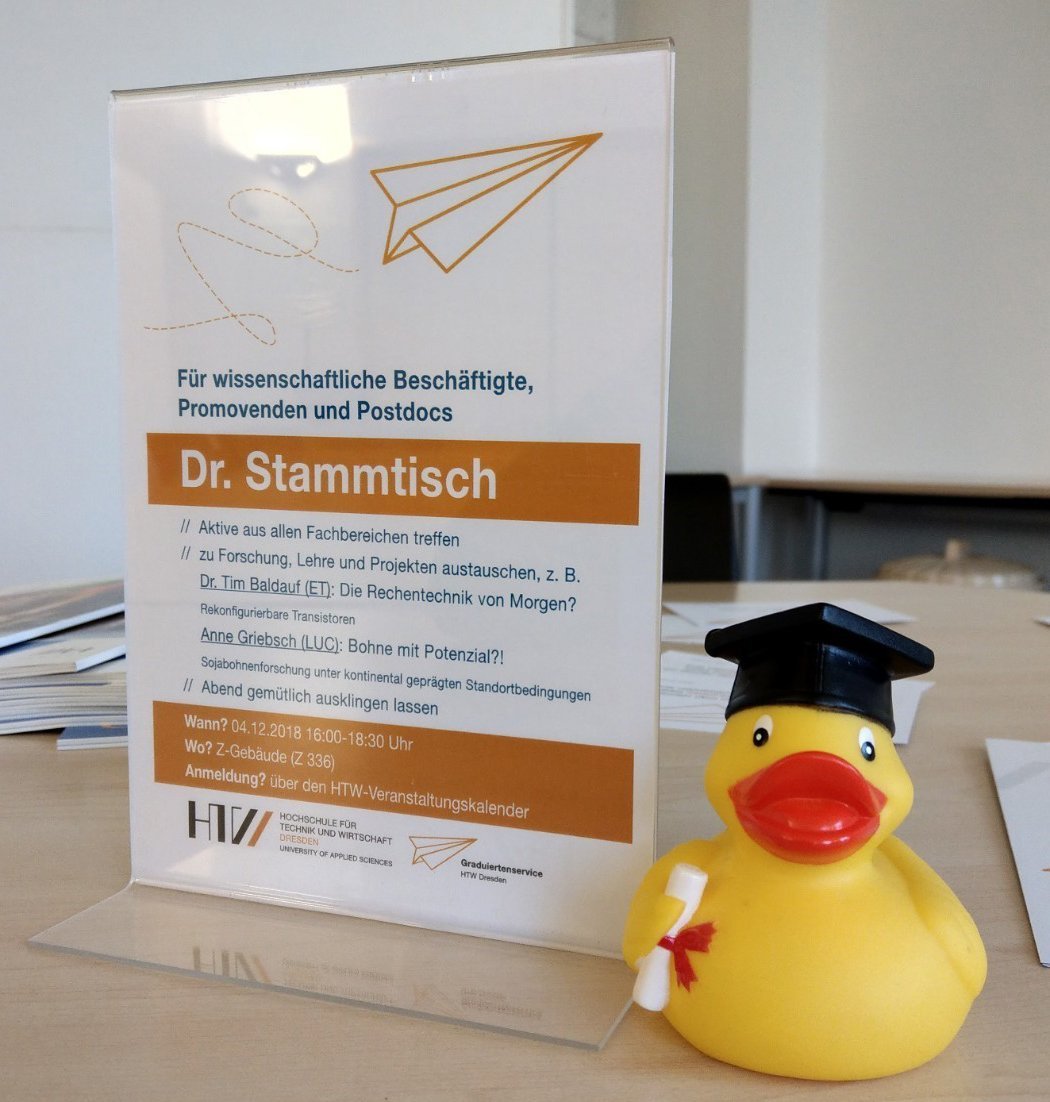


Regular's table for young scientists
The regular's table for young scientists takes place up to four times a year. At the event, which lasts around 1.5 hours, young researchers, doctoral students, laboratory engineers, postdocs and academic staff can exchange ideas and listen to keynote speeches from other researchers and university activists.
Our next meeting
On 13.05.2026 from 09:00 - 10:30 there will be a special edition of our regular's table on the occasion of the EuroDoc Day.
We have invited an external speaker, Dr Thomas Servay, who will give a talk on "Creative Principles".
We look forward to welcoming all interested parties!
Previous meetings of the regular's table
There were two exciting presentations:
"Lab X - the makerspace with vision": Pia Bielitz presented the wide range of services and opportunities offered by Lab X, which supports creative and innovative projects.
"Academic publishing at the HTWD: costs and support services": Matthias Voit presented the library's services relating to academic publishing.
Many thanks to the speakers for the interesting insights!
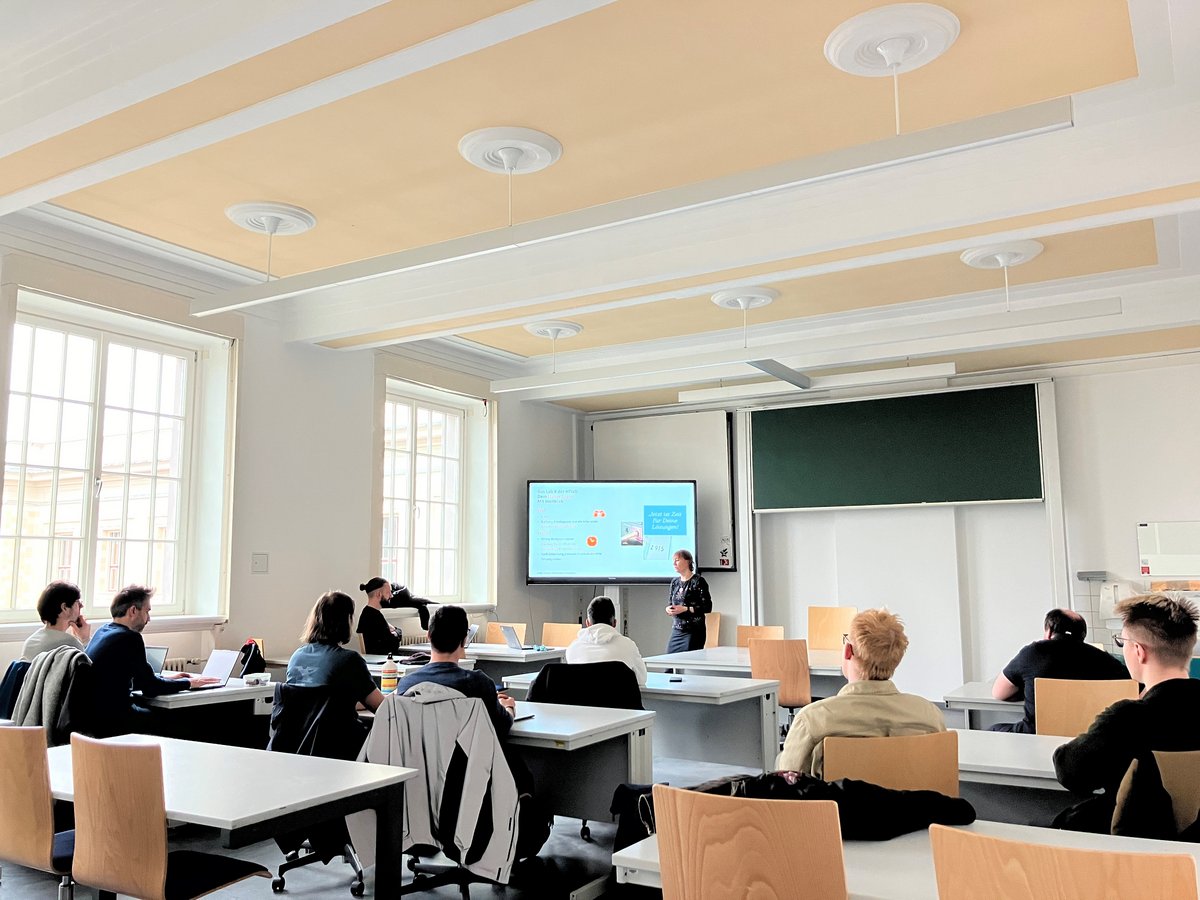
Sebastian Schilling, doctoral student at the Faculty of Spatial Information, gave an insight into his doctoral project on the topic of "Ex-schema semantics for sharing in digital building models (BIM) and geodata (GIS)".
In addition, Enrico Plathner from the LEONARDO-BÜRO SACHSEN at TU Dresden presented the ERASMUS-PLUS programme and explained the opportunities it offers doctoral students and university staff for research stays and further training abroad.
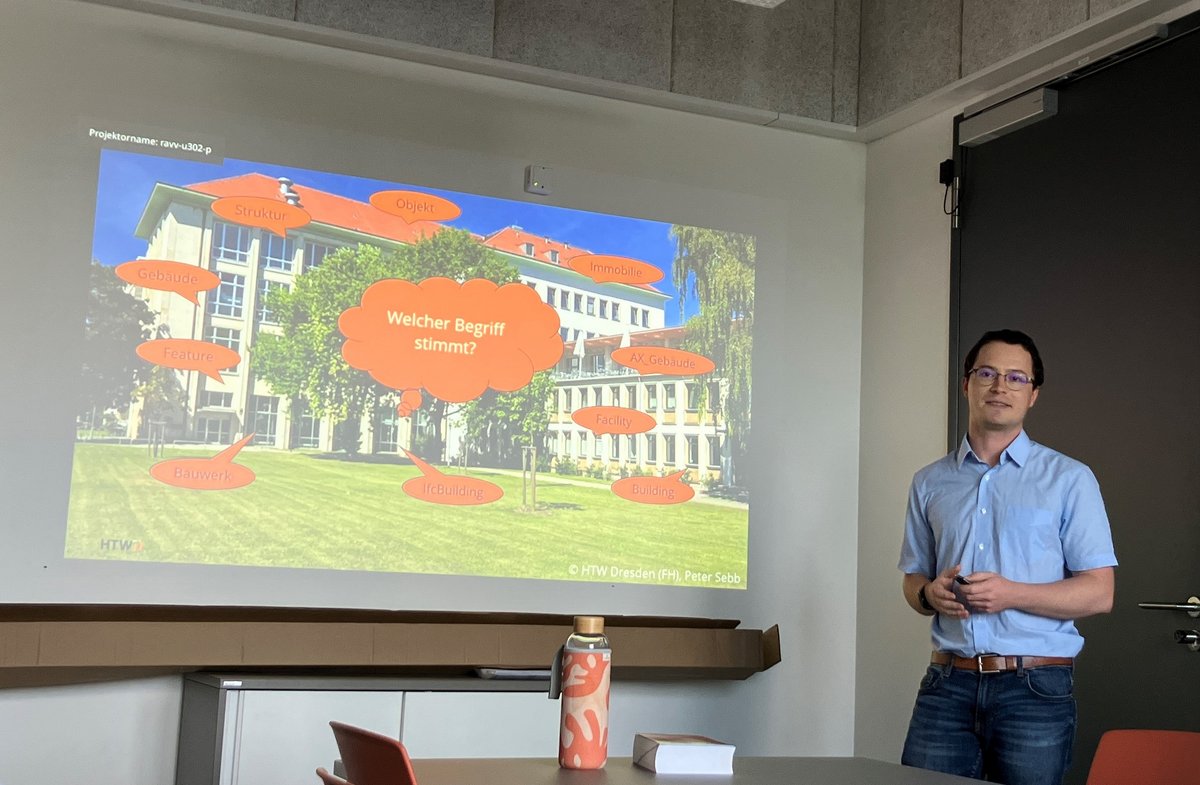
At our meeting on 27 May 2025, Oliver Kretschmar, a doctoral student at the Faculty of Agriculture/Environment/Chemistry, presented his doctoral project on the topic of "Microplastics".
There was also another exciting presentation by Josefina Peisl from the Vice-Rectorate Research, Sustainability and Transfer entitled "Talk about your research - science communication at the HTWD".
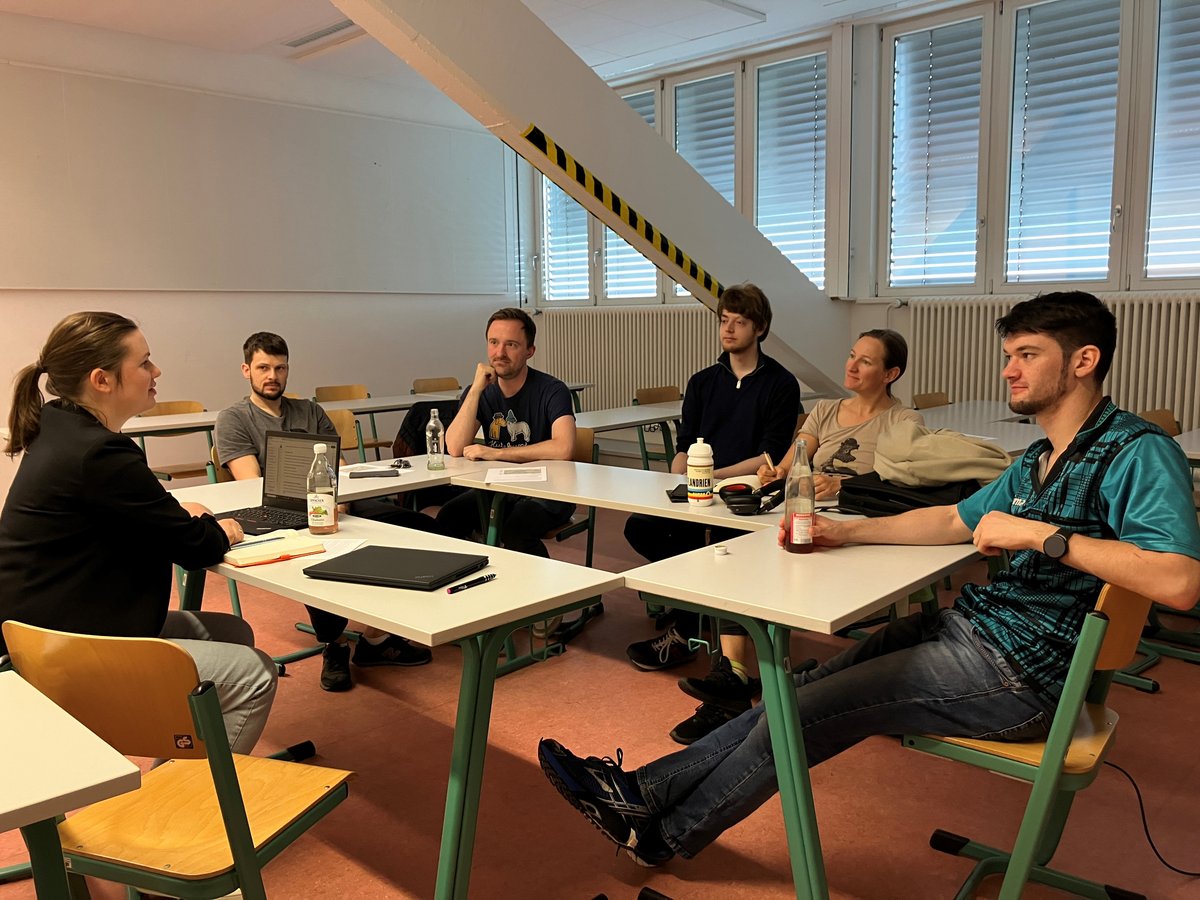
Everything was a little different at this meeting: in the special edition, we walked around the new rooms of the Gründungsschmiede in the U-building. We also had a visitor: CEO and founder of the Dresden start-up PEEROX, Andre Schult, told us about his journey from being a researcher at the Fraunhofer-Gesellschaft to founding a company. He gave deep and honest insights into the hurdles that need to be overcome when setting up a company, but also the advantages that come with being self-employed. The participants were able to take away many tips, such as how to establish a good basis for negotiation with the research institution or which funding and support options are suitable on the way to founding a company. Input was also provided by Susann Bladwell and Robert Haack from Gründungsschmiede, who advise and support researchers and students at HTWD with start-up plans.
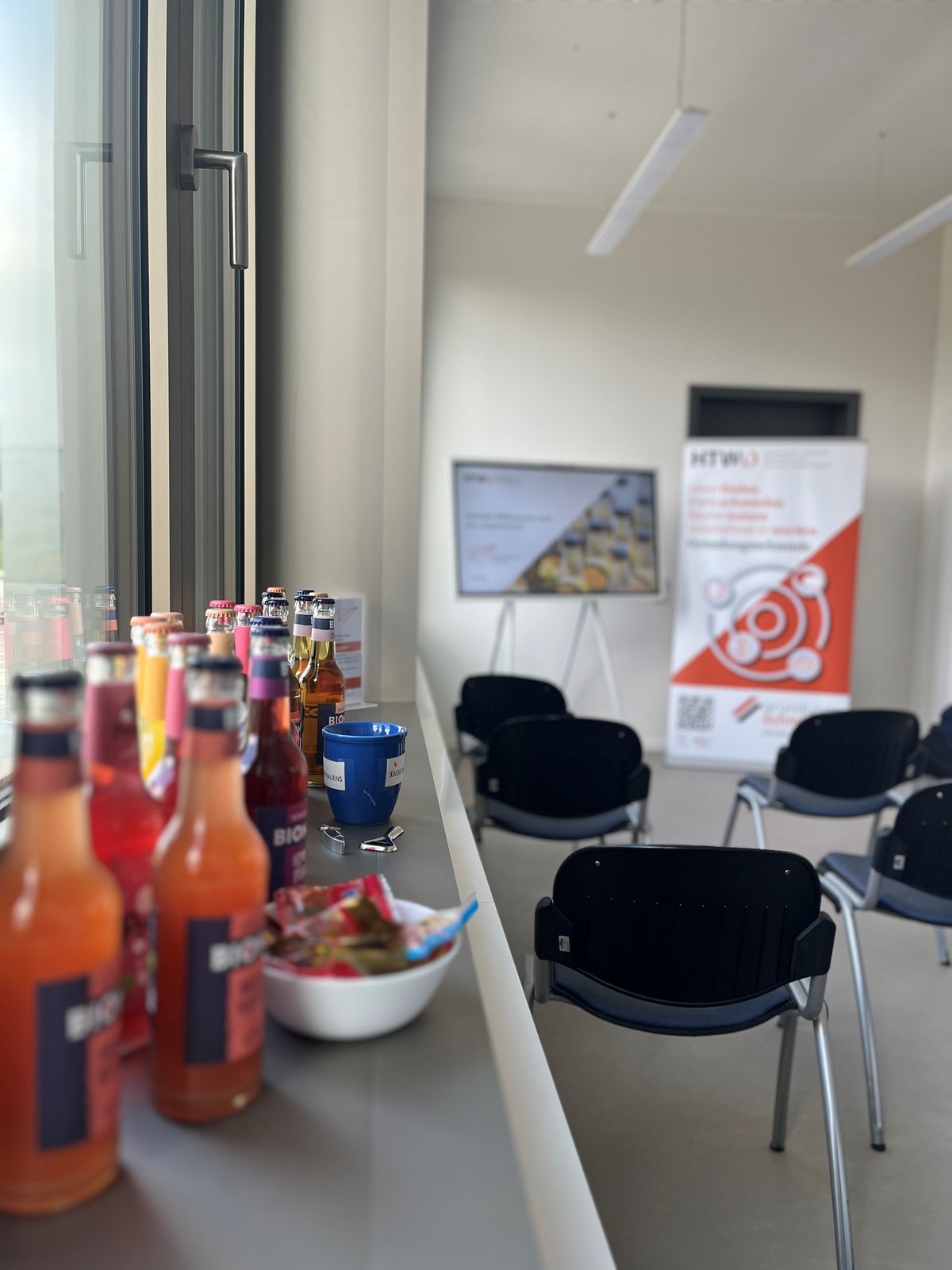
Speaking at the Dr Stammtisch:
Florian Franke, a doctoral student at the Faculty of Informatics/Mathematics, presented a mathematical model for three-dimensional multicellular tumour spheroids. This model is intended to support radiotherapy for tumour treatment and improve its results.
In the second part, Matthias Voit from the university library informed us about Open Access at the HTWD. Among other things, we learnt what Gold, Green and Diamond are all about, how the DEAL contracts work and how the HTWD supports you in publishing your research results.
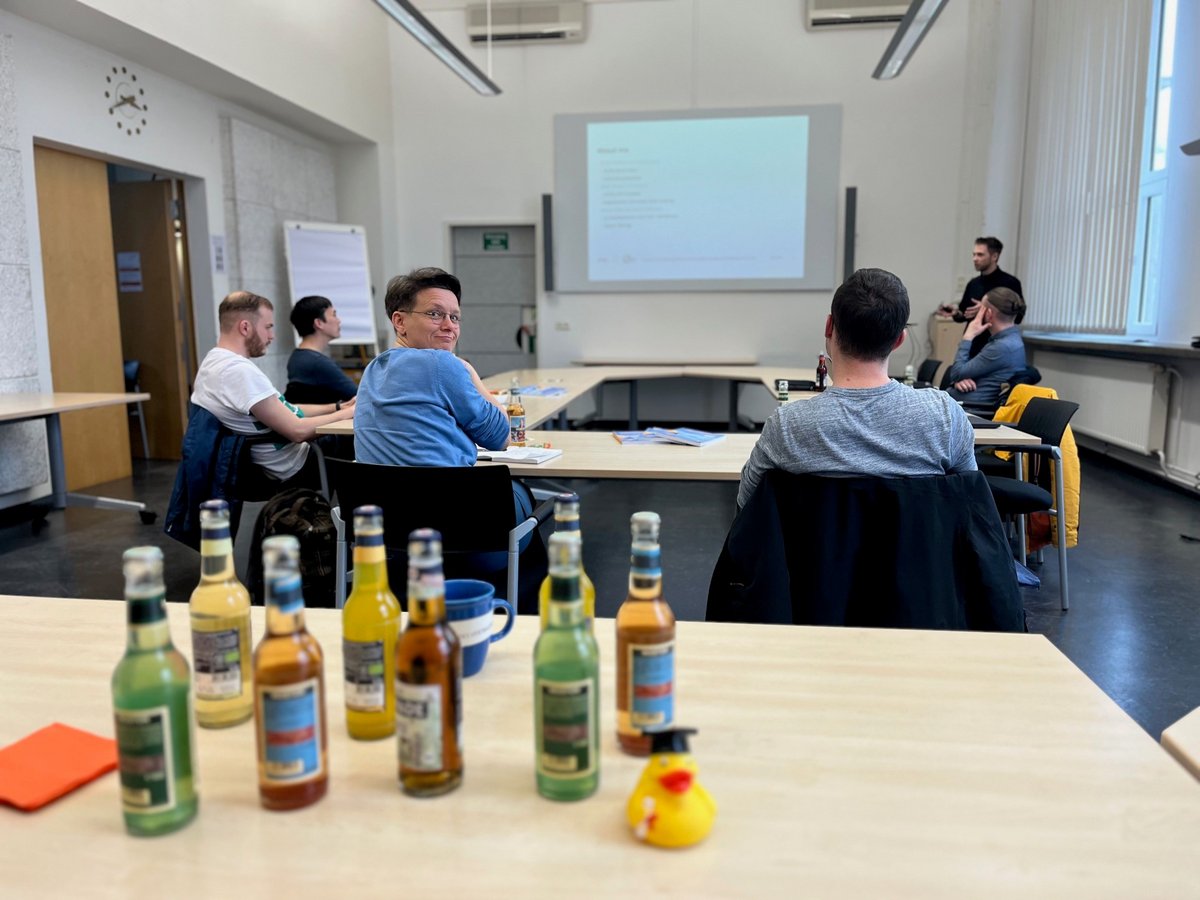
At the Dr Stammtisch:
Philipp Ballin, PhD student and part of the"tactile vision" research group at the Faculty of Informatics/Mathematics, about his research in the field of vibrotactile shape principles.
The HTWD Open Access team introduced itself and talked about your opinions and previous experiences with Open Access publications.
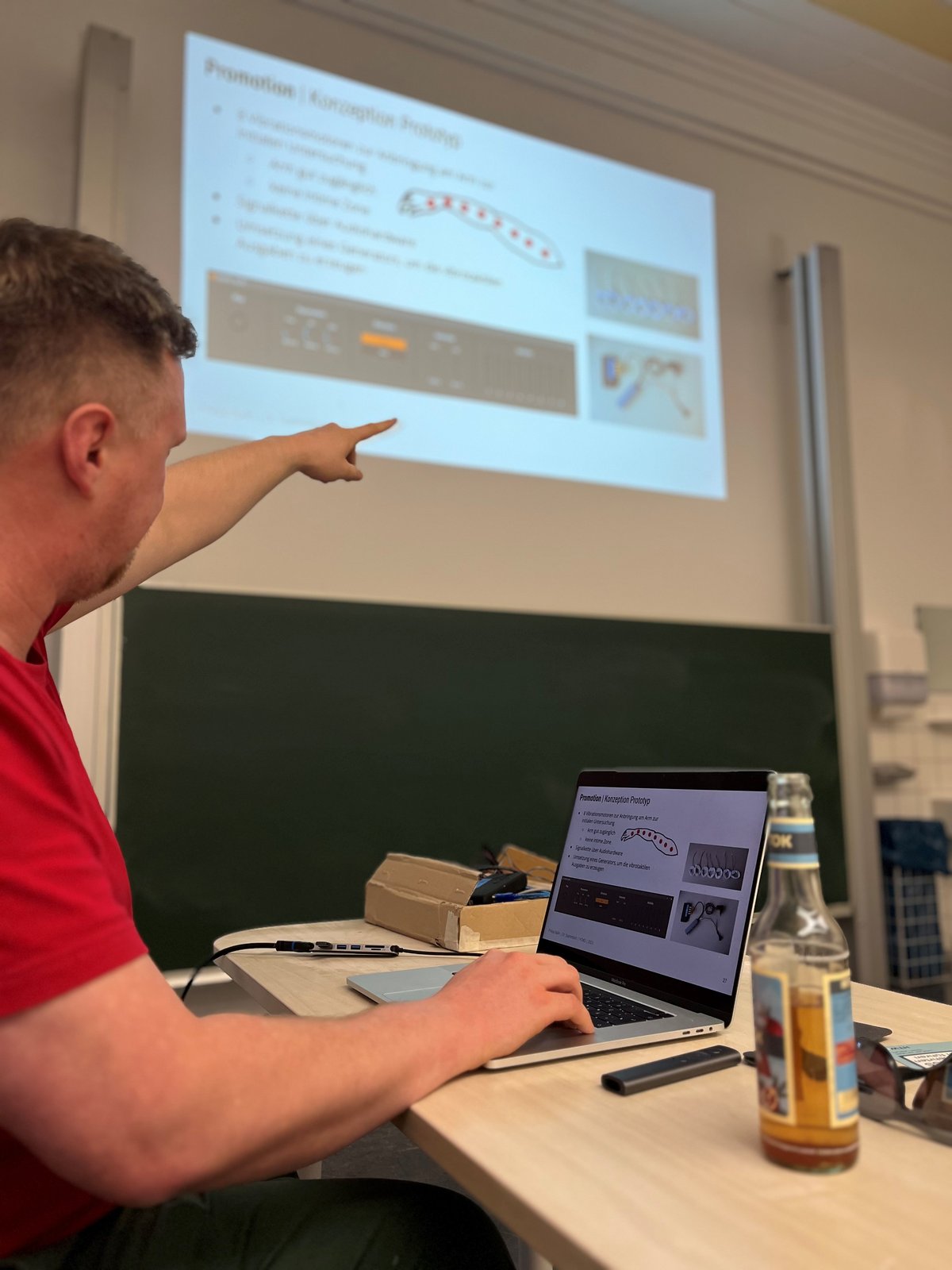
Speaking at the Dr Stammtisch:
- The team of the "prof@htw2025" project: The project aims to make it easier for academics* to become professors. The hurdles on the way to a professorship will be presented and we will discuss together which tools are available for this.
- Dr Helga Tauscher (Spatial Information): Dr Tauscher talks about her research in the field of graph-based transformations and gives insights into the open source BIM server
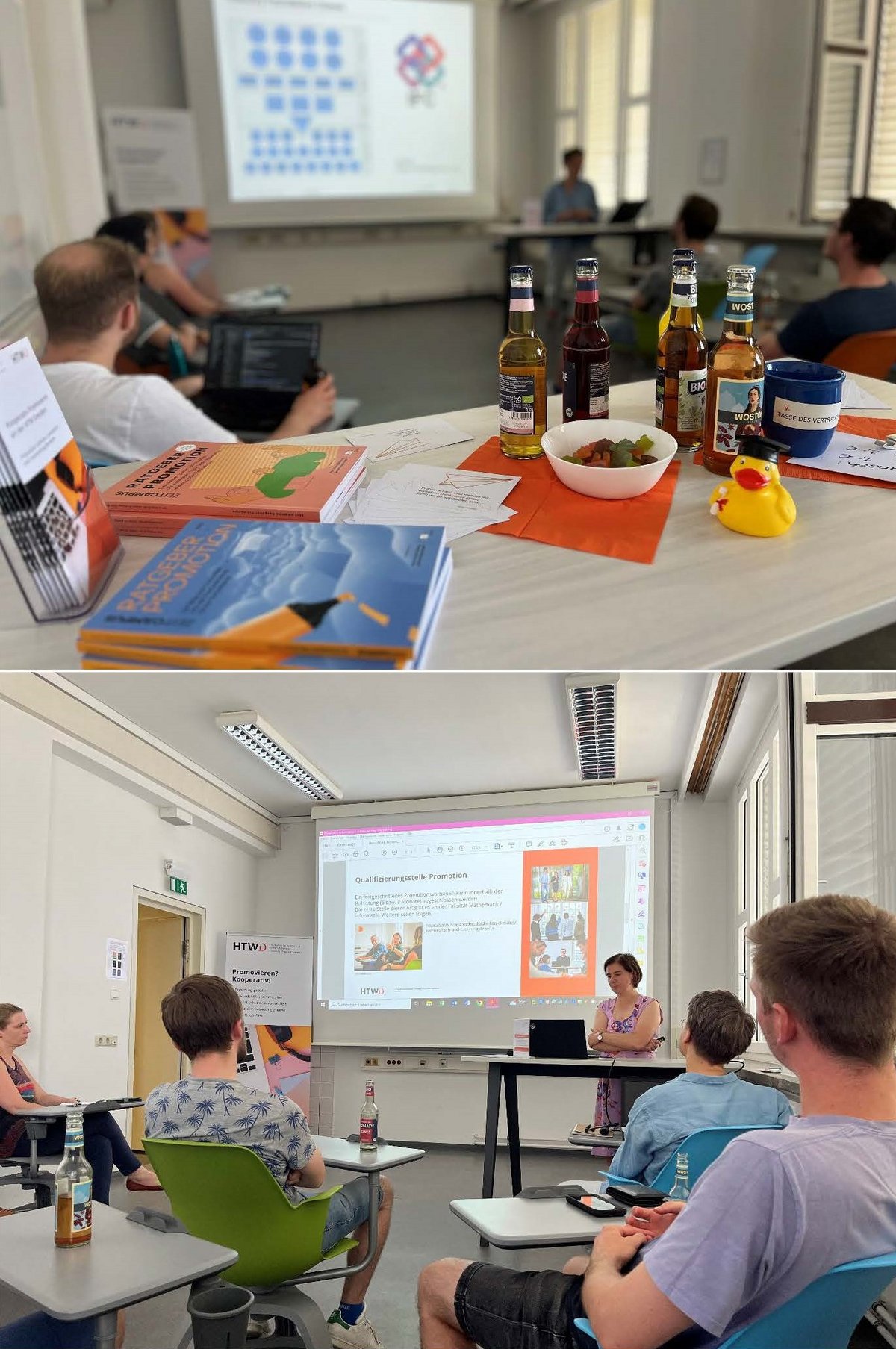
Speaking at the Dr Stammtisch:
- Dr Linh Tuan Mai (Mechanical Engineering): Virtual reality and the appropriate use in building automation
- Carolin Schaufel (Coordinator of the Female Professors Programme): How family-friendly is the HTWD and what support do we receive to better reconcile research, teaching and private life?
In a joint exchange, we collect ideas on how the university's programmes can be made even more accessible to everyone. As one measure, the Dr Stammtisch will also be offered as a lunchtime event in future to enable other interested parties to take part.
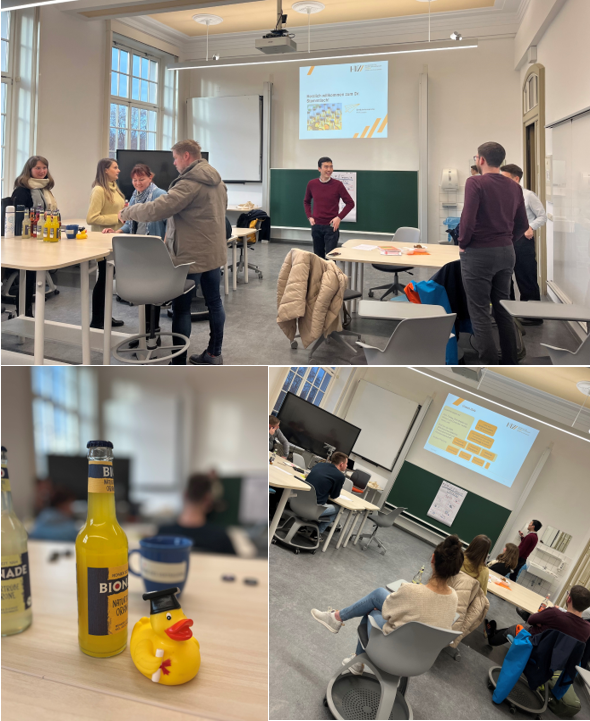
For the new edition of the Dr Stammtisch, we talk about our expectations for future events. Also speaking:
- Johannes Winter (Mechanical Engineering): Room acoustics (or How do you use a beer bottle for vivid science communication?)
- Matthias Bauch (Vice-Rectorate Research and Transfer): Which stations are important in the utilisation of research content?
The joint discussion will focus in particular on the increased requirements for communicating one's own research results (science communication) and on experiences with the realisation of a doctoral project.
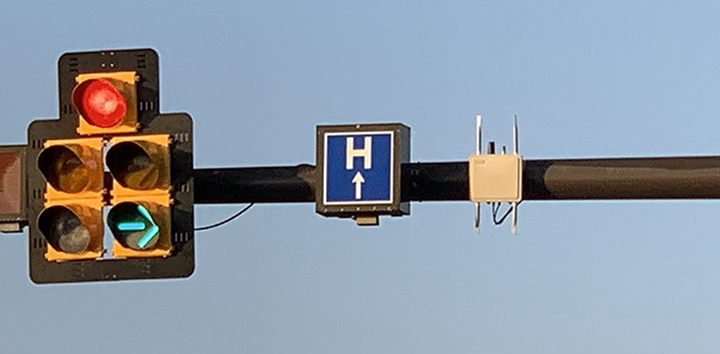
We network in every respect:
- Christoph Scharnagl (Mechanical Engineering): Networked driving
- Joint discussion: What do we expect from a new office of the rector?
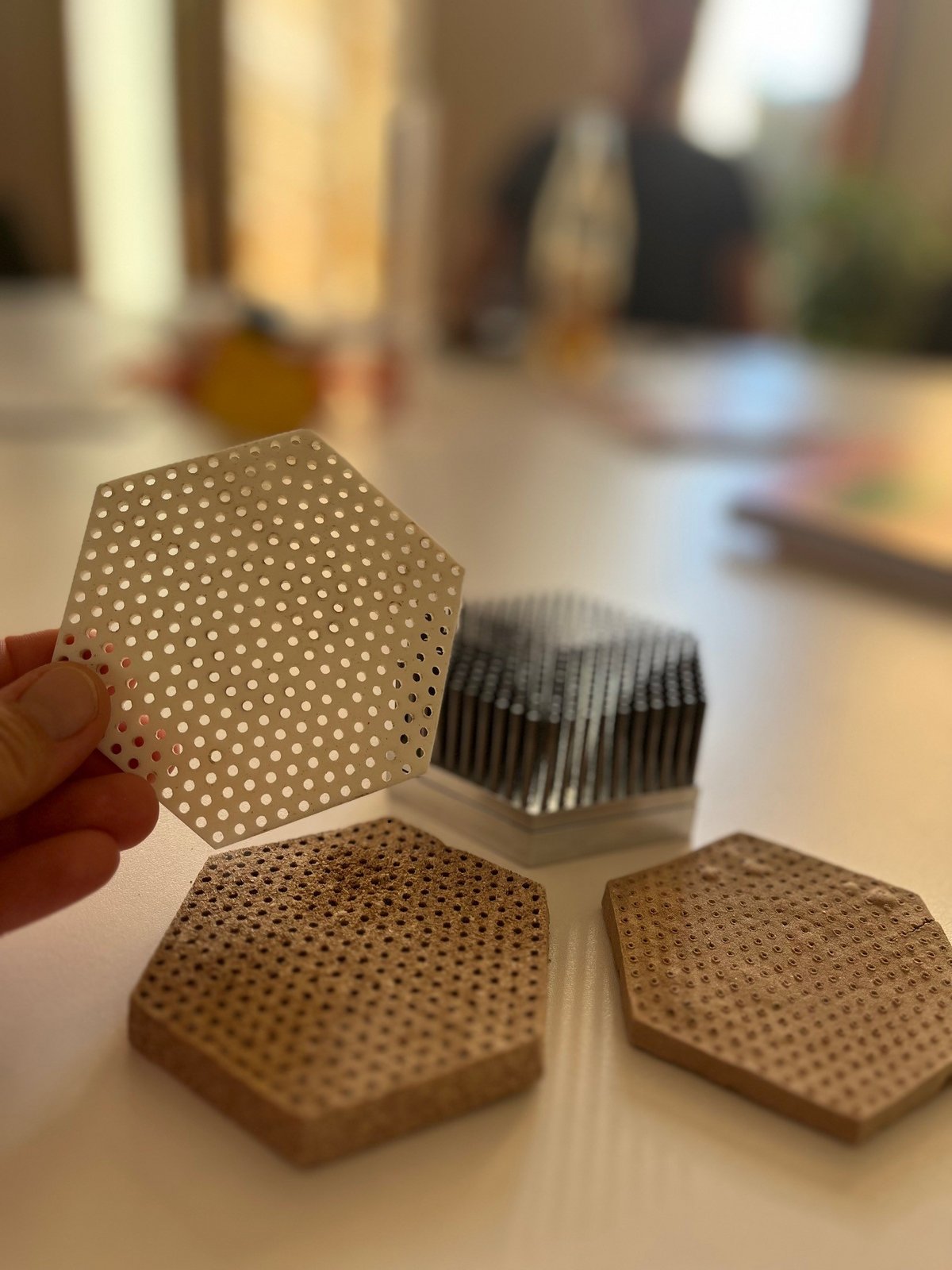
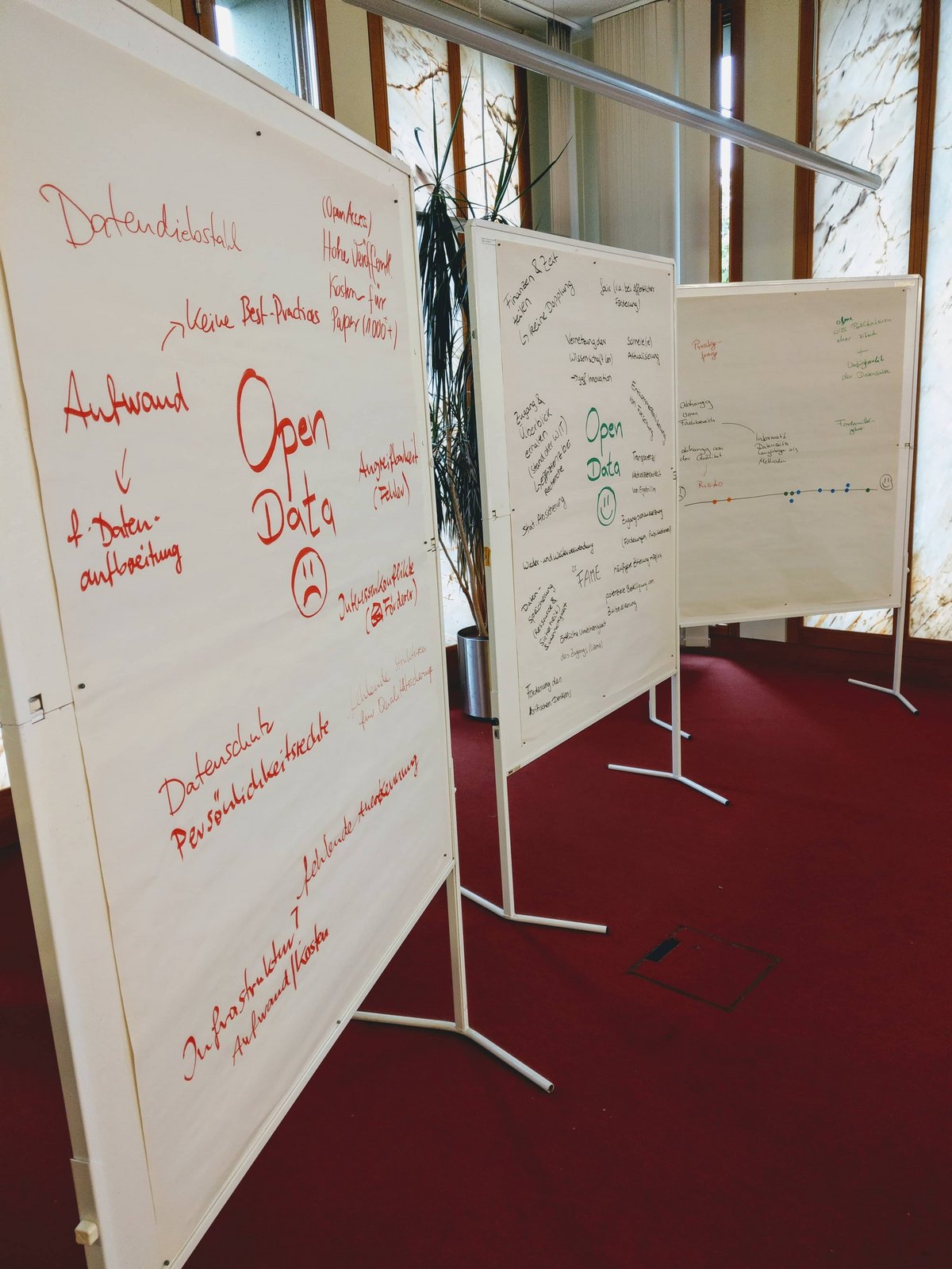
After a pictorial round of introductions in the library, learn more about and from:
- Daniel Firzlaff (Agriculture/Environment/Chemistry): Bioplastics for sensor technology - How gelatine is to become a sensor material
- Elfi Hesse and Juliane Baier (Vice-Rectorate Research): Open what? Information and discussion on open science and research data management at HTW Dresden
We wander away from the usual meeting rooms and get a taste of Industry 4.0 from the computer scientists. The speakers were
- Dr Javad Ghofrani (Computer Science/Mathematics): Fog Computing: Tools and Framework
- Denise Beyer (Gründungsschmiede): Start-up - it's not for me! Or is it?
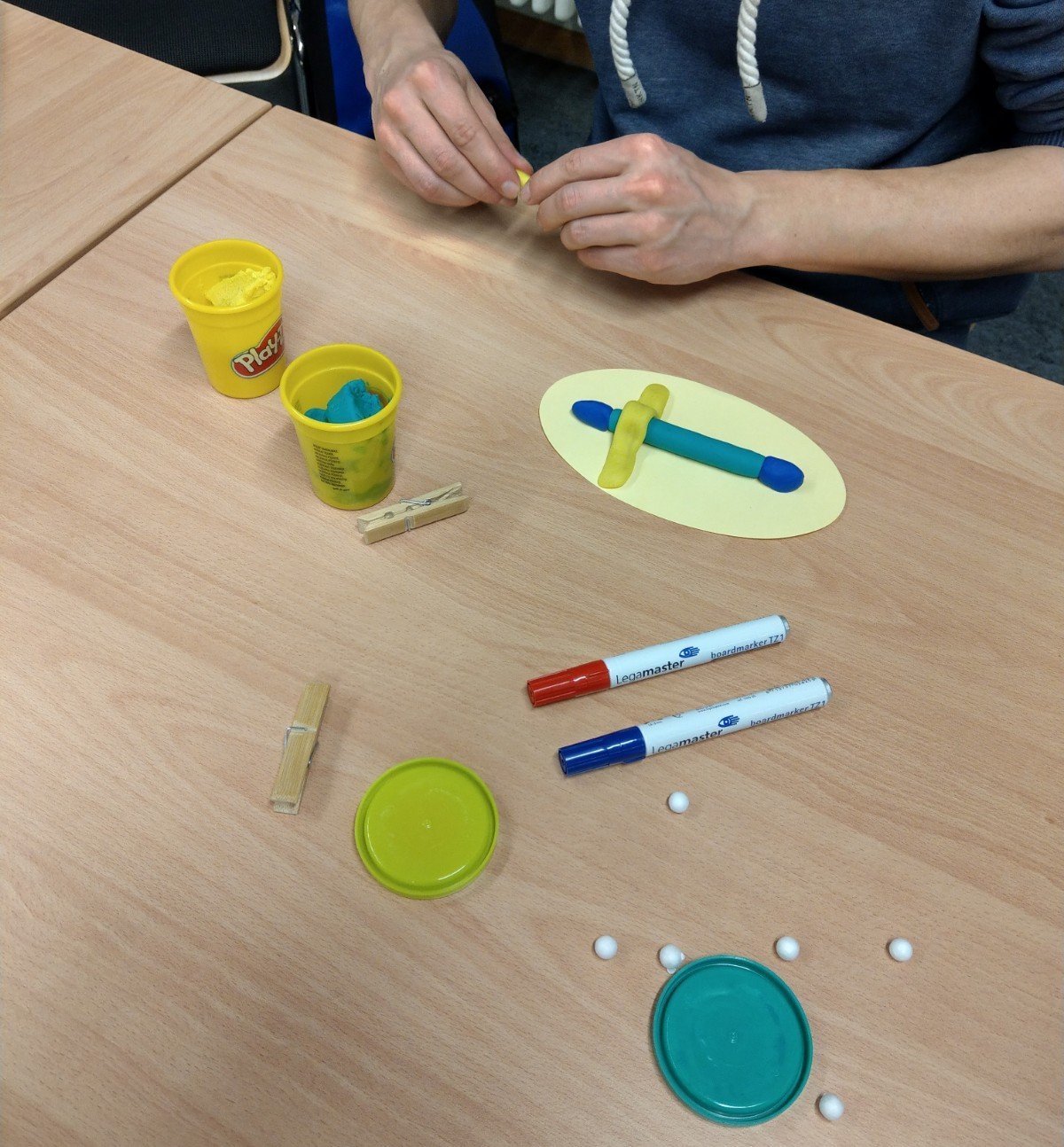
As an active part, we make a prototype for our research project or new ideas from all kinds of materials. Have you ever used modelling clay, balloons and straws to illustrate what you are researching? This helps tremendously to reduce complexity and visualise tricky issues.
We welcome the following speakers to the first Dr Stammtisch:
- Dr Tim Baldauf (Electrical Engineering): The computing technology of tomorrow? Reconfigurable transistors
- Anne Griebsch (Agriculture/Environment/Chemistry): Beans with potential?! Soya bean research under continental site conditions
We are also filling in an inventory of expectations. What do you expect from a format like the Dr Stammtisch? The most important thing for you is to get to know each other personally and professionally and to take the first steps towards networking. But it's also about finding out more about programmes at HTW Dresden and funding opportunities.
Finally, we look at when and how often the Dr Stammtisch should take place. The result is that an interval of 2-3 months seems to be best for you. So in future, the Dr Stammtisch will be held every Tuesday from 4pm to 7pm.