

Departments / fields of study
The development concept of the Faculty of Electrical Engineering provides for a structuring into three departments. These result from the current development trends in the field of electrical engineering and information technology and serve to better bundle activities in teaching, research and transfer.
The boundaries between the various fields of activity are mostly fluid and the increasing spread of applications has led to further specialisations. The demands placed on Electrical Engineering engineers are also undergoing major changes. Their future tasks are increasingly shifting from pure product development and design to project planning, implementation and integration of complex hardware and software systems. As a result, engineers are increasingly expected to have non-technical skills - from methodological and language skills to leadership qualities at management level. Universities of Applied Sciences are constantly endeavouring to meet these new challenges by adapting their courses accordingly.
Information and Electronics
- Mobile radio / Radio systems / 5G
- Mobile data transmission / Internet of Things
- Information and communication networks
- Micro- and nanoelectronics / Integrated Circuit
- Mixed-signal circuit design / Micro-electro-mechanical systems
- Assistance systems / Virtual reality
- Multimedia systems
- Signal processing (image, audio, data)
Field of study
The Information and Electronics specialisation focuses on information processing using electronics. It focuses on the development and application of circuits for network technology, audio and video processing and communication.
The system-oriented training with a close link between hardware and software also includes the use of modelling and simulation tools. Modern laboratories with the latest communication solutions and hardware components are available for this purpose. Close contact with industrial partners ensures a high level of practical relevance in teaching.
| Chair | Owner |
|---|---|
| Digital Circuits and System Design | <a href="https://www.htw-dresden.de/hochschule/fakultaeten/elektrotechnik/personen/professoren/prof-jens-schoenherr">Prof. Jens Schönherr</a> |
| Electromagnetic Compatibility | <a href="https://www.htw-dresden.de/hochschule/fakultaeten/elektrotechnik/personen/professoren/prof-ole-hirsch">Prof. Ole Hirsch</a> |
| Communication Technology / Radio Systems | <a href="https://www.htw-dresden.de/hochschule/fakultaeten/elektrotechnik/personen/professoren/prof-ralf-collmann">Prof. Ralf Collmann</a> |
| Design and Technology of Electrical Engineering, Electronics and Mechatronics | <a href="https://www.htw-dresden.de/hochschule/fakultaeten/elektrotechnik/personen/professoren/prof-marc-peter-schmidt">Prof. Marc-Peter Schmidt</a> |
| Measurement Technology / Optical Signal Transmission | <a href="https://www.htw-dresden.de/hochschule/fakultaeten/elektrotechnik/personen/professoren/prof-matthias-henker">Prof. Matthias Henker</a> |
| Microsystems Engineering / Mixed-Signal Design | <a href="https://www.htw-dresden.de/hochschule/fakultaeten/elektrotechnik/personen/professoren/prof-kay-uwe-giering">Prof. Kay-Uwe Giering</a> |
| Communications Engineering | <a href="https://www.htw-dresden.de/hochschule/fakultaeten/elektrotechnik/personen/professoren/prof-kristina-kelber">Prof. Kristina Kelber</a> |
| Signal Processing / Electronic Measurement Technology | <a href="https://www.htw-dresden.de/hochschule/fakultaeten/elektrotechnik/personen/professoren/prof-ralf-boden">Prof. Ralf Boden</a> |
| Telecommunications Engineering | <a href="https://www.htw-dresden.de/hochschule/fakultaeten/elektrotechnik/personen/professoren/prof-sven-zeisberg">Prof. Sven Zeisberg</a> |
| Theoretical Electrical Engineering / Optoelectronics | <a href="https://www.htw-dresden.de/hochschule/fakultaeten/elektrotechnik/personen/professoren/prof-tim-baldauf">Prof. Tim Baldauf</a> |
| Communication Networks and Cyber Security | <a href="https://www.htw-dresden.de/hochschule/fakultaeten/elektrotechnik/personen/professoren/prof-julia-engelbrecht">Prof. Julia Engelbrecht</a> |
Energy and Drives
- Electrical energy systems
- Intelligent power grids / smart grids
- Renewable energy supply and storage / sector coupling
- High-voltage and high-current technology
- Electric drive technology
- Electromobility
- Power electronics
Field of study
Due to the extensive use of electrical energy in a modern industrial society, graduates of the "Energy and Drives" degree programme are offered a wide range of fields of application throughout the economy:
- in electrical power generation and distribution companies
- in the plant, equipment, Mechanical Engineering and vehicle industries
- in traffic and transport companies
- in the field of electric railways for local and long-distance transport
- in medium-sized industrial and craft businesses
- in a large number of service companies.
They are therefore well equipped for a successful career in the planning, development, production, commissioning and maintenance of electrical power and communication systems as well as in transport facilities. The ongoing adaptation of the curricula to current developments in the respective specialist area ensures that you have good opportunities on the labour market.
Flyer
| Chair | Owner |
|---|---|
| Electrical Power Supply | <a href="https://www.htw-dresden.de/hochschule/fakultaeten/elektrotechnik/personen/professoren/prof-gerd-valtin">Prof. Gerd Valtin</a> |
| Vehicle Electronics / Electromobility | <a href="https://www.htw-dresden.de/hochschule/fakultaeten/elektrotechnik/personen/professoren/prof-stephan-zipser">Prof. Stephan Zipser</a> |
| Fundamentals of Electrical Engineering / Electrical Drive Systems | <a href="https://www.htw-dresden.de/hochschule/fakultaeten/elektrotechnik/personen/professoren/prof-thomas-schuhmann">Prof. Thomas Schuhmann</a> |
| Power Electronics / Regenerative Energies | <a href="https://www.htw-dresden.de/hochschule/fakultaeten/elektrotechnik/personen/professoren/prof-lutz-goehler">Prof. Lutz Göhler</a> |
| Regenerative Electrical Energy Systems / Energy Storage | <a href="https://www.htw-dresden.de/hochschule/fakultaeten/elektrotechnik/personen/professoren/prof-joerg-meyer">Prof. Jörg Meyer</a> |
| Switchgear technology | <a href="https://www.htw-dresden.de/hochschule/fakultaeten/elektrotechnik/personen/professoren/prof-ralf-dieter-rogler">Prof. Ralf-Dieter Rogler</a> |
Automation and Mechatronics
- Manufacturing, process and building automation
- Mobile industrial and assistance robotics
- Machine data analysis and machine learning
- Image data processing and localisation methods
- Virtual reality
- Cyberphysical systems
- Mechatronic systems
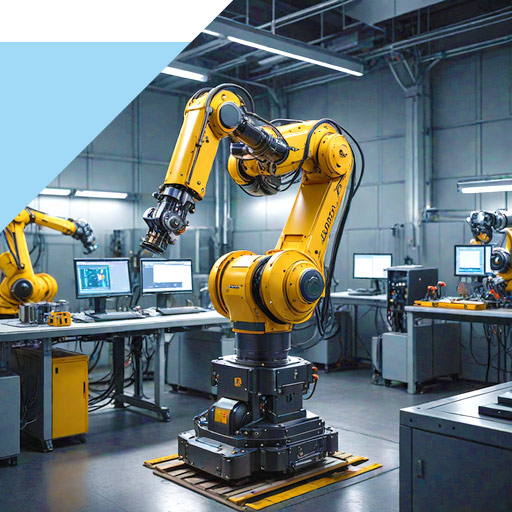
Field of study
The "Automation and Mechatronics" course teaches the systematic path from the initial idea to the realisation of an automated (i.e. self-operating) device or system. The integration of sensors, the programming of microcomputers and the control of drive systems are taught and practised in small projects. Fields of work arise in the following areas:
- Robotics and Industry 4.0
- Energy and the environment
- Biotechnology and pharmaceuticals
- Process & production engineering
- Transport and electromobility
- Building automation and smart home
- Consumer goods production
Automation supports vehicles, machines and technical systems so that they work independently, reliably, safely and with high precision. Computers control the interaction of mechanical parts and electronic components (mechatronic system). Important applications include robots, household appliances, electric vehicles, automated production facilities and much more. Automation and mechatronics have become an integral part of almost all areas of daily life, industry and energy and supply technology. They provide the basis for the digitalisation of production (Industry 4.0). Automation and mechatronics realise the interface between the Internet and the real world (cyber-physical systems).
| Chair | Owner |
|---|---|
| Plant, Product and Building Automation | <a href="https://www.htw-dresden.de/hochschule/fakultaeten/elektrotechnik/personen/professoren/prof-matthias-franke">Prof. Matthias Franke</a> |
| Industrial Control Technology | <a href="https://www.htw-dresden.de/hochschule/fakultaeten/elektrotechnik/personen/professoren/prof-tom-dimter">Prof. Tom Dimter</a> |
| Mechatronic Systems | <a href="https://www.htw-dresden.de/hochschule/fakultaeten/elektrotechnik/personen/professoren/prof-tobias-zaiczek">Prof. Tobias Zaiczek</a> |
| Process Measurement Technology | <a href="https://www.htw-dresden.de/hochschule/fakultaeten/elektrotechnik/personen/professoren/prof-hans-dieter-seelig">Prof. Hans-Dieter Seelig</a> |
| Control Engineering | <a href="https://www.htw-dresden.de/hochschule/fakultaeten/elektrotechnik/personen/professoren/prof-thomas-bindel">Prof. Thomas Bindel</a> |
| Signal Processing / Electronic Measurement Technology | <a href="https://www.htw-dresden.de/hochschule/fakultaeten/elektrotechnik/personen/professoren/prof-ralf-boden">Prof. Ralf Boden</a> |