-
Merry Christmas and a Happy New Year 2022
21.12.2021We would like to thank all our students, partners from education, research, politics and business and culture for the good cooperation. We are looking forward to new projects in 2021. Furthermore we wish relaxed christmas holidays and a good start into the new year. From 04 January 2022 we will be available for consultations again.

-
Christmas greetings from the university board
20.12.2021The Rectorate of HTW Dresden wishes all members of the university a Merry Christmas and all the best and health for the year 2022.

-
Double Degree Programme in Management mittelständischer Unternehmen with the Université Paris Nanterre in France
12.11.2021The study in Paris is part of the programme and offers you not only the opportunity to experience an extraordinary city and to study at a renowned university, but also the chance to acquire additional qualifications and to develop an international mindset. After the successful completion of the studies, you will obtain two equivalent degrees without extending the standard period of study. For more information about programme structure, access requirements and application: https://www.htw-dresden.de/en/university/facultys/business-administration/studies/double-degree-programmes/paris All Double Degree Programmes of the Faculty of Business Administration: https://www.htw-dresden.de/en/university/facultys/business-administration/studies/double-degree-programmes
-
With drive and international aspirations
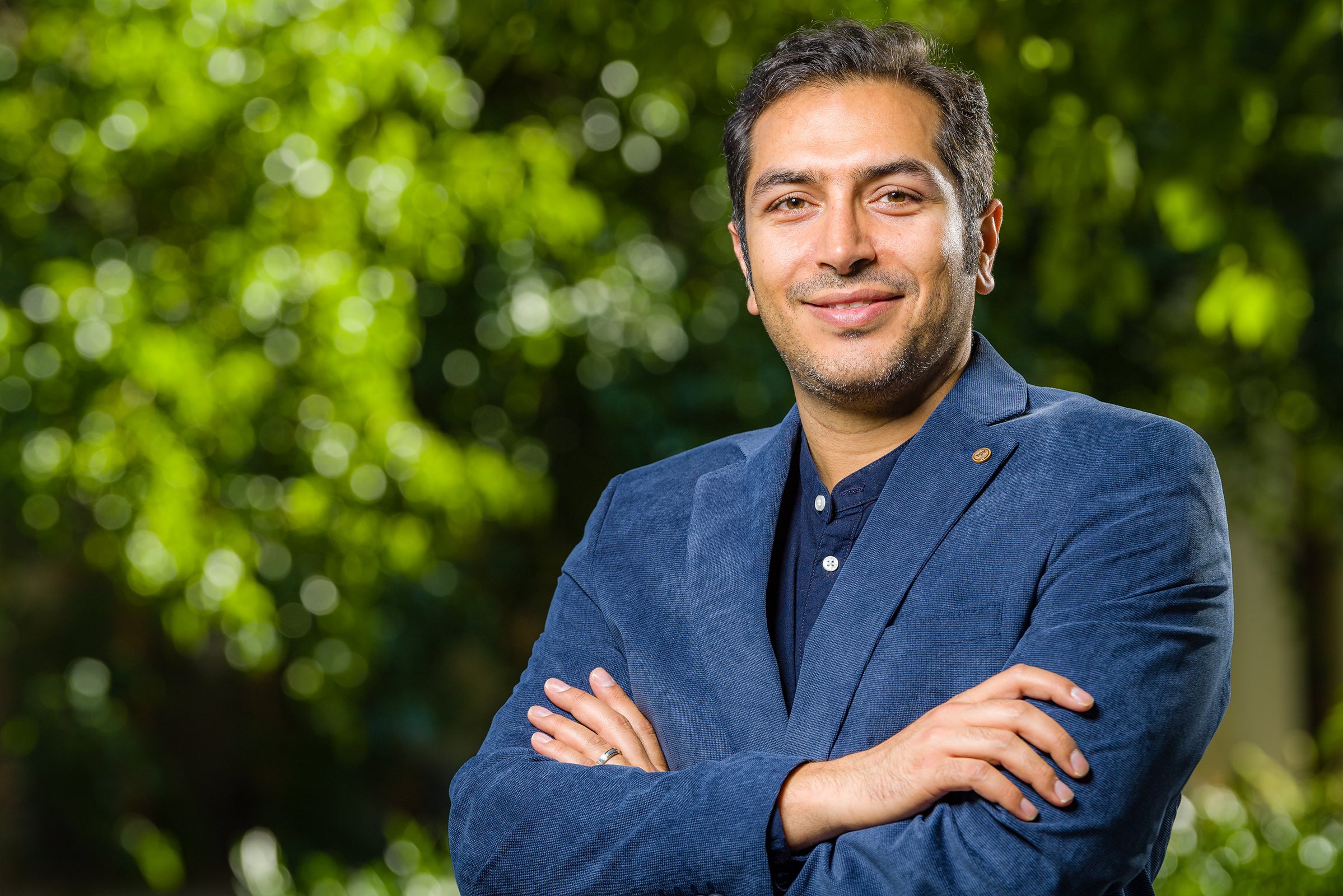
04.11.2021Since September, Dr. Fouad Bahrpeyma is part of the research team around Artificial Intelligence and Cognitive Production Systems at the Faculty of Computer Science/Mathematics at HTW Dresden. As part of the postdoc program, the scientist will expand his expertise in research and teaching in the coming years to prepare for a future career in higher education. He will be supported by his mentor Professor Dirk Reichelt. Mr. Bahrpeyma, what topics and tasks will you be working on as a postdoc at HTW Dresden over the next few years? As a postdoc at the Faculty of Computer Science/Mathematics, I am responsible for research in the area of cognitive production systems. Here, I will try to raise more funds and start new projects. Furthermore, I support students (as well as MSc and PhD students) in developing their academic-scientific skills and writing publications and scientific papers. Special focus in my work will be on developing advanced intelligent systems for automation, where heterogeneous components and data sources are monitored and controlled in an autonomous way within a unified architecture. An example of such systems is a production line with a variety of machines presenting different functionalities and capabilities. My task would be to develop an autonomous production system which is able to automatically reconfigure itself for producing a new product for an optimal production process. Another example would be the self-recovery property, e.g. when any parts of the production line stop working due to any reasons, then the production system will be able to change the path, reconfigure itself and assemble a new production procedure. What did you do before you started working at HTW Dresden? Before I started as a postdoc at HTW Dresden, I was already a postdoc at the Insight Centre for Data Analytics at Dublin City University in Ireland. There, my main area of expertise was Artificial Intelligence with a particular focus on intelligent self-organizing and self-adaptive systems. My interest in this started in 2012 when I was working on my Master's thesis. In order to develop a self-organizing resource provisioning framework for large-scale cloud systems, I needed to explore different concepts from Artificial Intelligence and adaptive control. I then turned to time series analysis during my PhD at Dublin City University. How did you get involved with the university? I came across the advertisement for the postdoctoral position in Prof. Reichelt's project on LinkedIn. Before that, I had already become aware of the fascinating activities in the IOT test lab and Professor Reichelt's ambitious research projects. What do you hope to achieve as a postdoc? My goal is to use the latest developments in IOT technology to further expand my and HTW Dresden's research in the field of intelligent systems and to develop high-performance, cognitive production systems. Of course, I would also like to get more involved in teaching and expand my teaching skills. Here I have already received a lot of support from Professor Reichelt, my team members and faculty colleagues. For me personally, I hope to expand my academic skills to be able to work as a professor at a German university in the future. Furthermore, during my postdoctoral qualification I would like to expand my professional network in the academic and industrial field throughout Germany and internationally. It is desirable that this will enable me to present the potentials and competencies of HTW Dresden to a more diverse audience. Is there anything you would like to achieve here? HTW Dresden offers great potential - especially in the field of IOT research. I would like to use the existing capacities to further integrate cognitive science and artificial intelligence into intelligent production systems. My goal is to establish a broader range of topics and thus realize international and industry-based collaborations. We wish you a successful time at HTW Dresden! The Postdoc Program at HTW Dresden With the Postdoc Program, HTW Dresden supports highly talented young scientists who have completed their doctorate. The goal is to attract them to research and teaching and to qualify them for a professorship or permanent scientific position at a university of applied sciences (HAW). Within five years, postdocs go through two qualification phases that include aspects of teaching and research as well as personal development. Successful graduates receive the "HAW-Postdocplus" certificate. Currently, there are five postdocs at HTW Dresden.
-
Global Study Program (GSP) 2021 Mobility Concepts of the Future goes online
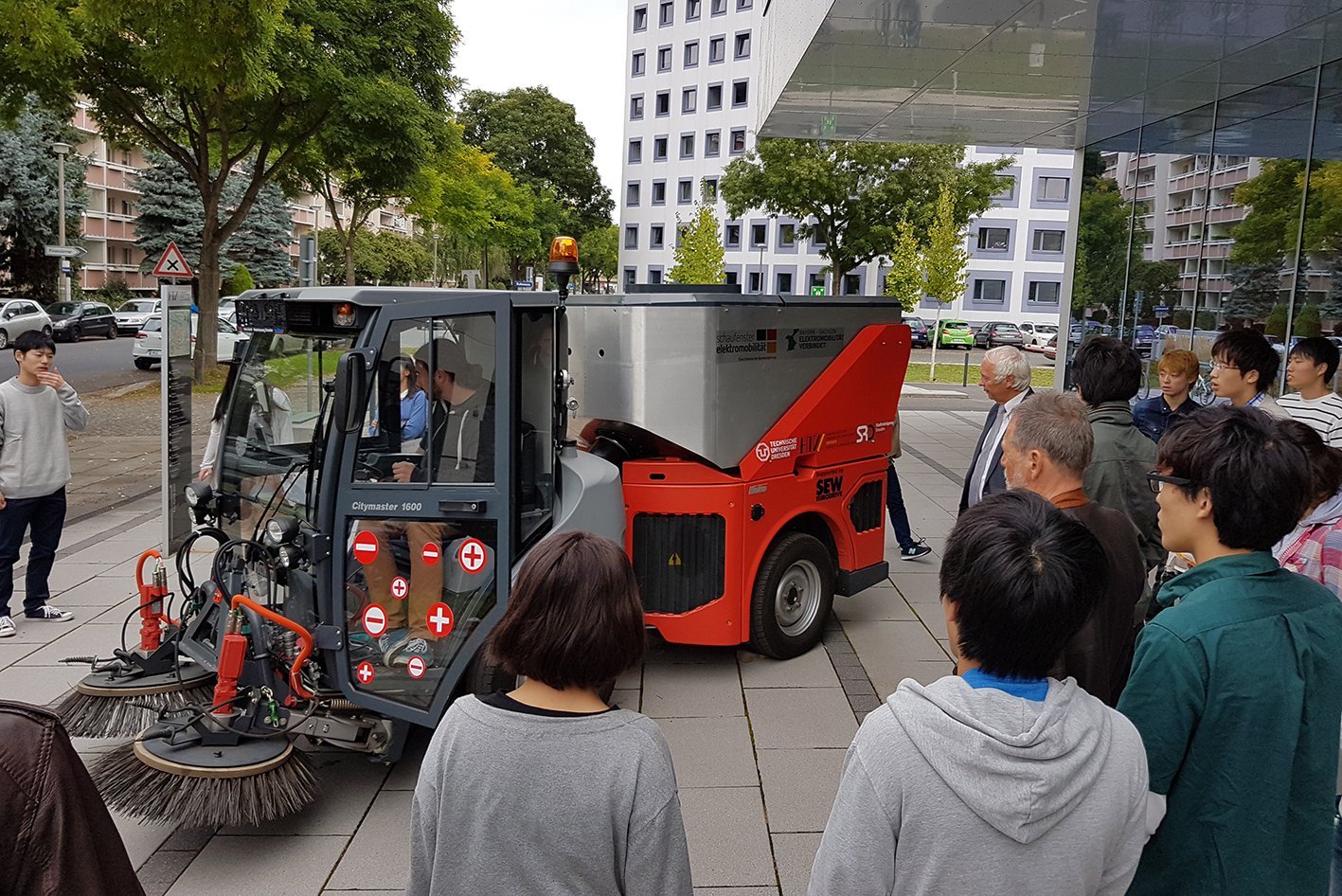
29.10.2021Together with Chiba University Japan, HTW Dresden is organising the Global Study Program (GSP) again this year. Due to the corona pandemic, for the first time as an online event series: The module M952 "Mobility Concepts of the Future" is open to all students of HTW Dresden and starts on 02 November with a kick-off event. Anyone who is interested in important technical questions of future mobility as well as transport policy and planning and who would also like to take advantage of the opportunity to experience a highly interesting exchange with students and lecturers from Japan in terms of content and culture, is cordially invited to take part in the varied programme within the module. In the winter semester 2021/22, students from both universities will work together in interdisciplinary and multicultural teams on the above-mentioned topic. In addition to interesting insights into the subject area, the varied programme offers the opportunity to apply and develop personal skills in an intercultural context. Within the framework of the Studium Integrale, 4 ECTS points can be achieved. Lecturers and speakers from industry, who examine the topics from different perspectives, round off the programme. In addition to Prof. Trautmann (HTW Dresden), the city of Dresden, Nils Larsen from the ADFC Dresden and others will report on current developments on the topic. The exact schedule and further information on the programme and registration can be found on OPAL: https://bildungsportal.sachsen.de/opal/auth/RepositoryEntry/10753146881/CourseNode/99815305389663 . Prof. Himmer will be happy to answer any questions. Global Study Program The Global Study Program is a study programme between Chiba University in Japan and HTW Dresden, in which students from both universities work together on projects on changing topics in an intensive programme. In 2021, it will take place in the form of a virtual course. Next year, the GSP will again take place in the presence of students from Chiba University at HTW Dresden in a 2-week intensive course. The program will be held online, using the video conference system BigBlueButton. Registration and further information: https://bildungsportal.sachsen.de/opal/auth/RepositoryEntry/10753146881/CourseNode/99815305389663
-
DAAD Prize for Saddam Ali Khokhar
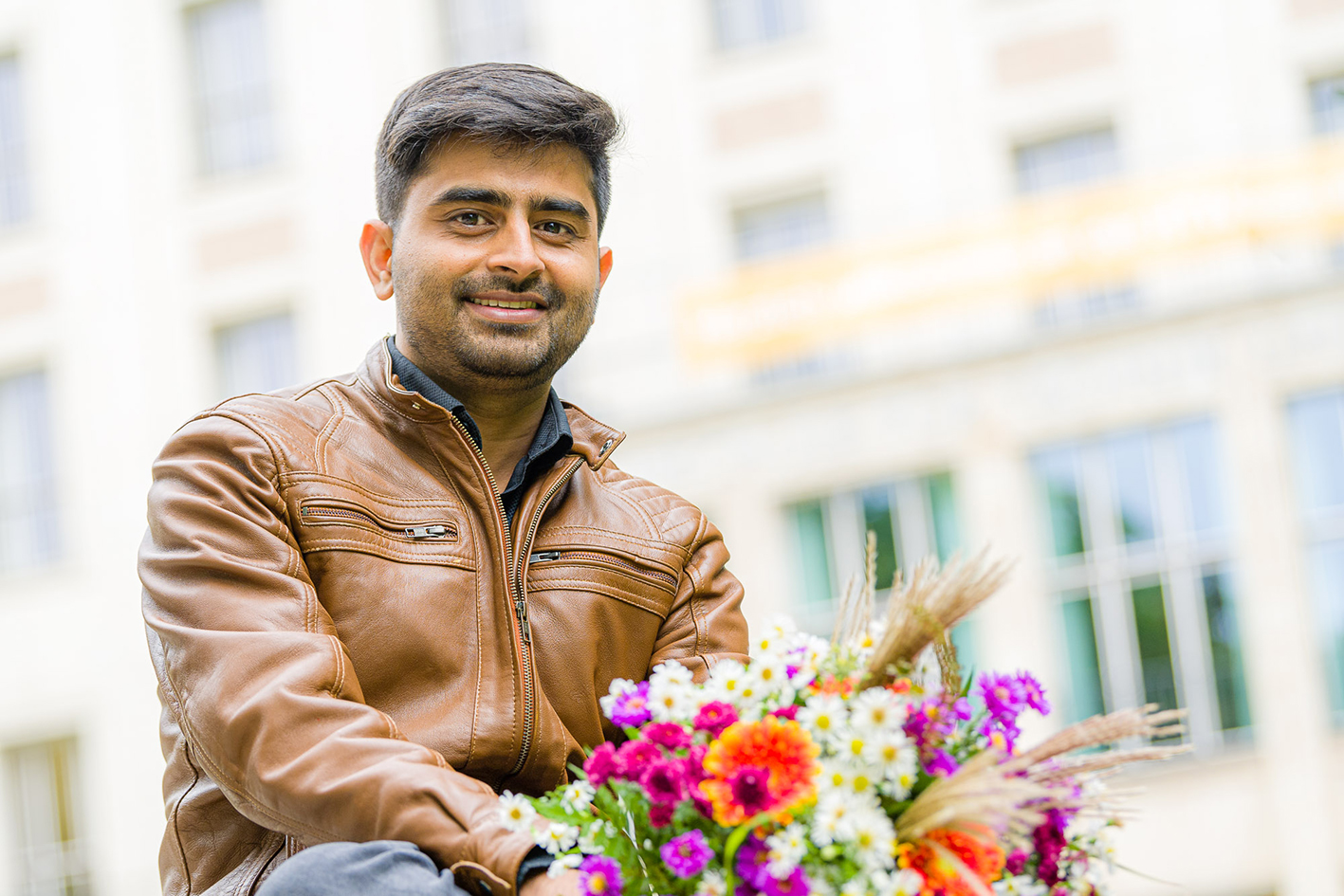
08.10.2021Saddam Ali Khokhar was born on 4 December 1992 in Sarghoda (Pakistan). He studied Engineering Geology -Geological Engineering at the University of Engineering and Technology Lahore and graduated with a Bachelor of Science degree in 2014. Since 2018, the civil engineer has been studying Environmental Engineering at HTW Dresden. In the short time he has been in Germany, he has learned the German language very well and is now able to communicate technically in German. His performance during his studies was very good in most modules. With a grade point average of 1.6, he ranked first in his year. In June of this year, he successfully defended his Master's thesis with the topic "Impact of Solar Panels on Soil Moisture". In it, he investigated the impact of solar panels on soil moisture. In addition to his excellent academic performance, he also played a crucial role within the study group. With great patience, he helped his fellow students with difficult tasks. "Due to his very good academic performance, his helpfulness and determination throughout his studies and especially when working on his Master's thesis, Mr. Saddam Ali Khokhar is very deserving of the award," the jury's statement said. The award was presented at the HTW Dresden matriculation ceremony on 4 October 2021. After completing his studies, Saddam Ali Khokhar would like to do a doctorate in Dresden. Über den DAAD-Preis The DAAD Prize, worth 1,000 euros, is awarded to foreign students who are completing their studies in Germany and who stand out for their outstanding academic achievements and remarkable social commitment, as well as for building bridges between countries.
-
How to meet future water needs
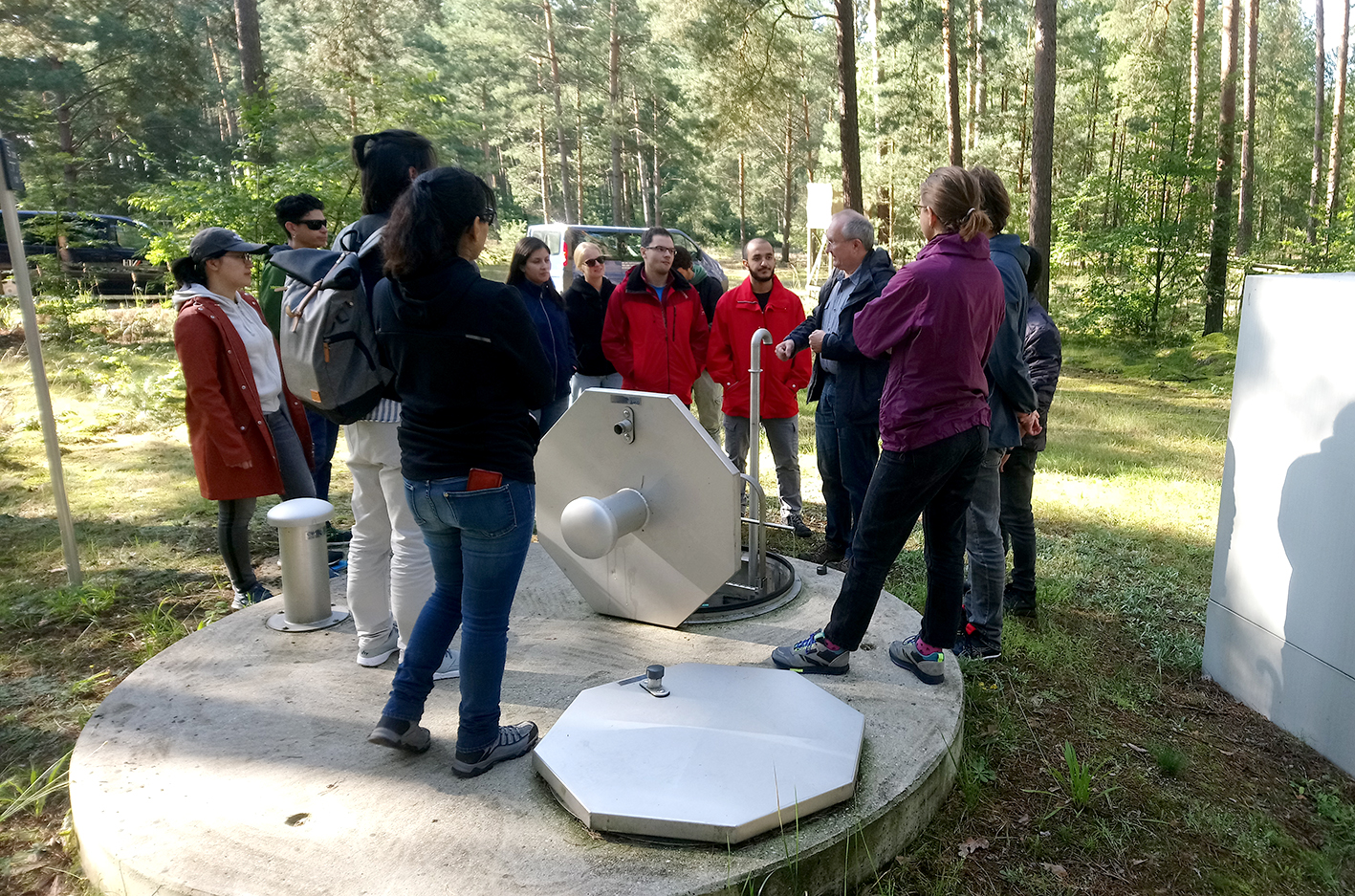
21.09.2021This year's Managed Aquifer Recharge International Summer School (MARISS) was attended by Master's students, PhD students, post-docs and young academics from 15 countries. The event was hybrid: in addition to the 13 participants on site in Dresden, 13 others took part online. Due to climate change, prolonged dry periods are becoming more frequent, affecting the recharge of groundwater. In addition to demand management, groundwater recharge is an important measure to meet water demand and ensure water quality. Managed aquifer recharge (MAR), also known as groundwater recharge, water banking or artificial recharge, is the deliberate injection of water into aquifers for later recovery. This includes methods such as bank filtration, streambed weirs, infiltration ponds and injection wells. Natural water sources, appropriately treated urban rainwater or wastewater are used. The two-week summer school included courses on various groundwater treatment methods, such as Managed Aquifer Recharge (MAR) techniques, hydraulic and hydrogeochemical aspects, siting and design of bank filtration catchments, web-based numerical modelling, removal of microorganisms and trace organics, laboratory experiments to simulate MAR processes, regulations and risk assessment. In two excursions, the participants visited the waterworks Sdier and Hosterwitz in Saxony. In addition, laboratory practicals took place at the Institute for Water Chemistry of the TU Dresden and at the HTW Dresden. The summer school was supported by lecturers from the Institute for Groundwater Management, INOWAS and the Institute for Water Chemistry at TU Dresden, among others. The international summer school is funded by the DAAD as part of the "HAW.international" project.
-
Winter semester at HTW Dresden: As much presence as possible
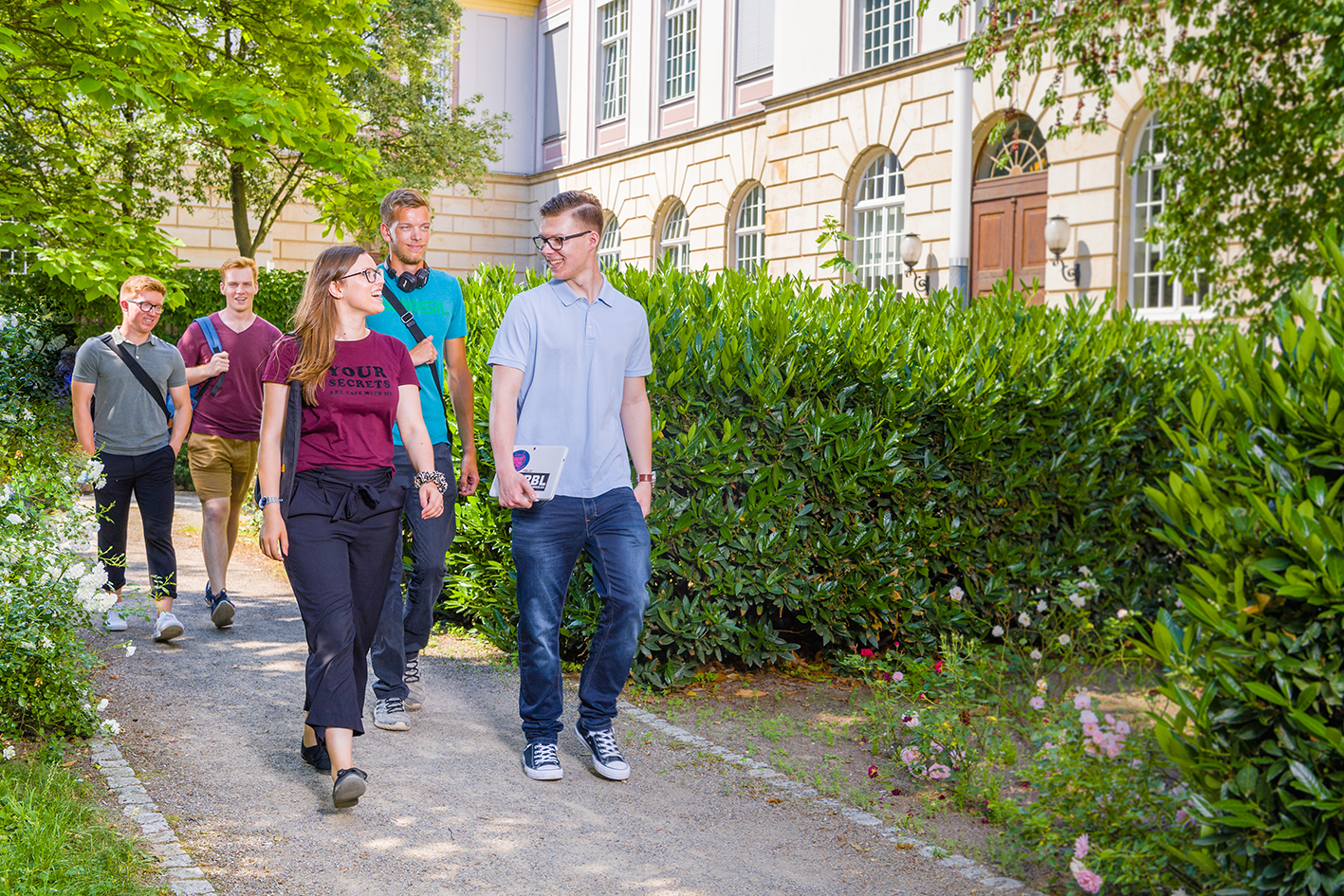
21.07.2021Currently, the university management expects to be able to implement a mix of online and face-to-face teaching in the upcoming winter semester 2021/2022. "We would like to offer as much face-to-face teaching as possible, if the pandemic situation allows. We are planning on at least 50 per cent face-to-face teaching," says Prof. Anne-Katrin Haubold, Prorector for Teaching and Learning. This applies in particular to smaller courses such as the practical exercises and internships. Large lectures will be held as online events. "Students can expect to be able to be regularly on campus at HTW Dresden again from the beginning of the semester," Prof. Anne-Katrin Haubold states. According to current regulations, the requirement for participation in classroom events is proof of absence of infection with SARS-CoV-2 (compulsory testing) or complete vaccination protection against SARS-CoV-2 or recovery from a SARS-CoV-2 infection. With regard to compulsory testing, qualified self-declaration is no longer expected to be sufficient. Instead, confirmation from an official testing centre will be required. The Prorector explains the plans and their implementation for the winter semester in the video (see below). A precondition for more presence and thus more life on campus again is a high vaccination rate of the university community. "A high level of vaccinated students will make it easier for us to return to attendance in the autumn," emphasises Prof. Haubold. In order to provide support to university members, vaccination campaigns for students and employees have already taken place at HTW Dresden in recent weeks. Preparations for welcoming the new students are taking place The university is currently preparing the Welcome Week for international students. This will take place from 4 to 8 October. Students will get the opportunity to get to know the university, their teachers and future fellow students by participating in many events. All current information is provided here at www.htw-dresden.de/en/ese The current plans assume a moderate incidence of infection with regard to Covid-19. As soon as new developments become apparent, the organisation of the winter semester will be adjusted. Information on this will be published regularly on the website https://www.htw-dresden.de/en/
-
Invitation to the International Workshop: Applied Computer and Geosciences in Archaeology
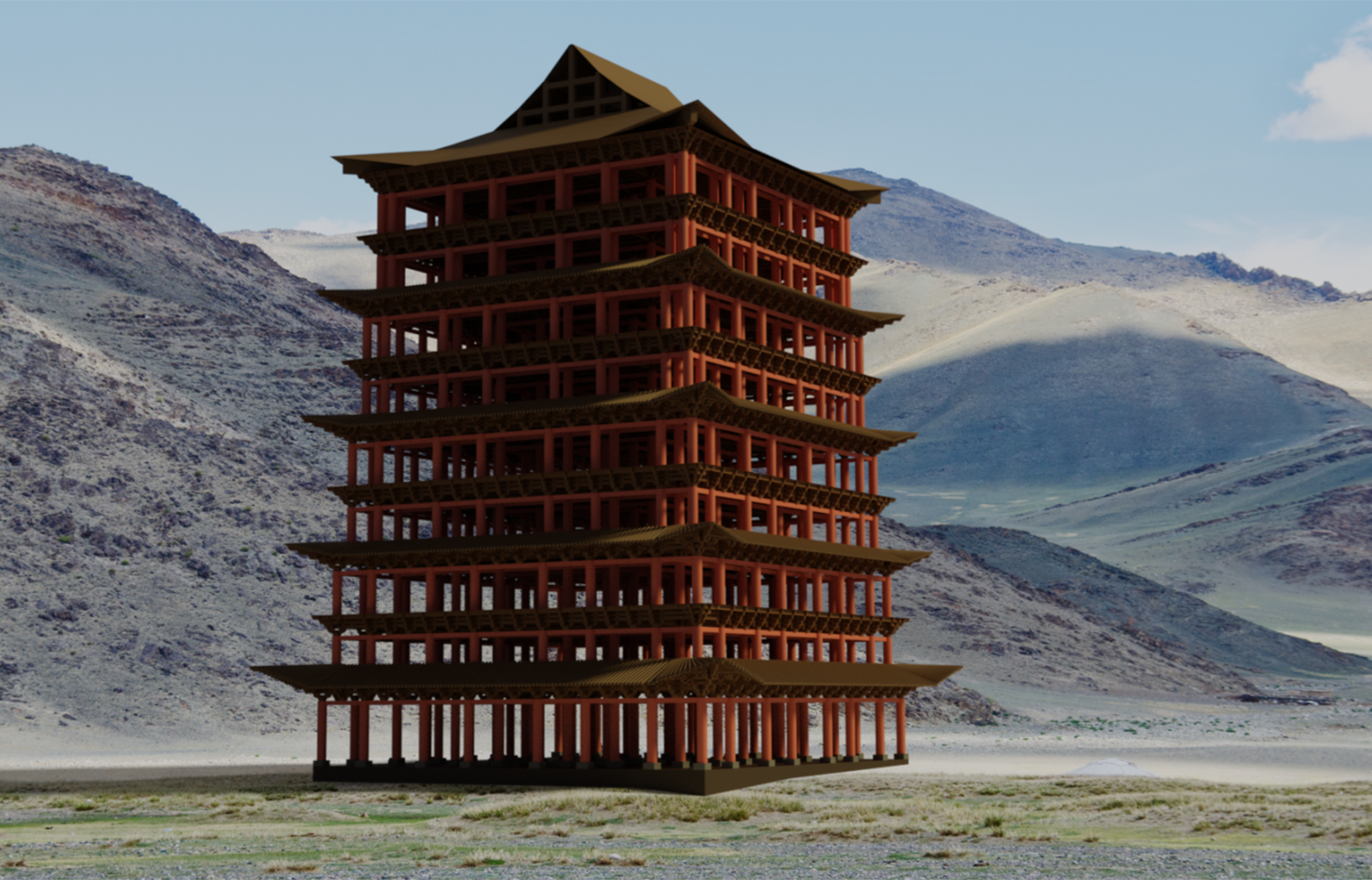
24.06.2021The programme is designed to meet the growing demand for technical expertise in the field of documentation, research, mediation and data management of archaeological cultural heritage. To this end, the outstanding technical and engineering expertise at the HTW, especially from the faculties of Computer Science/Mathematics and Spatial Information, shall be used to offer a degree programme tailored to the needs in archaeological disciplines and fields of work in cooperation with national and international partners. The project is funded in the framwork oft he Future.EAST internationalization programme oft he HTW by the DAAD (German Academic Exchange Service). In order to network the partner institutions more closely and to give interested students and instructors an insight into the topic, a workshop on applied Computer Science and Spatial Information in Archaeology will take place on Monday 05.07.2021 from 8:00 c.t. to approx. 12:30. After a general introduction by Dr. Benjamin Ducke (DAI), the participants will present various projects in this field from the participating universities and institutions. The presentations will take about 15 minutes each and will be held in english or german language. Anyone interested in taking part in the workshop can register for participation by sending an email to archaeo@informatik.htw-dresden.de
-
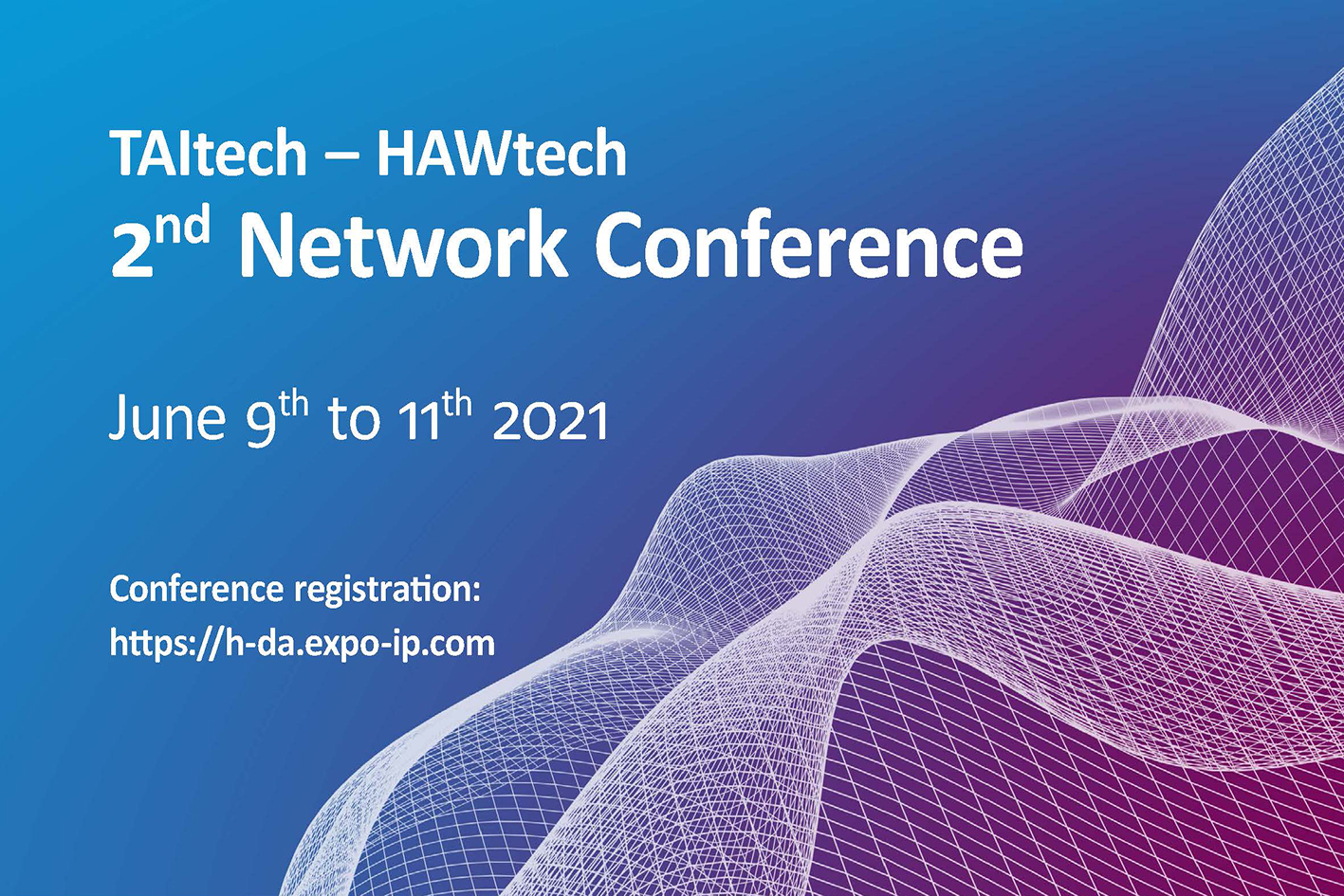
Networking conference with fair on exchange opportunities in Taiwan
03.06.2021On the first day of the conference, the university administrations and representatives of the International Offices of all member universities will meet to discuss the possibilities of further cooperation in the future. A highlight is the virtual fair and information events on 10 June from 8:00-11:00 and on 11 June from 8:00-10:30. The universities of the TAItech association will also present themselves at this fair: National Taipei University of Technolog, National Taiwan University of Science and Technology, National Chinyi Universit, National Yunlin University of Technolog, National Formosa University and the National Kaohsiung University of Technology. Students and employees will receive information about studying, teaching and further education as well as funding opportunities for a stay at the six Taiwanese partner universities. All universities will present themselves at virtual stands and offer personal consultations for those interested. The fair is aimed at students as well as staff and teachers. The conference language is English. You can register and participate via https://h-da.expo-ip.com/