-
Computer- and Geoscience in Archaeology
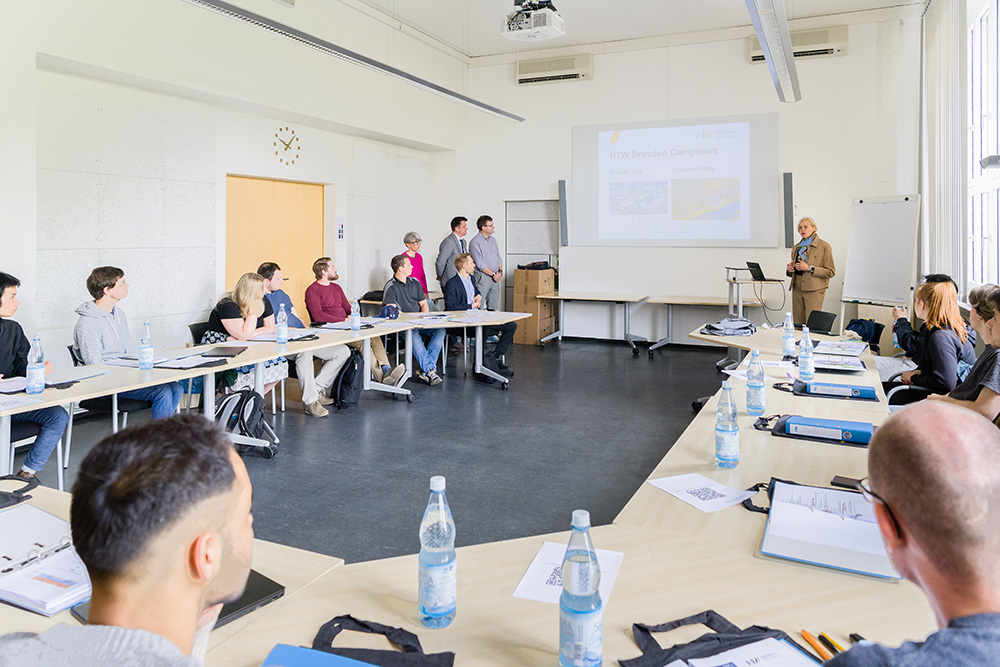
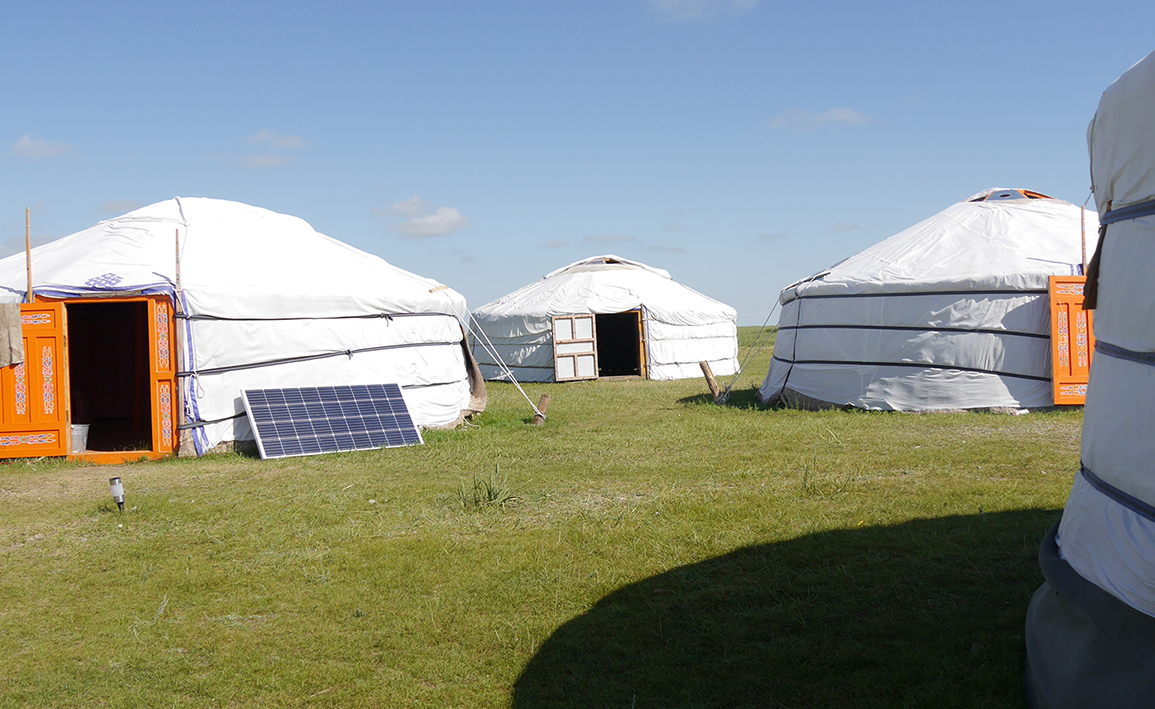
03.11.2022The participants of the excursion took part in the archaeological excavations and research of the Mongolian-German Archaeological Expedition in the Orkhon River Valley. During the excursion, the 10 participants worked on different projects at the interface between archaeology, informatics and remote sensing. The destination of the excursion was the Orkhon River Valley, at the foot of the Khangaj Mountains. The region is of particular historical and archaeological interest, as it has repeatedly been the cradle and centre of great nomadic empires over the last two and a half millennia, decisively shaping the history of Eurasia and the world. Because of this world-historical significance, the region is recognised as a UNESCO World Heritage Site. To this day, there are numerous, excellently preserved archaeological monuments from a wide variety of epochs, including the Palaeolithic, the Bronze and Iron Ages, the Hun Empire, the Old Turkic Empires, the Uyghur Empire, the Great Mongol Empire and the Manchurian Empire. Of particular interest are the two city ruins of the ancient Uyghur capital Karabalgasun and the capital of the Mongol Empire, Karakorum. Both sites have been explored for over 20 years by the Mongolian-German Expedition. Partners of this expedition are the Mongolian Academy of Sciences (MAW), the German Archaeological Institute (DAI) and the National University of Mongolia (NUM). HTW has been supporting the research and the presentation of the results since 2018 with its expertise in (media) computer science (Prof. Block-Berlitz) and geoinformation (Prof. Oczipka). Building on this cooperation, joint study programmes in Archaeoinformatics have been developed and offered between HTW and NUM since 2020 as part of the internationalisation project Future.EAST, funded by the DAAD (German Academic Exchange Service). This excursion - delayed by two years due to the Corona pandemic - within the framework of the project enabled all cooperation partners to get an impression of the great potential of cooperation. Both the Karakorum Museum and the National University of Mongolia emphasised their desire to continue and deepen the cooperation. Starting on November 5 th , Mongolian students will now be guests at HTW Dresden for two weeks. The new master degree "Computer- and Geoscience in Archaeology" An interdisciplinary team of researchers and teachers of the HTW Dresden (University of Applied Sciences) is currently developing a new master degree in the field of applied computer- and geosciences in archaeology. The curriculum is devoted to the application of information technology to contribute to solving the diverse challenges posed by task of researching, protecting, publishing and public utilization of the material cultural heritage of humanity. The master degree will be in English and is developed in cooperation with the National University of Mongolia and the German Archaeological Institute. Further information: https://www.htw-dresden.de/en/hochschule/fakultaeten/info-math/studium/computer-science-archaeology
-
The Land of Surprises - Study Trip to Georgia
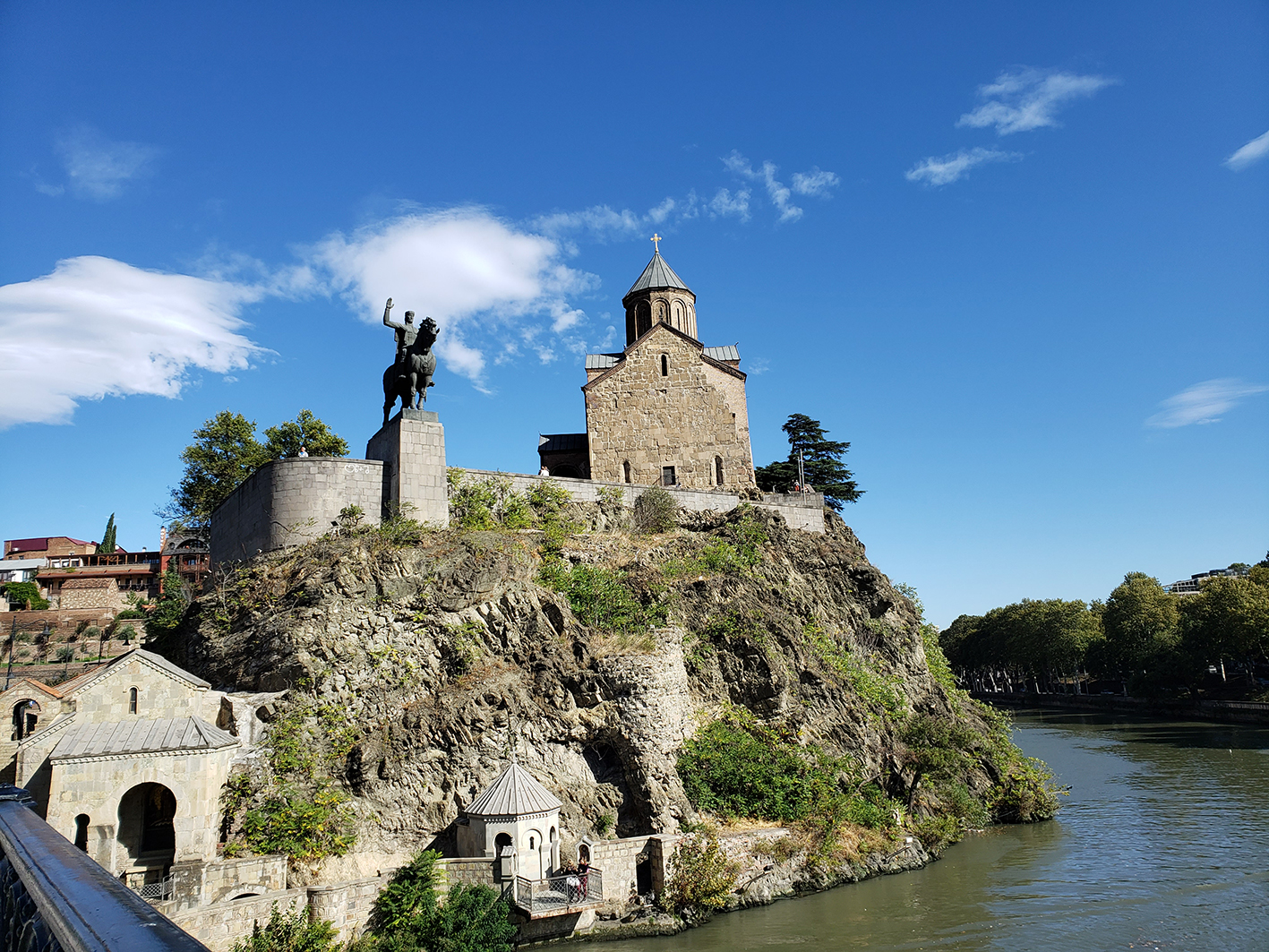
27.10.2022On their study trip, they visited the partner universities Georgian Technical University (GTU) and the International Black Sea University (IBSU) in Tbilisi. In addition to tours of the universities and many conversations with Georgian students, there was opportunity to explore the city and experience the culture of Georgia. A highlight of the trip was the visit to a Georgian family. In addition to courses on how to prepare traditional Georgian dishes, there was dancing, singing and music. The students experienced Georgian hospitality at a traditional dinner. Not only because of the great variety of dishes, but especially because of the warmth of the family and the IBSU lecturers who had organised this event. The study trip was funded by the DAAD's PROMOS travel programme. Further offers for study trips at HTW Dresden are published on the pages of the International Office: https://www.htw-dresden.de/en/international/going-abroad/study-trips
-
Lecture series "Social Dimensions of War"
17.10.2022The lecture series "Social Dimensions of War" begins on Tuesdays at 6:30 p.m. from 18 October. The lecture series directs attention to various dimensions of social life that are influenced by war situations. With contributions on War, Conflict and Communication - A Game-Theoretical Analysis of War and Peace. IT Security and Information Warfare German-Israeli security cooperation through the ages - strategic lessons learned Sociology and war - from warrior societies to the genesis of wars in modern times Organisation of medical aid and shelter The Future of War and Military Strategy Climate Change and War - Challenges for Security Policy Making Simulation applications for military logistics planning More information on the programme and speakers can be found on OPAL .
-
DAAD Prize for Santiago Cordoba Cleves
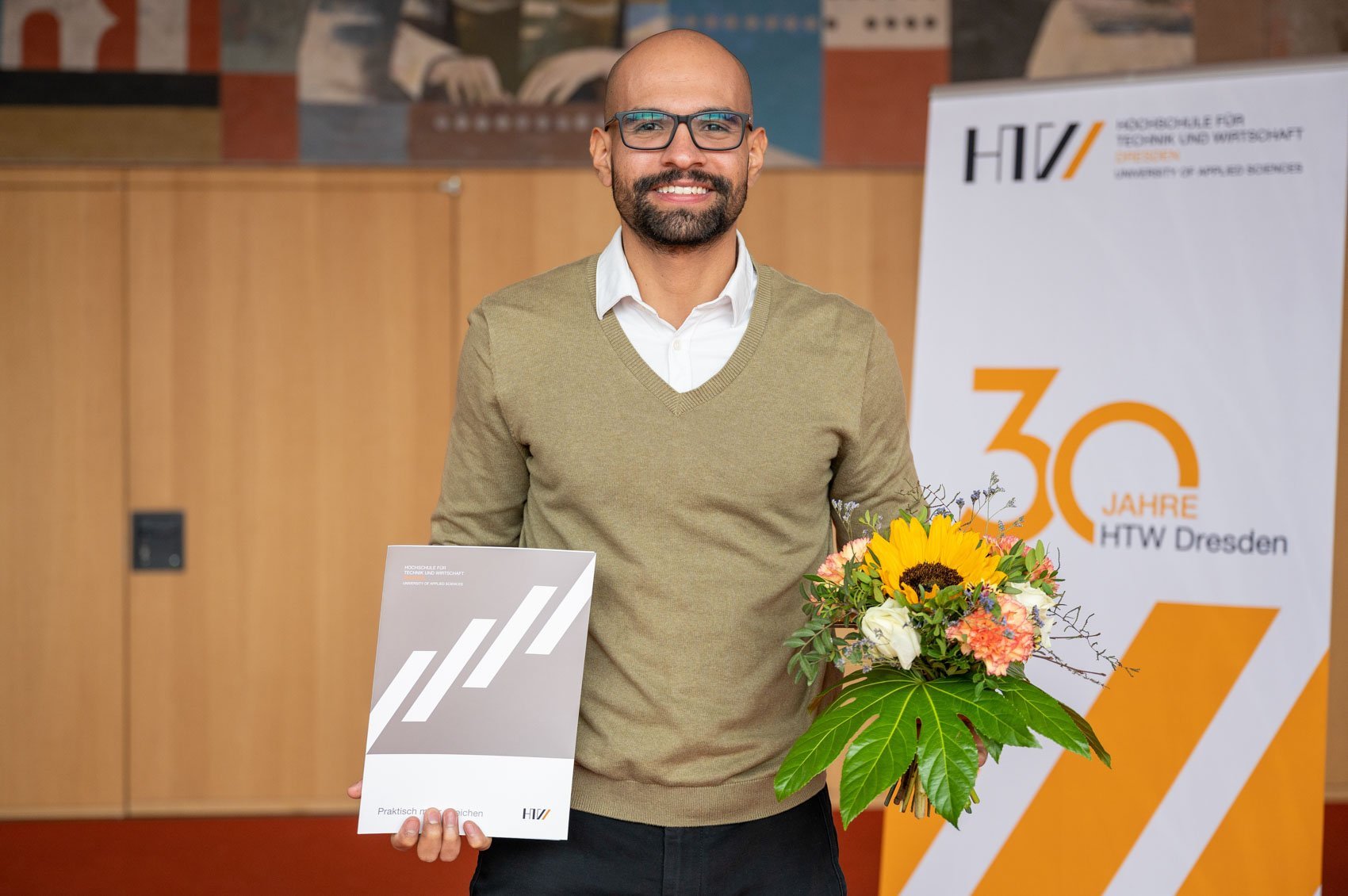
29.09.2022Santiago Cordoba Cleves comes from Colombia and studied Electrical Engineering at the Universidad Nacional de Colombia. After a ten-month voluntary service in England, Cordoba Cleves decided to start studying in Germany. He applied to the bilingual Electrical Engineering/Elektrotechnik degree programme at HTW Dresden, among others. "Dresden was the best of three options because the transition between English and German is very well structured here. When I arrived in Germany, I had no knowledge of German, so it was important to me to make a good transition," says the now 25-year-old. Cordoba Cleves has now entered his seventh semester and is about to graduate. He likes studying and living in Dresden: "At the university, there is direct contact between students and professors. I also like the size of the city." To finance his studies, he works as a student assistant at the Faculty of Electrical Engineering. Here, for example, he created virtual exercises for online teaching. In addition to his studies, Cordoba Cleves is also involved in the faculty's study committees, where he contributes to the further development of the international degree programme. Santiago Cordoba Cleves has another talent, by the way. He knows a large part of the infinite series of digits Pi: with 1684 digits, he broke the Colombian memory record on 21 September 2019, World Alzheimer's Day. With this, Cordoba Cleves says, he wants to raise awareness of this disease and show that it can be prevented through brain training. He doesn't yet know what exactly he wants to do after his studies, but he already has an idea: "I'm very interested in renewable energies and e-mobility and would like to do a Master's degree in this field or find a job where I can help do something about climate change." Due to his previous above-average academic achievements as well as his strong social engagement, Mr. Santiago Cordoba Cleves is a worthy recipient of the DAAD Award for outstanding international students," reads the jury's statement. The award was presented during the festive matriculation ceremony of HTW Dresden on 26 September. About the DAAD Prize The DAAD Prize, worth 1,000 euros, is awarded to foreign students who are completing their studies in Germany and who stand out for their exceptional academic achievements and remarkable social engagement, as well as for building bridges between countries. The prize has been awarded for more than ten years and is intended to help provide faces for the large numbers of international students at German universities and to connect them with stories. This highlights the fact that every single international student takes a piece of Germany back to their home country and leaves something of themselves in Germany - an enrichment for both sides.
-
96 Percent Recommendation for our studies
10.08.2022HTW Dresden is rated very highly on the internet rating portal studycheck.de: In the more than 300 evaluations for our diverse study programmes, HTW Dresden receives an average of four out of five stars. 96% of those who submitted an evaluation recommend HTW Dresden as a university. Felix: "Many opportunities that you just have to take advantage of", Cedric: "Wonderful time" or Tim: "The perfect mix" are just a few of the current voices. "We are very happy about all the positive feedback on the Studycheck platform. It is a good indicator that our students are very satisfied with their studies with us," says Prof. Anne-Katrin Haubold, Vice-Rector for Studies and Teaching at HTW Dresden. The studycheck.de platform is an independent evaluation platform for degree programmes. Students can report on their experiences at their university. Among other things, the study content, the teachers, the equipment and other criteria are evaluated, as well as how the university has dealt with the corona situation. Almost all degree programmes at HTW Dresden can be found on studycheck.de. You can still apply for most of them until 30 September.
-
Visiting scientist from Ukraine receives coveted Philipp Schwartz grant
29.07.2022Since April, guest researcher Prof. Dr. Dr. Olena Dobrovolska from our partner university Dnipropetrovsk State Agrarian University in Ukraine has been conducting research at the Faculty of Economics and Business Administration in the field of innovation management and the use of various business management instruments to strengthen the innovative capacity of companies. The scientist pays special attention to the marketing of innovations and thus to an essential success factor within innovation management. The results of this research contribute to the marketability of innovations and thus to the innovative capacity of companies. This research work is now being honoured and supported. The Ukrainian guest researcher will receive one of the coveted Philipp Schwartz Initiative scholarships for 18 months from August 2022. The Philipp Schwartz Initiative supports threatened scientists.
-
Georg Sprössig: "Nature is my laboratory".
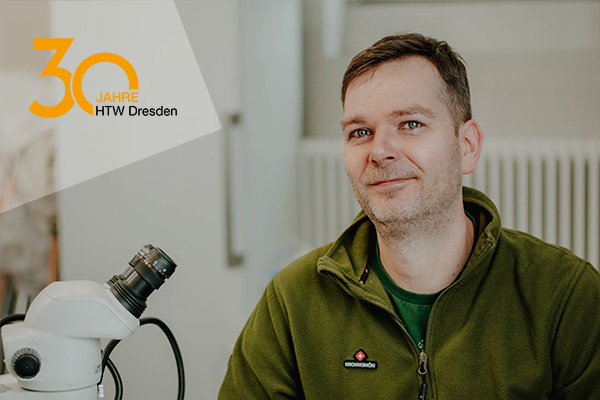
27.06.2022Georg Sprößig is a laboratory engineer in the Department of Environmental Monitoring and Landscape Development at the Faculty of Agriculture, Environment and Chemistry at the Pillnitz site. In addition to three laboratories, he supervises courses with a focus on vegetation, fauna and biotopes. His daily work also includes the management and maintenance of working equipment, which is mainly used for external research. This also includes two weather stations that provide important data for the scientific work. Most of his work takes place practically in nature anyway. Then, when he is not outside or teaching students, he maintains the content of the website as the chief editor of the faculty. What connects you to HTW Dresden? I studied at HTW Dresden myself. From 2004 to 2008, I studied in what was then the diploma programme in landscape management. After that, I took up a position as project coordinator in a research project on "Biodiversity Promotion in Rural Areas" at the university. After this project ended in summer 2010, a laboratory engineer position was just advertised in the newly structured degree programme "Environmental Monitoring". I've been here with pleasure ever since. What experience has had a particular impact on you? After more than 10 years here, some formative things have happened to me, so it's hard to pick out a single experience. I am always impressed when the interest in special offers clearly exceeds our expectations, such as at the Children's University, where 150 primary school children visited our campus in Pillnitz, or at the Long Night of Science, when suddenly over 200 people want to take part in a bat excursion. I always remember moments like that fondly. How would you describe the university in three words? diverse, lively, friendly What do you wish for the future of the university? Continuous development with a sense of perspective and thoughtfulness in the direction of even more subject diversity, the expansion of networks with the promotion of innovations and support for the people who work on them every day. Which place on campus is your favourite? The bench in front of the Alte Schmiede (PW building) is the nicest place for a coffee break for me. Further portraits are published on our anniversary page: www.htw-dresden.de/30jahre
-
UIIN Conference in Amsterdam: 13.-15.06.2022
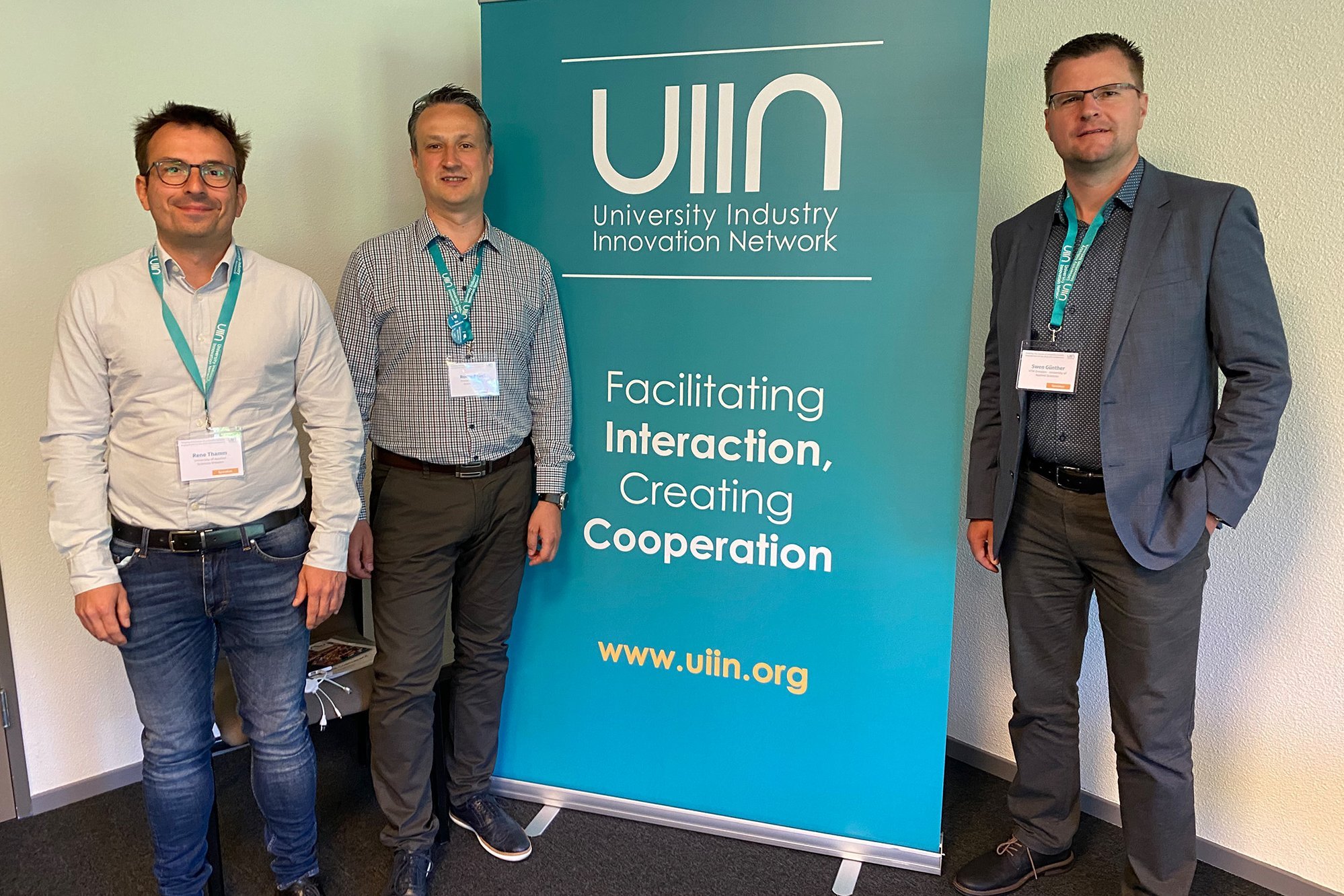
20.06.2022HTW Dresden was represented at this year's University-Industry Interaction Network (UIIN) Conference in Amsterdam with three presentations. In addition to Prof. Baierl and Prof. Thamm, who reported on higher education in the field of entrepreneurship and digitalisation, Prof. Günther presented key research results from the Transfer Indicator (Transfer_i) project. In addition, Ms. Popova, a research assistant, presented a separate lecture. In addition, Ms Popova, a research assistant, presented the TRIZ Reverse innovation method developed at the HTW Dresden in her own lecture. All presentations were followed by a number of interested questions and discussions. Background: The UIIN conference takes place once a year in a European capital and attracts several hundred participants from all over the world. The professional audience includes representatives from universities and research institutes as well as companies and (business) associations. The conference celebrated its 10th anniversary this year and is thus a firm pillar in the field of knowledge and technology transfer. More information: UIIN 2022 Website Contact: Prof. Dr. Swen Günther, swen.guenther@htw-dresden.de
-
"I want to convey enthusiasm for the field of electrical engineering."
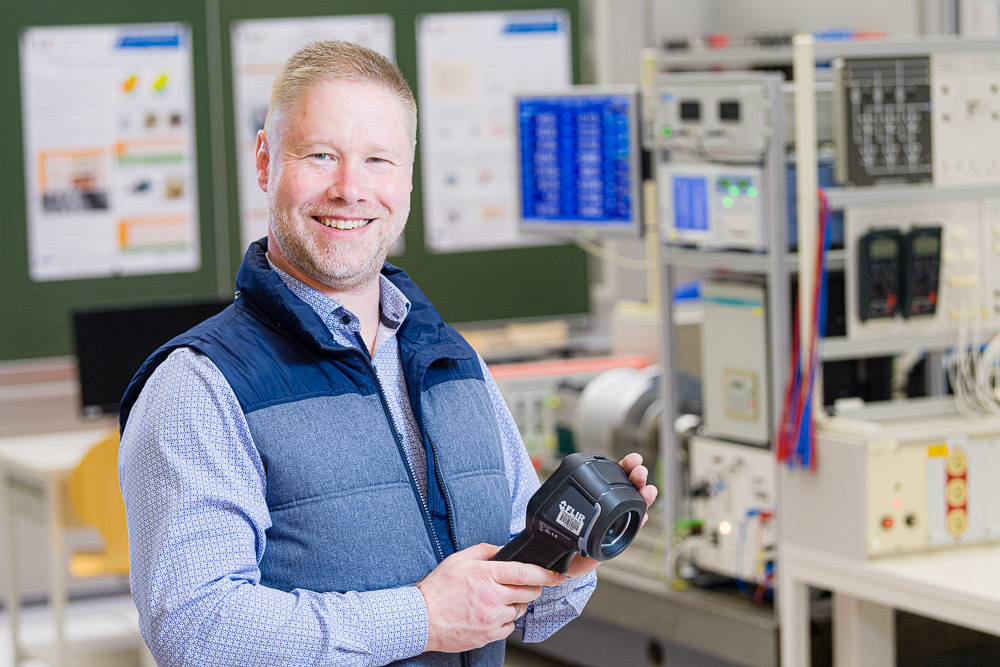
15.06.2022Since May, Dr. Sören Miersch has been part of the Electrical Machines and Drives research group at the Faculty of Electrical Engineering. As part of the postdoc program, the scientist will expand his expertise in research and teaching in the coming years to prepare for a future career in higher education. He will be supported by his mentor Professor Thomas Schuhmann. Mr. Miersch, what topics will you be working on as a postdoc in the coming years? Topics such as electromobility, regenerative energy generation and sustainability in terms of manufacturing and recycling are among the focal points of future development work in the field of electric drive systems. In this respect, I see great potential in the area of materials research. For example, the research group Electrical Machines and Drives at HTW Dresden, in cooperation with the Fraunhofer Institute for Ceramic Technologies and Systems IKTS, is investigating new types of insulating materials. Using these insulation materials, we have already been able to experimentally demonstrate increases in power density of up to 45%. Based on this excellent result, I intend to initiate several new research projects. Thus, the ability to obtain third-party funding and the reputation of the Faculty of Electrical Engineering and especially the research group Electrical Machines and Drives shall be strengthened. In addition to my research activities, I plan to introduce a new course on heating calculations and cooling methods for electrical engineering applications. I hope to generate interest with students in the higher semesters. I myself want to expand my experiences in the area of teaching. What did you do before your postdoctoral work at HTW Dresden? Before starting my electrical engineering studies at HTW Dresden, I completed a vocational training as an electrician. Afterwards, I worked at Robert Bosch Power Tools GmbH. I already decided to study at HTW Dresden during my vocational training and Bosch always provided me with great support during this phase of my life. For example, I was able to gain further experience as a working student during the practical semester and during the semester breaks and earn some extra money during my studies. Already during my master studies I started to work as a research assistant at the Faculty of Electrical Engineering, where I continued to do research after my graduation. I worked on several research projects on the topic of cooling electrical machines. Other focal points were the investigation of small wind turbines and high-speed drives, such as those increasingly used for axle drives in electric vehicles. The results of these projects formed the basis for my dissertation on the topic: "Increasing the utilization of permanent magnet excited external rotor machines by improving heat dissipation", which I defended at the TU Dresden at the end of 2021. How did you become a "scientist"? By not being able to fully answer burning questions - for example, about the thermal design of a small wind turbine generator - within the time frame of my thesis. However, within the framework of a research project, I had the opportunity to continue my research on this topic as a research assistant at the HTW Dresden. What makes the work of a scientist appeal to you? The calculation of the heating behavior of electrical machines is a multidisciplinary issue. Comprehensive knowledge in the field of electrical engineering as well as the subjects of thermodynamics and fluid mechanics is required. At the HTW Dresden I found the necessary interdisciplinary research environment to pursue this question. Furthermore, the research projects at HTW Dresden have a high practical relevance. You are constantly in contact with industry partners, visit trade fairs and publish your research results at national and international conferences. Especially in the area of networking, I was able to learn a lot more during my time as a research assistant. You have been at the HTW Dresden for quite some time. What makes the HTW a special place for you? I particularly like the interdisciplinary cooperation and the practical research, which includes cooperation with industrial partners and other research institutions. I also find the participation of students, who work on the research projects as part of their theses, very enriching. What would you like to achieve as a postdoc? In the context of the postdoc activity, I plan to apply for and establish an innovation network. In the long term, this should contribute to strengthening networking with industrial partners and thus to accelerating research activities in the field of electrical machines and drives. In addition, I would like to support the Faculty of Electrical Engineering in attracting new students. The focus here will be on introducing the career field of an electrical engineer to technical high schools and grammar schools. We need to inspire more young people to study electrical engineering, as this is the only way to meet the great demand on the labor market in the future. Questions that concern us all, such as regenerative energy generation and transmission, are primarily to be answered by electrical engineers. We wish you a successful time as postdoc at HTW Dresden! The Postdoc Program at HTW Dresden With the Postdoc Program, HTW Dresden supports highly talented young scientists who have completed their doctorate. The goal is to attract them to research and teaching and to qualify them for a professorship or permanent scientific position at a university of applied sciences (HAW). Within five years, postdocs go through two qualification phases that include aspects of teaching and research as well as personal development. Successful graduates receive the "HAW-Postdocplus" certificate. Currently, there are six postdocs at HTW Dresden.
-
International Summer School with the Czech Technical University (CTU) in Prague
10.06.202215 students from both faculties of Electrical Engineering participated in 4 teaching blocks in Dresden on Monday and Tuesday, in 4 teaching blocks in Prague on Thursday and Friday and in the visit of the University Centre for Energy Efficient Buildings (UCEEB) in Buštěhrad on Wednesday. Professors from other faculties of HTW Dresden were also offered the opportunity to participate and exchange project ideas with the CTU and the UCEEB. Professors from the faculties of Mechanical Engineering, Electrical Engineering and Agriculture/Environment/Chemistry joined the invitation of the International Office and the Vice Rectorate Research and Technology Transfer to the 1-day research trip (01.06.2022) and the possibility of international networking. The cooperation between CTU Prague and HTW Dresden has been running successfully for almost 30 years and covers exchange of students and staff, joint programs as well as research projects in the fields of electrical engineering, computer science and spatial information. The collaboration is to be continued through the development of new joint projects and extended to other areas thanks to the newly established networks. Thanks to all professors for their contributions, to the DAAD and the International Office, as well as to the Vice Rectorate Research and Technology of HTW Dresden for the financial and practical support. The cooperation is supported by the DAAD's funding programme Ostpartnerschaften.