-
University of Florida and HTWD strengthen cooperation
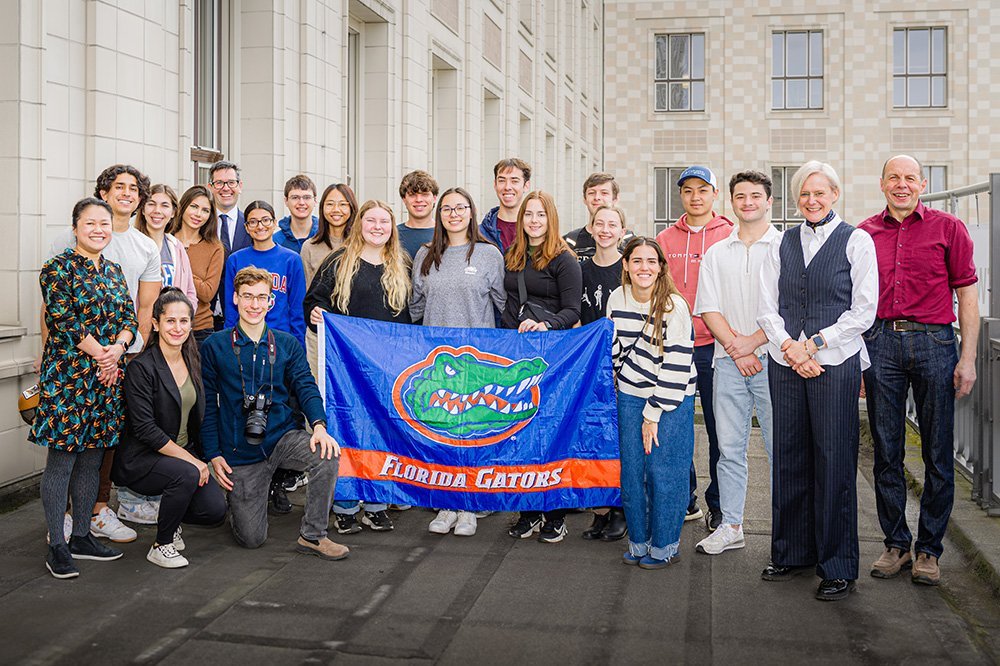
21.03.2024The group, which was made up of students from mechanical engineering, medical technology, aerospace engineering and other engineering disciplines, was led by Professor Diba Mani from UF. The visit took place as part of the cooperation agreement concluded last year between HTWD and the University of Gainesville. An intensive exchange between the Department of Mechanical & Aerospace Engineering of the Herbert Wertheim College of Engineering at UF and the Faculty of Agriculture/Environment/Chemistry at HTW Dresden has already existed for several years. The cooperation agreement was initiated by Professor John Schueller and Professor Karl Wild. After previous research projects between the university partners, this visit was seen as an opportunity to further intensify the collaboration and explore new opportunities for cooperation. "Meeting the researchers and discussing common research interests opened up new perspectives for us and strengthened our conviction that our collaboration will be of mutual benefit," says Professor Mani, summarising the visit. This visit marks an important step in a long-term partnership and emphasises the commitment of both institutions to engineering education and research. ABOUT THE UNIVERSITY OF FLORIDA The University of Florida in Gainesville is one of the top universities in the USA. It offers over 300 different degree programmes in a variety of disciplines. UF has outstanding faculties consisting of more than 4,000 professors. With over 50,000 students, the university is one of the largest educational institutions in the country. UF is also a centre for cutting-edge research, with annual research spending of more than 800 million US dollars. It has over 100 research centres and institutes. The university has produced many outstanding alumni, including several Nobel Prize winners and many CEOs of major companies.
-
Virtual Summer School "Computer and Geoscience in Archaeology"
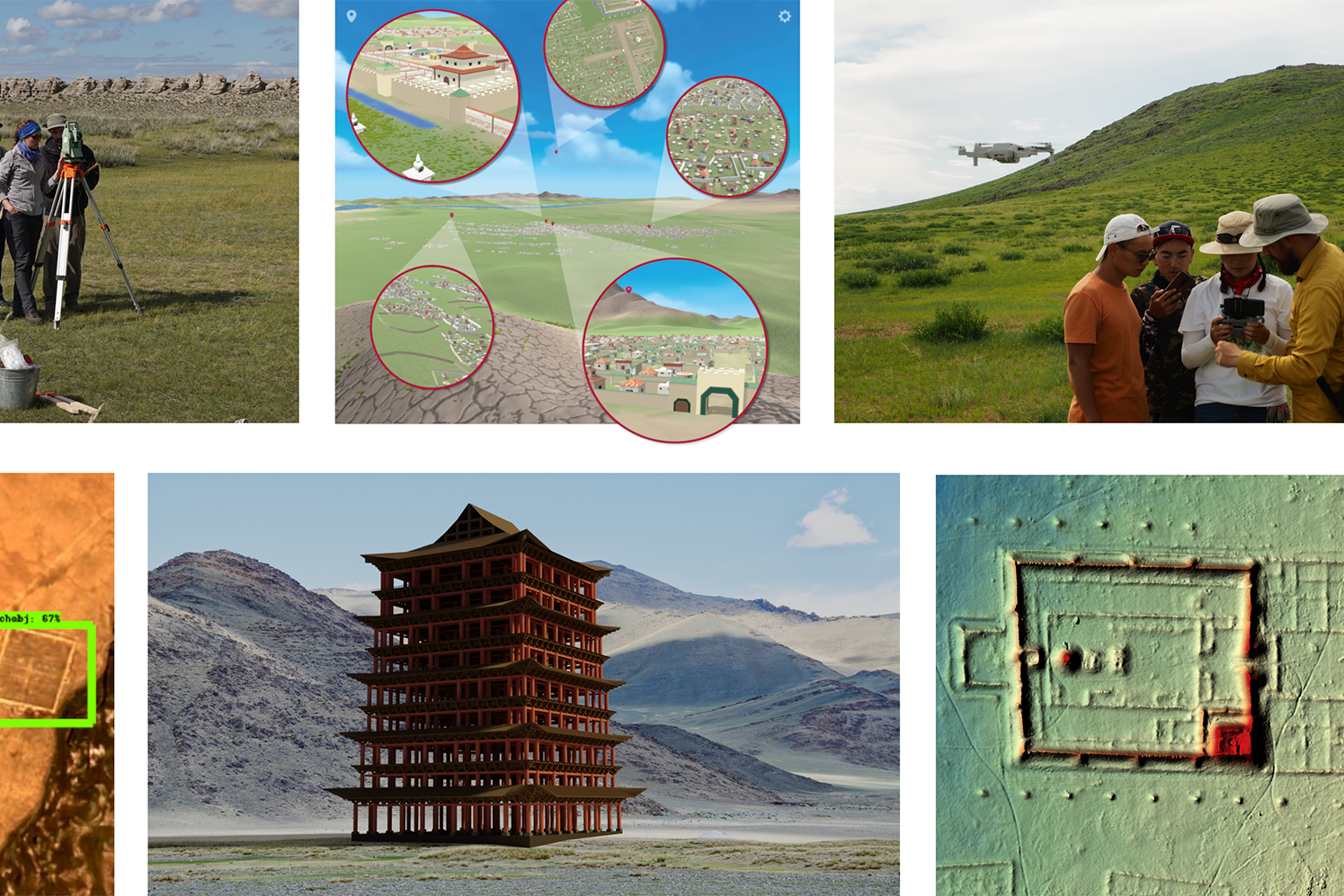
18.03.2024Like society as a whole, archaeology is undergoing immense change. Technological development and digitisation allow researchers to record more and more precise data than ever before. At the same time, they can access and use more and more information. With this development comes new demands. Archaeologists need to have basic knowledge of many fields, such as geodesy, remote sensing, data management and analysis, and computer science methods and tools, in addition to knowledge of their own discipline. It is the combination of these skills that enables them to contribute to and exploit the ever-growing corpus of archaeological data to gain new insights into the human past. To foster the dissemination of technological knowledge in the archaeology community, the HTW Dresden - University of Applied Sciences is once again organising a virtual summer school entitled "Computer and Geoscience in Archaeology" this year. The course is jointly organised by the Faculties of Computer Science/Mathematics and Geoinformation and will take place from 3 June to 14 June 2024. The Summer School offers participants deep insights into digital technologies in archaeology, including remote sensing, quantitative methods, 3D documentation, geoinformation systems and much more. The event is aimed at students from various archaeological disciplines who wish to acquire basic knowledge of digital working methods and their possible applications. The course is open to students from all over the world. All events will be held in English. The online format allows participation from anywhere in the world via an internet connection. On the HTW side, the Summer School is organised by PD Prof. Dr Marco Block-Berlitz, Professor of Computer Graphics, Prof. Dr Martin Oczipka, Professor of Photogrammetry and Remote Sensing, as well as Dr Tim Karberg and Dr Hendrik Rohland, Visiting Professors of Archaeoinformatics. The events of the summer course are also a foretaste of the newly designed Master's degree programme "Computer and Geoscience in Archaeology", which will be offered from the coming winter semester. With its technical-engineering orientation, HTW Dresden offers excellent conditions for teaching archaeologists, most of whom are trained in history and the humanities, the technical tools that this diverse profession requires today and in the future. Whether university research, monument preservation, museum education or tourism development and marketing - none of these areas can do without digital technologies today. The new Master's course is designed to enable experts in archaeology to confidently shape the digitalisation of their discipline and use it for the benefit of cultural heritage. Registration for the Summer School is now open until 12 May. For registration and further information, please visit: https://www.htw-dresden.de/en/hochschule/fakultaeten/info-math/studium/computer-science-archaeology/summer-school-computer-science-in-archaeology .
-
Robot competence centre at the HTWD: New paths in student education
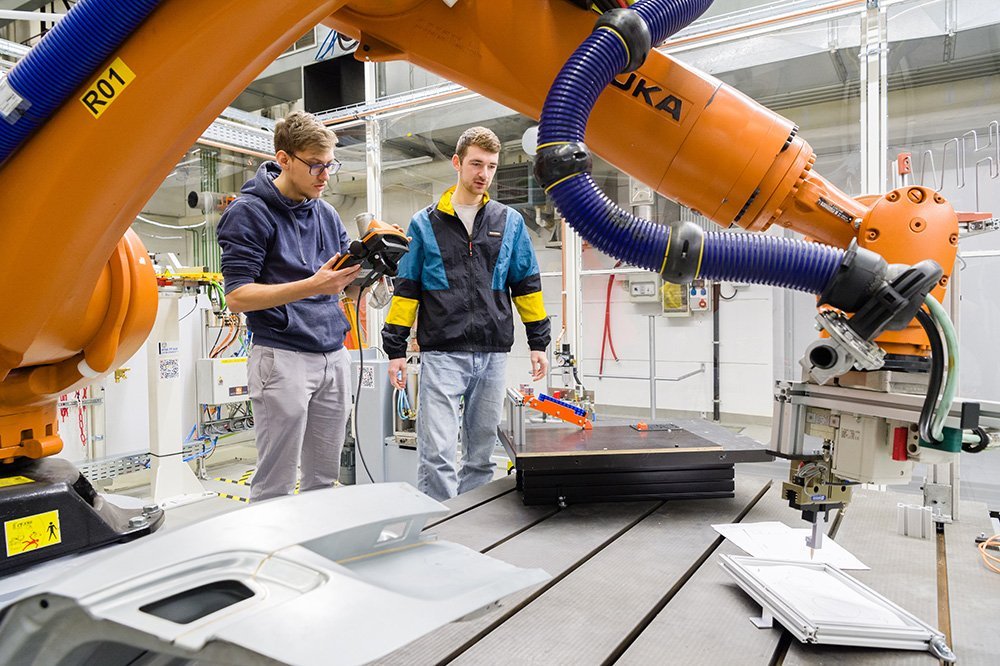
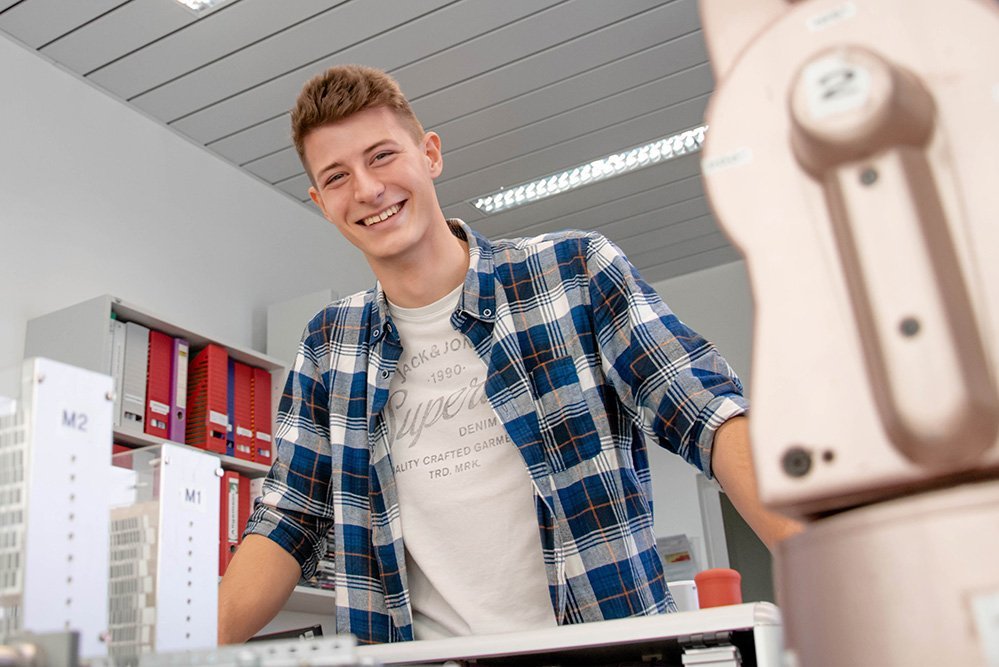
13.03.2024Students from various disciplines can now work with new robotics and automation systems on the premises of the former automotive engineering engine test bench. Two large industrial robots from KUKA with payloads of 240 kg and 210 kg are available to provide students with practical experience in operating and programming these machines. "Training concepts for robotics education have only been developed in recent years. HTW Dresden is the first university in Saxony to offer a corresponding course of study," reports Professor Uwe Kühsel, Head of the Robot Competence Centre.
-
-
-
Water projects in the MENA region to tackle water scarcity
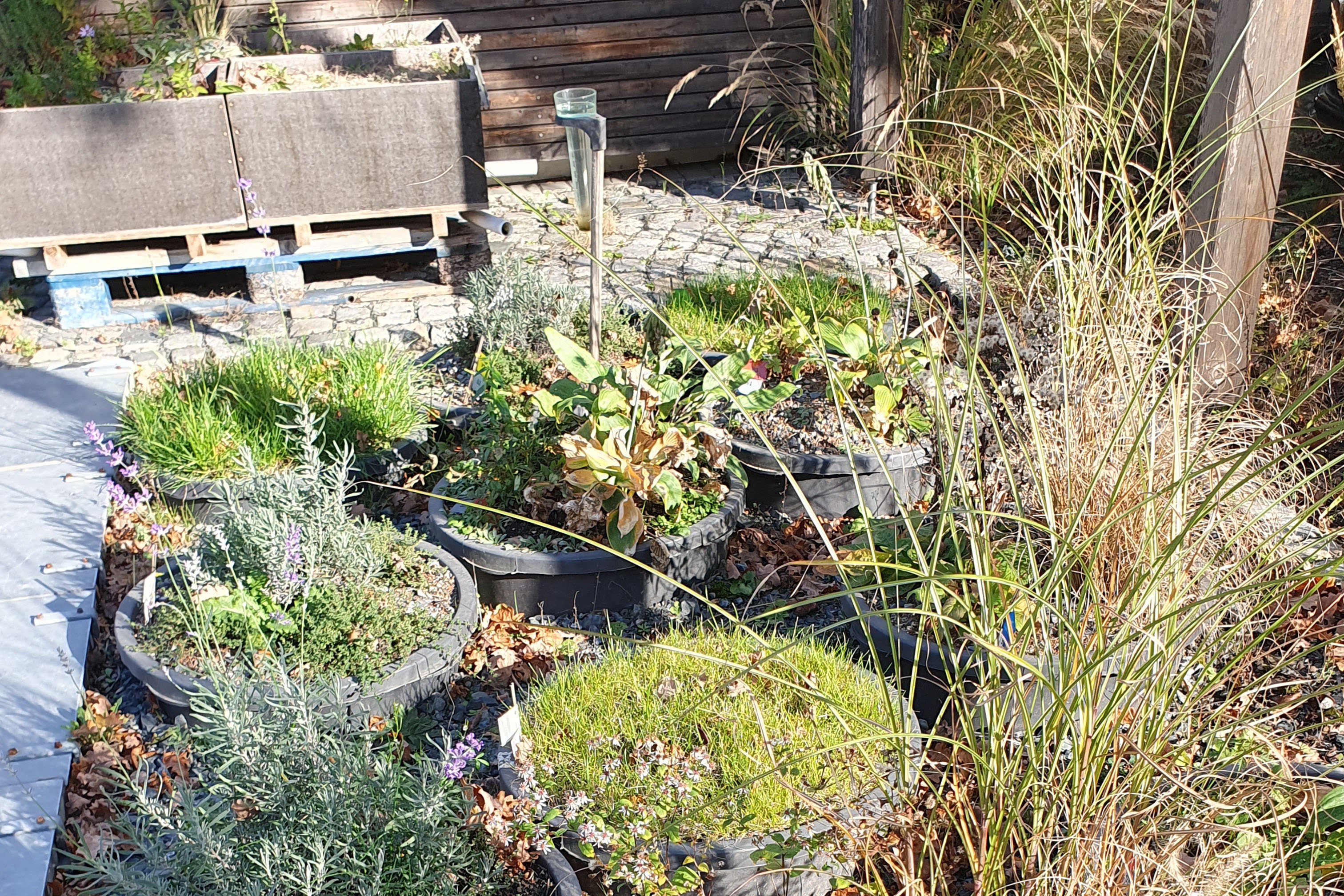
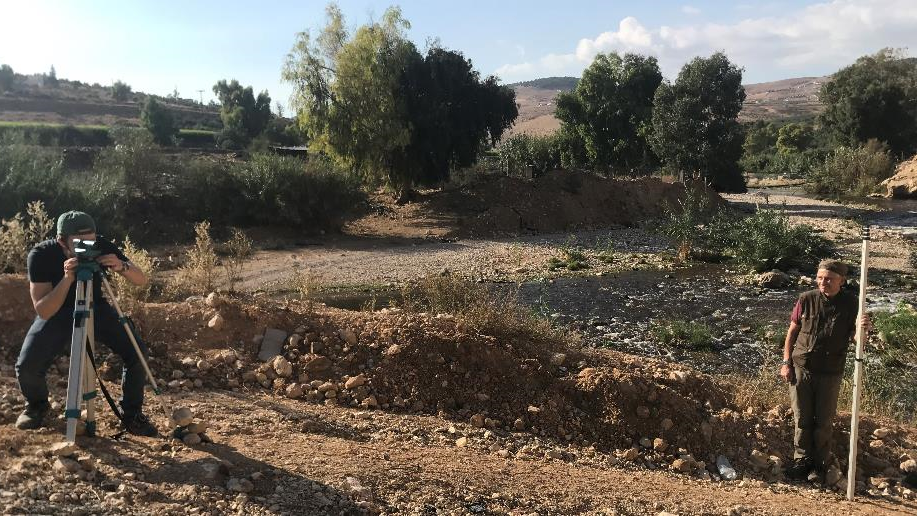
23.02.2024The MENA region (Middle East and North Africa) is facing one of the greatest challenges worldwide in terms of its water resources. Sustainable water management is therefore of crucial importance. Managed aquifer recharge (MAR), also known as water banking and artificial recharge, offers a promising solution. This involves the targeted infiltration of water into aquifers in order to recover it later or stabilise the groundwater level. This technique, which includes facilities such as bank filtration (UF), infiltration basins, ponds and wells and utilises natural surface water sources, rainwater and treated wastewater, helps to increase groundwater storage. In addition, water quality can be improved and a supply ensured in the event of drought. Increased cooperation in particularly dry regions While MAR is already being used in many countries in the MENA region, the use of bank filtration has so far been limited mainly to Egypt. In order to tackle the scientific and technical challenges associated with MAR and UF in other regions as well, the HTWD's Department of Water Management has been cooperating with universities and non-university stakeholders in Jordan, Morocco, Lebanon and Syria since 2021 as part of the MEWAC-FEMAR and MENAWAT research projects. The researchers are currently investigating the feasibility of water recharge at sites in Jordan, Lebanon and Syria in collaboration with partners such as the Royal Scientific Society, the American University of Beirut and the University of Aleppo as well as German partners such as the Institute for Groundwater Management at TU Dresden and Umweltbüro GmbH Vogtland. Together, they have explored a new potential site for bank filtrate extraction on the Zarqa River. Water quality and geohydraulic field investigations were carried out from September 2023 to January 2024. This led to the establishment of a measurement profile consisting of groundwater measuring points for sampling and monitoring water levels in order to evaluate the purification performance of bank filtration. Promotion of educational and research cooperation MENAWAT is focussing on strengthening educational and research cooperation in the field of MAR and UF with universities and non-university institutions in Jordan and Morocco. The German Academic Exchange Service (DAAD) is funding this project as part of the "Ta'ziz Partnership - Scientific Co-operation". The project began with a workshop in Amman in September 2023, organised by the German-Jordanian University (GJU) and the HTWD. The event offered insights into water quality and trace substance analyses in Jordan as well as a case study on MAR from Morocco. Discussions focussed on the advantages and disadvantages of MAR and the integration of research results into academic curricula. In this context, Jakob Sieg, a student in the fifth semester of the civil engineering degree programme at HTWD, completed a three-month research internship at GJU. During this time, the budding civil engineer carried out field and laboratory investigations into bank filtration on the Zarqa River, supported a Jordanian well construction company in the construction of groundwater measuring points and gained valuable experience in drilling methods. MENAWAT not only intensified scientific cooperation between Jordanian, Moroccan and German universities, companies and political actors, but also deepened intercultural understanding between the partners. International university cooperation strengthens water resource management in the Middle East Last November, a workshop on water management was held at the Jordan University of Science and Technology (JUST) in cooperation with the Water Diplomacy Centre (WDC) . 30 graduate and doctoral students from various countries expanded their skills in geohydraulics, water quality, site exploration, well construction and groundwater modelling. The participants came not only from Jordan and Yemen, but also from Spain, Germany, Guatemala, India, Mexico, Malaysia and Romania. Collaboration between universities such as HTWD and GJU fostered further synergies between the MEWAC-FEMAR and MENAWAT projects for long-term impact on teaching, research and university management.
-
Alumni Story: Jessica Rietze (Product Design)
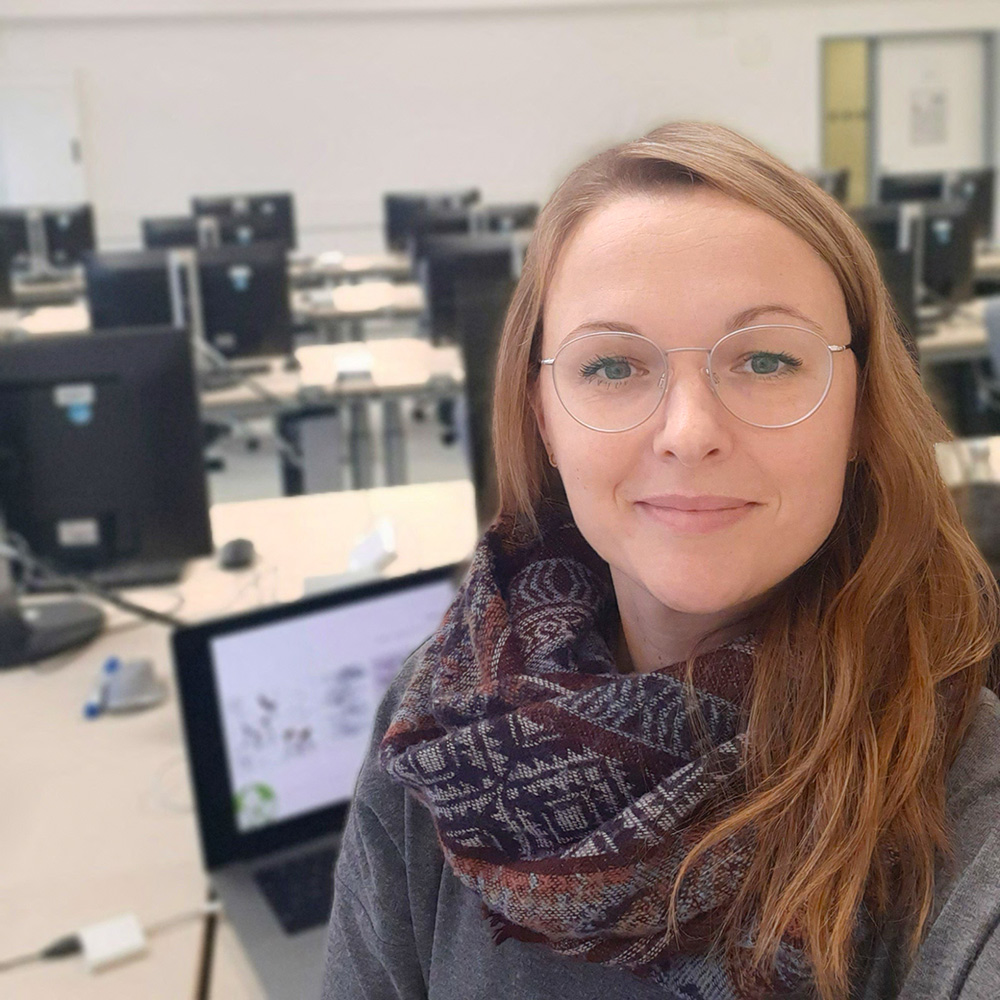
16.02.2024She studied Product Design (M.A.) at our university from 2007 to 2014. Her master's thesis dealt with the topic "Design of a medical therapy device for the treatment of paediatric scoliosis" and was written in collaboration with the Fraunhofer Institute for Machine Tools and Forming Technology (IWU) Dresden. Following her Master's thesis, she worked here as a research assistant in the Medical Technology department. In October 2016, she moved back to her old home with her family and moved to Fulda University of Applied Sciences to teach as a lecturer for special tasks (LfbA) in the Department of Applied Computer Science, Digital Media programme. From 2018 to 2022, she took a break from teaching to support the "GetAll" project (health technology for coping with everyday life) at the Regional Innovation Centre for Health and Quality of Life (RIGL Fulda), which is based at Fulda University of Applied Sciences. Jessica Rietze has been working in teaching at the university again since January 2023. You wrote your Master's thesis in collaboration with the Fraunhofer Institute for Machine Tools and Forming Technology (IWU). How did the contact come about? At the time, the Equal Opportunities Officer at the Faculty of Design wrote a circular email with information about events for female students. She drew attention to the "Science Campus", which was actually only offered by the Fraunhofer IWU Chemnitz for female graduates and students from the fourth semester of mathematics, engineering, natural sciences and computer science. However, interested product designers were also able to take part on request. During these four days, I first got to know the IWU Chemnitz, applied for my Master's thesis there and was placed in Dresden by the HR department. What were your tasks as a designer at the Fraunhofer Institute for Machine Tools and Forming Technology? Was there a favourite project? I worked in the Medical Technology department at the Institute for Machine Tools and Forming Technology. In co-operation with medical professionals and manufacturers of medical products, we developed solutions for problems from everyday clinical practice. Most of the projects involved implants and prosthetics, but some also involved medical therapy devices or surgical instruments. My tasks were very complex. On the one hand, ergonomics and user-orientated design played an important role in medical developments with the aim of making the use of medical devices easy to understand and safe in order to reduce user errors to a minimum. Other areas of work included the testing of functional samples and the visualisation of research and development results. The design of interaction with trade fair demonstrators, for example, also fell within my area of responsibility. What advice would you give to graduates who would like to work as a designer at a research institute with a scientific or technological focus? In general, it has proven to be very useful and important to work systematically as a designer and to be able to clearly argue design decisions vis-à-vis other disciplines in order to emphasise the added value created by design. Unfortunately, many specialist areas still have a false or distorted image of the work of a designer. In particular, you have to engage in interdisciplinary work with engineers, who often see no need for design work. The solutions developed in research institutes are often technically highly innovative and useful, but there is a lack of an end-user-orientated view of the product and a corresponding implementation. And this is exactly where design comes in. You now work as a lecturer at Fulda University of Applied Sciences. What are your tasks there, how can we imagine your day-to-day work? What do you particularly like about this job? As a lecturer, I have been responsible for the modules Communication Design, Design Basics, Media Technology and Usability Engineering. I design teaching content, try out new didactic methods and try to expand the practical part of my lectures and combine it with theoretical input. Ideas from my time as a student or my time at the Fraunhofer IWU are always incorporated here.As at the IWU in Dresden, I work with people from different disciplines at the HS Fulda. The students' focus is often on technical implementation and in my lectures, seminars and exercises I can give new impulses, e.g. on user-centred design, which should broaden the students' perspective. It's nice to see the positive development of some students over the course of the programme. Particularly in the compulsory elective module Communication Design, I see great progress time and again. Your first daughter was born in 2011. How did you manage the balancing act between studies and family? In order to reconcile family and studies, I had to submit a special study plan that involved spreading the modules over several semesters. With the support of my husband, who was fortunately very flexible at the time due to his studies, I was able to complete the required work for my Master's degree and look after my daughter at the same time. I also found the flexible timetable at the Faculty of Design very convenient at the time, as our courses were usually held at the beginning of the semester and later on in self-directed lessons and consultations. It was challenging to carry out activities in the workshop on machines and with questionable materials during pregnancy and breastfeeding. Nevertheless, I can only recommend parenthood during my studies due to the flexibility compared to working life. In your opinion, what interests should prospective students have if they want to enrol for a Bachelor's or Master's degree in Design at the HTWD? If you want to study design, you should enjoy creative and, above all, self-motivated work. As you have to submit a portfolio of design work for your application, it is helpful if you have already dealt with these topics before starting your studies. An internship in a design office or similar is ideal in order to get an idea of the diverse and varied work of a designer and to be able to work on your own smaller problems, which can possibly be used as a basis for the application portfolio. How did you decide to study design at the HTWD and what did you particularly like about it? In my A-levels, I chose physics and art as my two advanced courses and wanted to combine both design and technical subjects after school. After a lot of research, the Product Design degree programme seemed to me to be the most suitable for designing technical-pragmatic and creative-aesthetic solutions to problems. As design degree programmes are usually preceded by a multi-stage aptitude test, in which only a relatively small number of students actually get a place, I applied to five universities in Germany at the same time. One of them was the HTWD, whose profile and location in Dresden appealed to me very much. I was also impressed by the family atmosphere at the faculty and the wide range of projects. What is your favourite memory of your time studying in Dresden? I like to think back to the team spirit of the study groups. I particularly remember the many all-nighters in the computer labs and in the modelling workshop of the Design department. Before the exams were handed in at the end of the semester, the work on the projects, especially the prototypes, was once again very intensive. The mutual exchange and the support of my fellow students made this exhausting time a wonderful memory. In general, I have very fond memories of the informal atmosphere and the collegial dialogue with professors and staff in the Department of Design.
-
International Cooperation
24.01.2024Internationalisation is increasingly organised in international networks. Networks offer the possibility of worldwide co-operation with selected outstanding universities. Resources are shared and experience and knowledge are exchanged. GE4 is an international, non-profit network of universities founded in Paris in 1996. Its main objective is to connect engineering and management universities worldwide and to promote their exchange. As a self-organised service provider, GE4 supports the exchange of students, teachers and researchers between the member universities. A total of around 40 universities from Asia, Europe and South America are members. With the start of the winter semester 2023/2024, we are a member of this network. Students have the opportunity to study at one of the member universities. "Internationalization is more and more organized in international networks. They offer opportunities for global cooperation with selected outstanding universities. Resources, experiences and knowledge are shared," explains Juliane Terpe, Head of the International Office. "We are delighted that our students can now choose from eight new partner universities in South America, for example." All students can currently apply for a semester abroad at the International Office until 15 February: https://www.htw-dresden.de/international/wege-ins-ausland More information https://ge4network.org/ https://www.htw-dresden.de/international/internationales-profil/partnerschaften/ge4
-
Prevent, resist and adapt: Building in the face of climate change as a central task
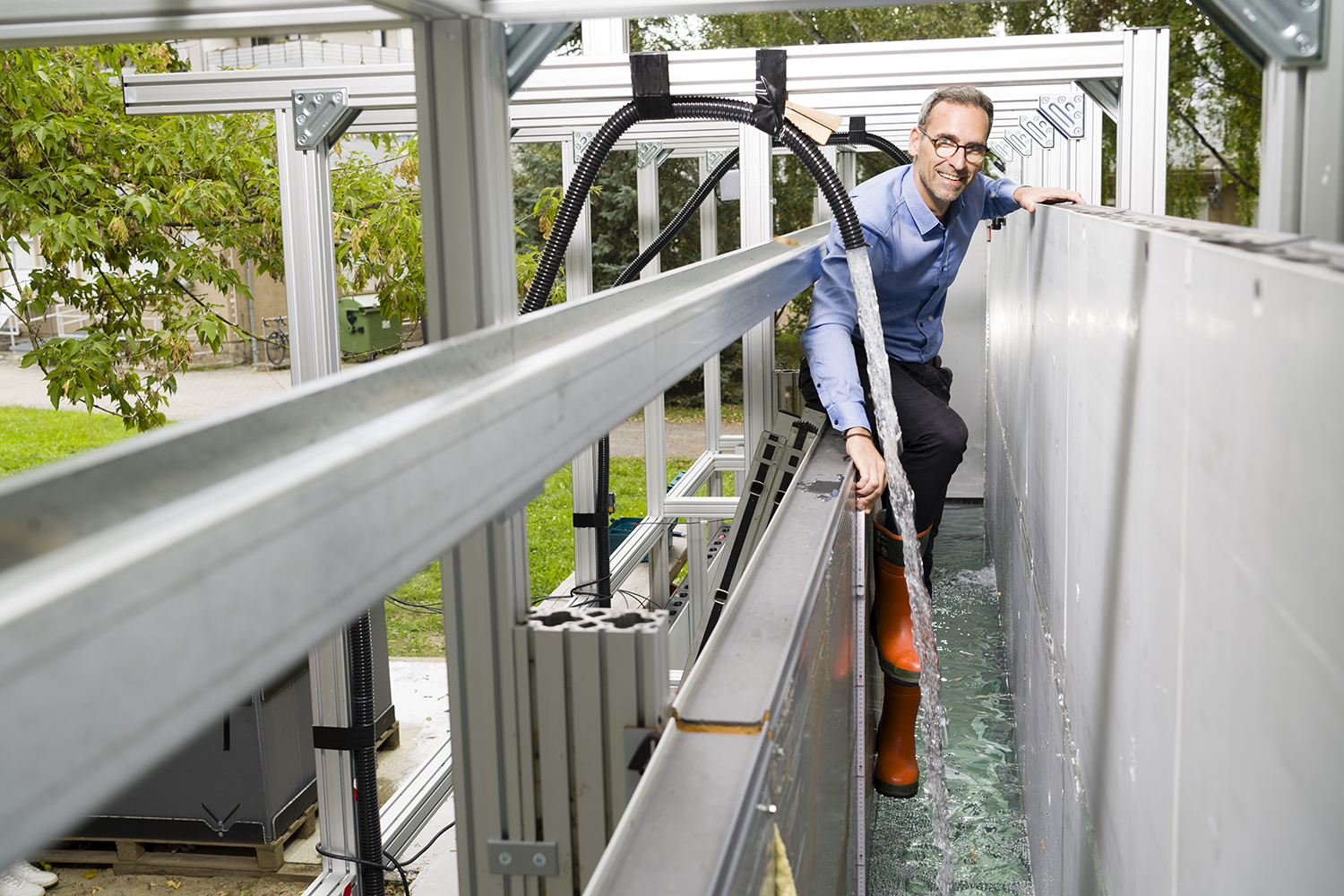
04.01.2024Dr. Sebastian Golz has been part of the HTWD's postdoc programme since August 2023. Over the next few years, the scientist will undergo a qualification programme that will prepare him for a future professorship. He will be supported by his mentor Professor Thomas Naumann and his colleagues at the Institute of Building in a Changing Climate (IBiK). Mr Golz, you were already working at the HTW before your postdoc. What did you do? Yes, in fact, I have been working as a scientific project manager at the HTWD since 2018. In numerous third-party funded projects, I worked with colleagues on the question of how we can estimate the damage caused by future flooding and heavy rainfall events to buildings and infrastructure in terms of space and time. Building on this, we also developed flood and heavy rainfall-adapted construction methods in these projects to minimise damage to residential buildings, industrial buildings and engineering structures. As head of a junior research group on the resilience of buildings to extreme environmental events, I was also able to contribute to providing further impetus for climate-adapted construction. The initiative to found the Institute of Building in Climate Change (IBiK) at the Faculty of Civil Engineering emerged from this junior research group. How did you become a "researcher"? Was there a specific moment that made you realise that you wanted to do research? I have been dealing with environmental hazards, especially floods and heavy rainfall, and the negative consequences they can have for buildings and infrastructure for more than 15 years. This was triggered by the flooding of the Elbe and its tributaries in August 2002, when I was studying civil engineering at the TU Dresden and living in a shared student flat near the Postplatz. As I was completing my construction internship outside of Dresden during the semester break, I only found out about the acute flooding not only in the city but throughout Saxony via the media. I particularly remember the images of the flooding of the main railway station by the Weißeritz. When the forecasts for the water levels of the Elbe continued to worsen, I feared that our student flat share and some friends and acquaintances would also be affected by the flood in a short time. I travelled to Dresden to clear out my own cellar as a precaution and to help with the construction of temporary flood protection measures for friends' flats in Laubegast. From this experience, I realised that we as civil engineers could make an important contribution, not only to technical flood protection (dykes, flood retention basins, dams, etc.), but also to concrete property protection and the adaptation of buildings. However, because we still lacked a lot of knowledge in this area at the beginning of the 2000s, I wanted to contribute to reliable damage assessments and suitable structural engineering solutions through research. What will you be working on as a postdoc at the HTWD? A major task for me is to further advance climate-adapted construction at IBiK. I am currently working on several research questions, such as how the resilience of buildings to flooding and heavy rain can be "measured" or how heavy rain risks for neighbourhoods and urban districts can be assessed spatially and temporally and presented in 3D portals that can be accessed online. In laboratory tests, I am also investigating how building envelopes behave under different flood impacts or how the damage-reducing effect of various preventive and adaptation measures can be demonstrated. Answering these research questions supports the work of the IBiK. We wish you a successful time at the HTW Dresden! The Institute of Building in a Changing Climate (IBiK) The Institute "Bauen im Klimawandel" (IBiK) brings together researching professors and employees at the HTW Dresden. By pooling interdisciplinary expertise in application-oriented research and consulting, IBiK contributes to innovative solutions for climate adaptation in the construction industry. The institute has set itself the goal of strengthening the resilience of cities and communities to environmental impacts and promoting the development of innovative structural engineering solutions as well as the active new and further development of normative standards and guidelines in construction. The postdoc programme at HTW Dresden With the Postdoc Program, HTW Dresden supports highly talented young scientists who have completed their doctorate. The goal is to attract them to research and teaching and to qualify them for a professorship or permanent scientific position at a university of applied sciences (HAW). The postdocs go through two qualification phases that include aspects of teaching and research as well as personal development. Successful graduates receive the "HAW-Postdoc plus " certificate. Currently, there are six postdocs at HTW Dresden.
-
Alumni Story: Ahmad Barakat (Economics)
03.01.2024Which company do you work for and what do you particularly like about your current job? Ernst & Young is one of the four largest providers of financial services in the areas of consulting, auditing, tax and transaction services. Our goal is to help our clients find solutions to their challenges. Working in audit gives me the opportunity to work with clients from different industries and with different problem areas, which makes my job very interesting and varied. What I like most is working in a team and the learning and development opportunities that are available to me. What memories do you have of your studies at HTW Dresden? I have so many fond memories of my time at HTWD. What I appreciated most was the friendly atmosphere with the lecturers and the relaxed atmosphere with my fellow students. I always enjoyed attending lectures and having stimulating discussions. I also miss the Faranto activities and the long walks along the Elbe. To what extent did your degree programme prepare you for your career? The Master's programme in International Management was not directly related to auditing, but I have a Bachelor's degree in accounting, which was helpful. But you also can't audit a company without having a deep understanding of its business and risks and being able to think holistically. The modules I studied during my degree at HTWD helped me a lot with this, especially the specialisms in strategy and sustainability. The opportunity to work on various projects in a multicultural team and to spend a semester abroad was also a great advantage. What tips can you give current students to help them on their way? That's a difficult question. I believe that everyone is different and has their own challenges and stories. All I can say is: be curious, don't be afraid to try new things and have fun!