-
HAW.International Future.East
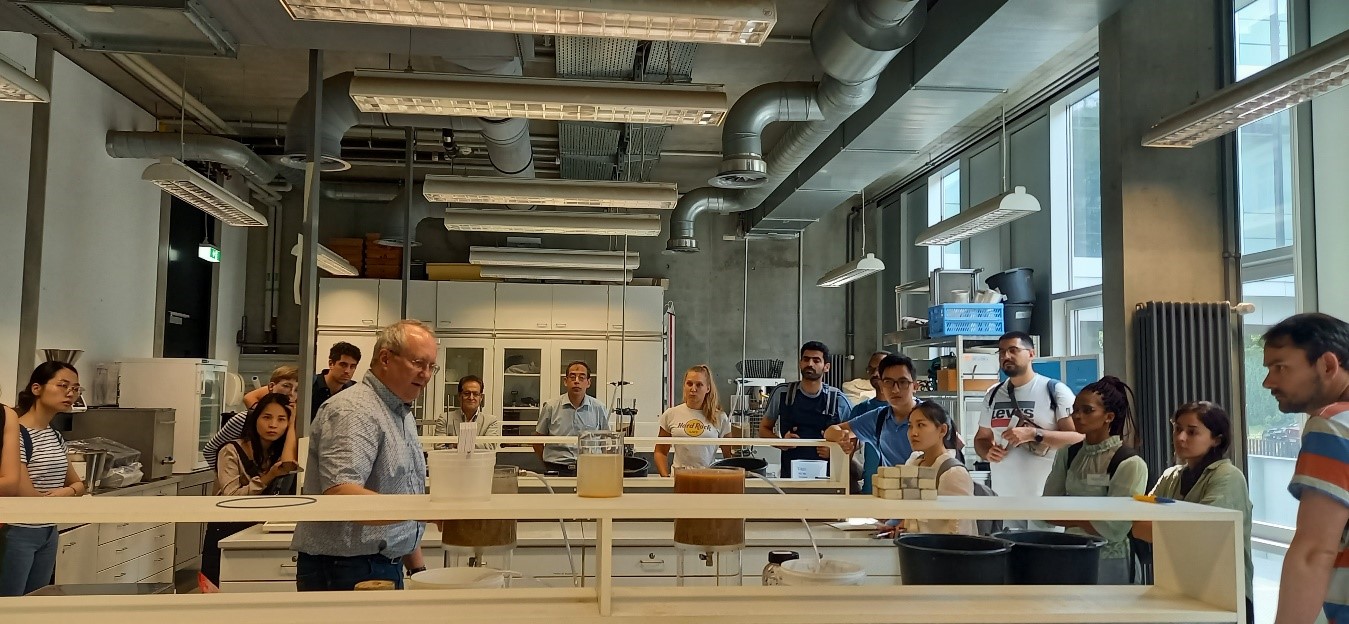
13.12.2023New collaborations were established with universities and institutions in Vietnam, Mongolia and Georgia. In particular the faculties of Computer Science/Mathematics (Prof. Block-Berlitz, Prof. Neugebauer, Prof. Klimova), Spatial Information (Prof. Oczipka) and Civil Engineering (Prof. Grischek) were involved in the development of new international courses, programmes and curricula. International partnerships were developed and deepened and successful new projects were established in the Faculties of Mechanical Engineering (Prof. Stehr) and Agriculture/Environment/Chemistry (Prof. Harre, Prof. Cierjacks). Due to the corona pandemic and the corresponding restrictions on mobility, changes and adjustments to the project were necessary. On the other hand, new perspectives for digital cooperation and transnational teaching opened up. Offers for students: - International Master's degree programme in Computer and Geoscience in Archaeology in the Faculties of Informatics/Mathematics and Spatial Information (under development) - International Summer School Managed Aquifer Recharge - Modules in English in the field of media and business informatics - Study Aboard in Vietnam, Mongolia and Georgia - Study trips and Summer Schools (the page is constantly updated) New cooperation partners for study abroad: In Mongolia National University of Mongolia German-Mongolian Institute for Resource and Technology In Georgia International Black Sea University Georgian Technical University In Vietnam Hanoi University of Science and Technology University of Transport and Communication Vietnamese-German University
-
German-Czech exchange
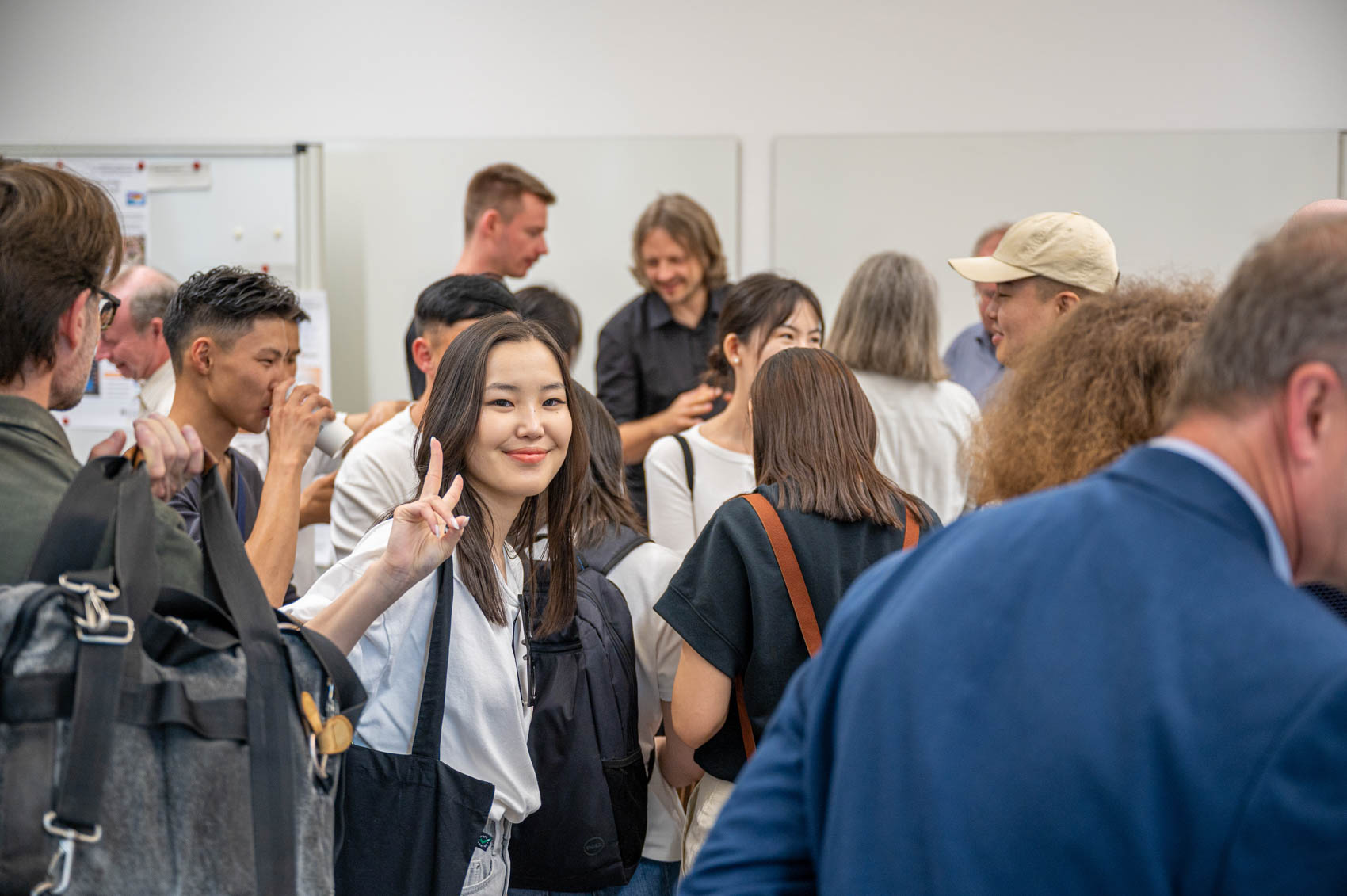
03.11.2023They were guided through the week with a colorful program and learned not only about German culture at a simulated business dinner, but also about the political landscape during a visit to the Saxon Parliament or economic aspects at the Transparent Factory. A city rally brought them close to Dresden, and visits gave them a taste of university life in selected lectures. Skoda Auto University is a partner university of HTW Dresden. Together, the two universities offer a double degree in industrial engineering. The German-Czech Future Fund helps build bridges between Germans and Czechs. It provides targeted support for projects that bring the people of the two countries together and enable and deepen insights into the worlds in which they live, their shared culture and history. Since 1998, the Future Fund has provided a total of almost 74 million euros for around 12,600 projects. HTW Dresden and Skoda Auto University in Mlada Boleslav have received further funding from the German-Czech Future Fund. In April 2024, we will be back to Mlada Boleslav. : https://bildungsportal.sachsen.de/opal/auth/RepositoryEntry/38617579522/CourseNode/1675222381666481004
-
DAAD Prize for Xhoen Gjashta
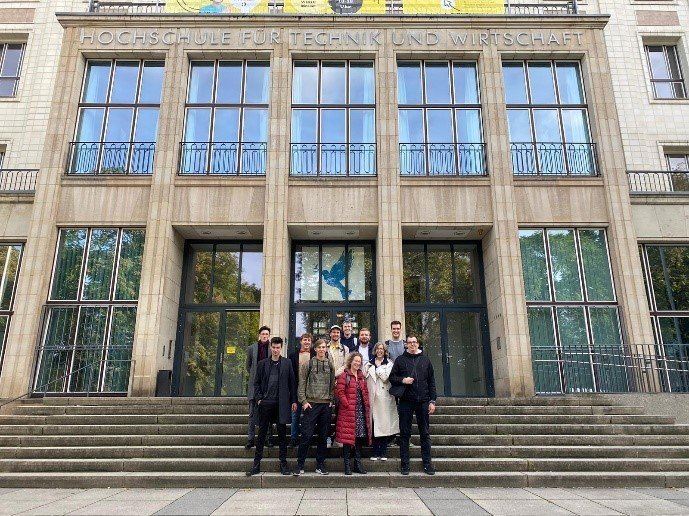
27.10.2023Xhoen Gjashta comes from Albania and started her Master's degree in Chemical Engineering at HTWD in 2021 after completing her Bachelor's degree in Chemical Engineering at Mannheim University of Applied Sciences. "After my bachelor's degree, I wanted to live and study in another city to get a different view of German culture and people. Dresden interested me as a city. The decision to study at HTWD was partly due to the orientation of the Master's programme. Biopolymers and chemistry based on renewable raw materials appealed to me directly. On the other hand, I was impressed by the broad spectrum of ongoing research projects. To name just a few: Catalysis, battery materials, algae biotechnology to biopolymers and microplastics research - all very innovative and solution-oriented. My goal was to get an insight into the world of research parallel to my studies." Studies and research In alongside her studies, she worked as a research assistant in a research project in the technical chemistry laboratory. "She stood out due to her very committed, clean and thoughtful way of working in the lab, scientific curiosity and a far above-average willingness to exert herself. In her studies, she achieved good to very good academic results, often making an above-average contribution to the results in group work due to her fair and helpful nature," recalls project leader Professor Kathrin Harre. To finance the time for her Master's thesis and to be able to devote herself fully to it afterwards, the student took on a part-time job as a project engineer in the HTWD junior research group "VEMIWA" in advance. The chemist was already able to present her work results at µMED 2022 (International Conference on Microplastic Pollution in the Mediterranean Sea). This resulted in several EU-wide contacts for the Technical Chemistry Working Group. In addition, she was involved in public relations and recruiting young scientists. For example, she participated in the Long Night of Science, represented HTW Dresden at the Student Climate Conference, was available as a contact person at the University Information Day and developed a poster and an exhibition object on the topic of "microplastics" for trade fair and advertising purposes. The beginning in a new country is not always easy The student from Albania uses her experience to help other students from abroad. For example, she supported a student from Tirana at the Faculty of Electrical Engineering in getting started with her studies and took on a sponsorship for a first-year student in the Master's course in Chemical Engineering. Xhoen Gjashta would like to encourage international students to always seek help in good time if they have questions or uncertainties: "I have experienced it and can understand how difficult life in a foreign country can be at first. I myself would have liked someone to share their experiences about the hurdles and successes in Germany. It took me a while to accept that it is normal to experience culture shock at the beginning and not be able to cope with everyday things. Everything takes time." Currently, Xhoen Gjashta is working in the junior research group "SEMUWA - Safe removal of microplastics in bank filtration and drinking water treatment in Saxony" and plans to do her PhD: "I want to work in research and contribute in finding solutions to current environmental problems. During my doctorate and beyond, I will also work for international cooperation. Because especially when it comes to environmental problems, one should discuss constructively on a global level and act accordingly." About the DAAD Prize The DAAD Prize, awarded with 1,000 euros, honours foreign students who are completing their studies in Germany and who stand out for their outstanding academic achievements and remarkable social commitment, as well as for building bridges between countries. The prize has been awarded for more than ten years and is intended to help put faces to the large numbers of international students at German universities and to connect them with stories. This makes it clear that every single international student takes a piece of Germany back to their home country and leaves something of themselves in Germany - an enrichment for both sides.
-
HTWD expands its network in India
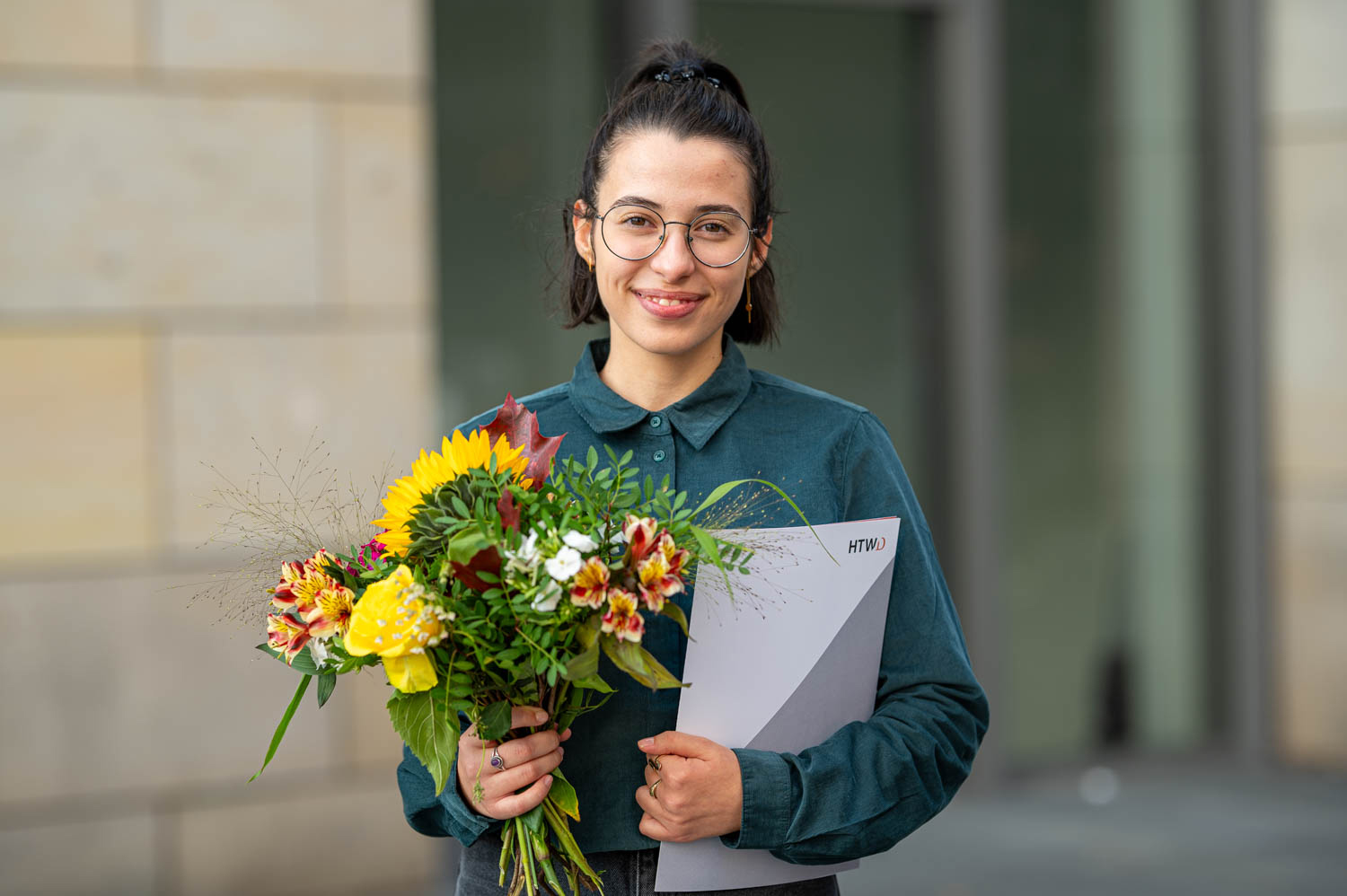
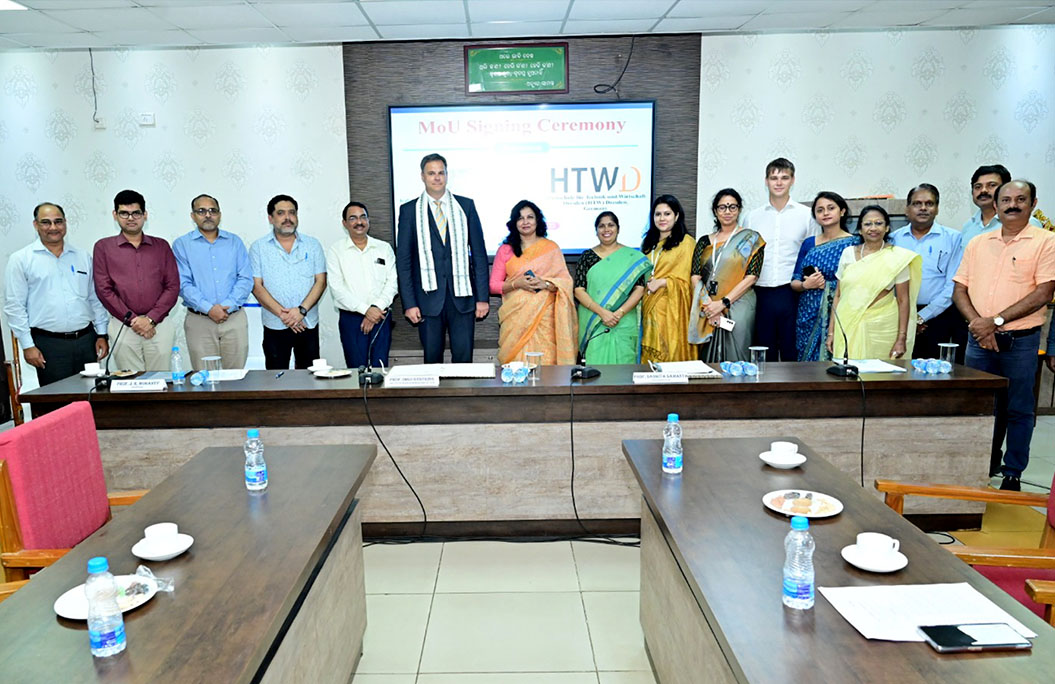
22.09.2023A new partnership agreement was signed with the KIIT Kalinga Institute of Industrial Technology University in Bhubaneswar in eastern India on 15 September 2023. The Faculty of Business and Economics of HTWD and the School of Management of KIIT want to enable mutual students and also teachers to stay at the partner university in the future. The first student from KIIT is expected in Dresden this semester. Vice Chancellor Prof. Sasmita Samanta and Prof. Ingo Gestring took part in the signing ceremony. In his speech, Prof. Gestring referred to the G20 summit that ended in Delhi. "One earth - One Family - One Future: this slogan should also be the basis for the cooperation of both universities for us." KIIT has 40,000 students, the city of Bhubaneswar is a prosperous city of millions known for its temple landscape.
-
Summer School on climate protection in Vietnam
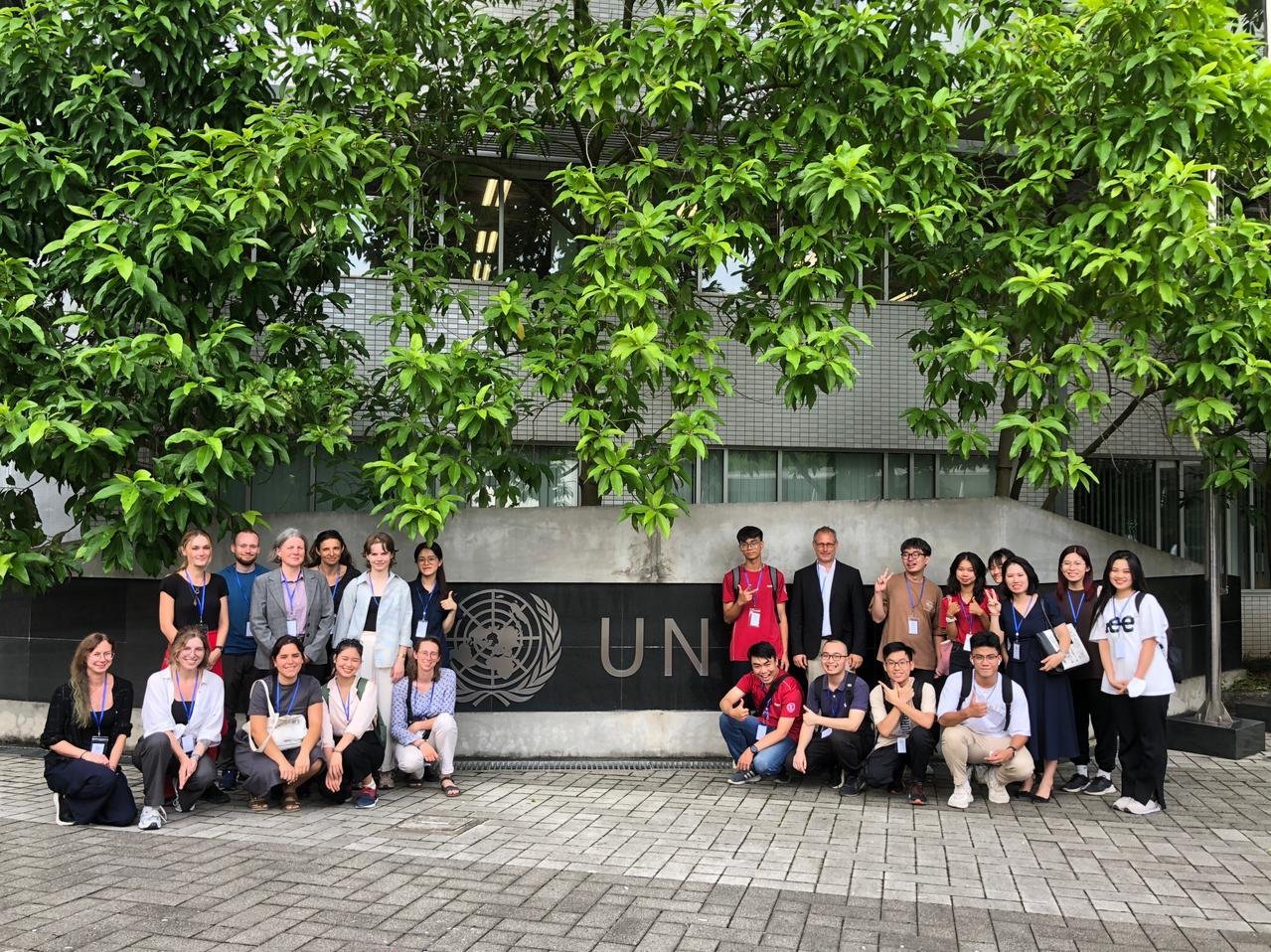
05.09.2023Students from HTW Dresden discuss these aspects with two of our international partners at the Summer School "Environmental Pollution, Climate Change and Biodiversity" in Vietnam. About 100 students from HTWD as well as from the partner universities Hanoi University of Science and Technology (HUST) and the Vietnamese-German University (VGU) in Ho Chi Minh City participate in this international exchange program. It comprises expert discussions with international stakeholders such as the United Nations in Hanoi (UN) and the German “Gesellschaft für Internationale Zusammenarbeit” (GIZ) in Vietnam, a service provider in the field of international cooperation for sustainable development. The participants get in touch with the challenges of the global crisis visiting the Hoa Binh hydropower plant, which is particularly important for Vietnamese energy supply, Bosch Company and world-famous national parks such as Cát Bà. In lectures, excursions and workshops, students identify potentials and challenges for a sustainable future in Vietnam and in Germany. They work in international teams and present their results on a final conference. In addition, they have the possibility to learn more about the Vietnamese language and culture. The Summer School has been organized by the team of professors Gunther Stehr (Mechanical Engineering), Thomas Wiedemann (Informatics/Mathematics), Kathrin Harre and Arne Cierjacks (Agriculture/Environment/Chemistry).
-
Heat stress and blue-green infrastructure in cities
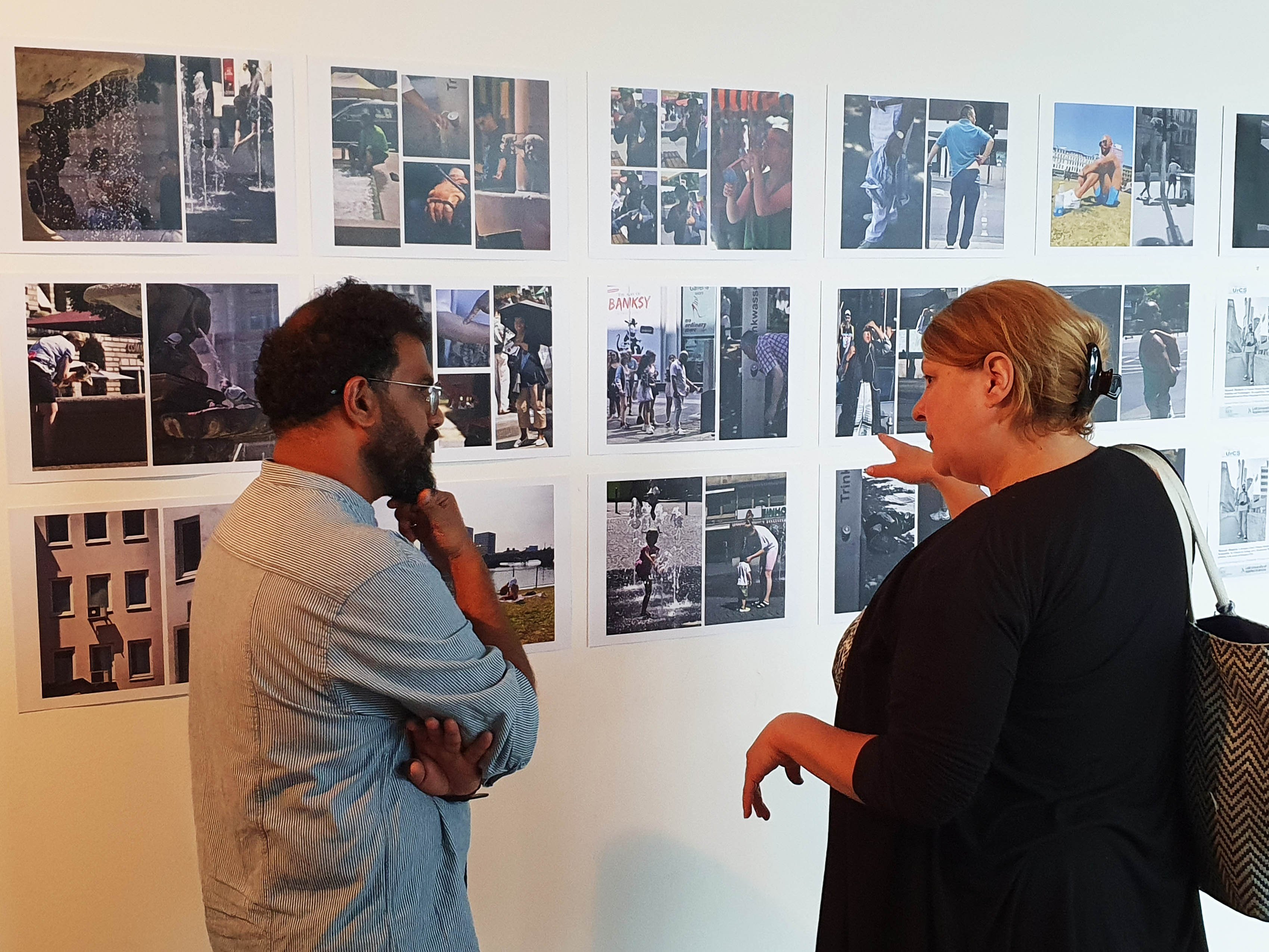
24.08.2023How do people experience heat in the city? How do they behave under extreme conditions in public spaces? How can we revitalise water bodies and vegetation as "blue-green infrastructure" using natural means? These are the questions that students from abroad are investigating at the HTWD. Research on climate stress, urban greenery and water bodies is not only carried out on site with measuring devices, in laboratory experiments and using digital models. The behaviour of people in squares, streets and green spaces also plays a role. Views and ideas of people from different backgrounds on how to deal with climate extremes are documented and evaluated as examples for sustainable urban development. Students dealt with these questions in their final theses in the Master's programme "Urban Climate and Sustainability". The following examples show the variety of topics: Elisa Reino-Bernal, transport planner from Ecuador, simulated environmental impacts in variants for the design of Kesselsdorfer Straße for all forms of mobility and formulated planning tips. Lorena Gebran, landscape architect from Lebanon, worked out in a multilingual workshop with people from Prohlis how water bodies can be revitalised and green spaces upgraded. Mayuresh Bhadsavle, urban planner and documentary photographer from India, used visual communication to lend weight to the issue of climate change. A selection of his photographs is now on public display. A showcase exhibition of photographs by Mayuresh Bhadsavle entitled "The Warming City - Visual Narratives of Urban Heat Stresses in Germany" will run until 31.8.2023. "Grüne Ecke", BÜNDNIS 90 / DIE GRÜNEN, Bischofsplatz 6, Dresden. The author will be present in person on 26.8.2023 from 2 pm. Further information: https://gruene-ecke.de/termin/the-warming-city-visual-narratives-of-urban-heat-stresses-in-germany/ The interdisciplinary, EU-funded Erasmus Mundus course "Master in Urban Climate and Sustainability" offers 20 places for students from all over the world. Universities in Glasgow (Scotland), Lahti (Finland) and Huelva (Spain) as well as HTW Dresden are involved as partners. International students come to HTWD every year for an intensive programme and the Master's thesis. Further information: www.murcs.eu
-
German-Jordanian exchange for the Summer School in Amman
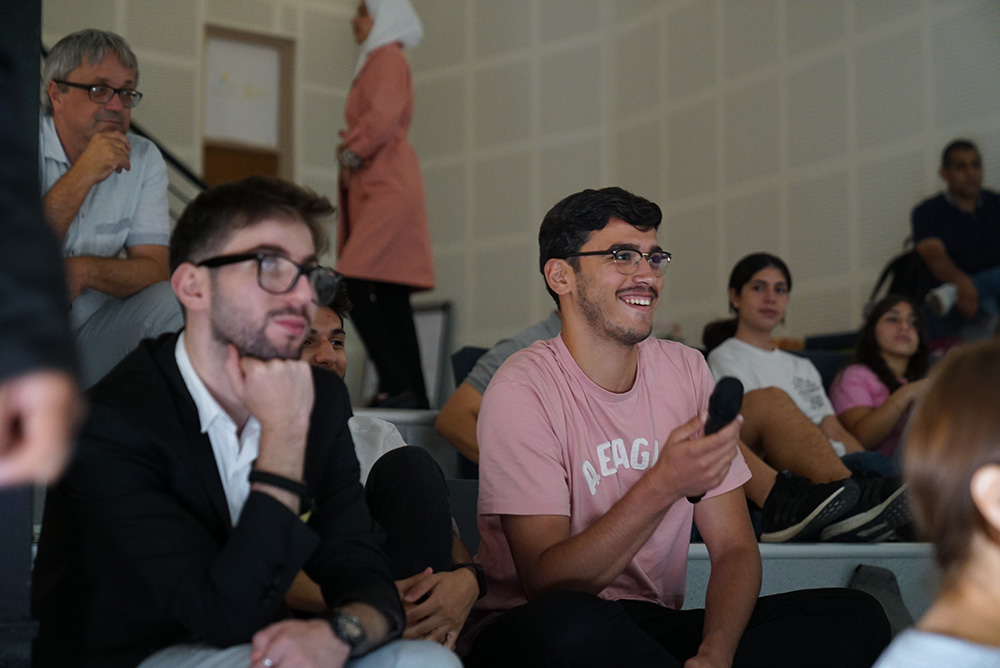
24.07.2023The summer school took place on the topic of entrepreneurship with HTWD teachers and students from the university in Jordan. In today's fast-paced and ever-changing business world, entrepreneurship plays an increasingly important role in higher education. It not only fosters innovation, creativity and skills necessary to solve current problems, but also prepares students to compete in highly dynamic labour markets. The aim was to strengthen the participants' entrepreneurial skills and motivation to start a business, as well as to promote a critical examination of their own ideas. Further education of students from different disciplines. The idea behind this is that, depending on location-specific requirements, an individual summer school programme helps to promote and strengthen the skills and knowledge of interested students in the field of entrepreneurship. The offer is aimed at all degree programmes. Thus, many different disciplines met for exchange and networking. Students from fields of study such as: Pharmaceutical and Chemical Engineering, Bioengineering, Computer Engineering, Industrial Engineering, Logistics, Architecture, Business Intelligence and Data Analytics and Accounting, Languages. Practical experience and close cooperation In addition to keynote speeches, panel discussions and cultural exchange, the practical application of the knowledge imparted was implemented in a digital business simulation and the development of their own business ideas with the students. Building on what they had learned, the students developed their own business ideas and plans and pitched them to the panel. The highlight of the summer school, however, was a business simulation that both fostered students' problem-solving skills and gave them a better understanding of the challenges entrepreneurs face in starting and growing their businesses. In this simulation, three teams of students competed against each other to find solutions to real problems in their businesses and develop strategies for success. "The participants found this innovative and exciting approach both entertaining and eye-opening, as they were able to immerse themselves in the entrepreneurial mindset," Professor Thamm sums up the workshop. With close guidance from the coaches, the exercises served to acquire practical skills, make mistakes and reflect on one's own actions. The intensive cooperation provided insights into the German higher education system and highlighted the opportunities for international young researchers in Germany. Finally, everyone discussed the entrepreneurial environment in Jordan. This resulted in interesting insights into the legal framework for entrepreneurs, local incubators to support start-ups and business financing. Funded by the DAAD The Summer School was funded by the DAAD with funds from the Federal Ministry of Education and Research and took place from 8 to 14 July 2023 on the beautiful campus of the German-Jordanian University (GJU) in Amman. The Summer School was organised by the Faculty of Business and Economics.
-
Alumni Story: Alexander Paul Finke from the Faculty of Design
19.07.2023Finke studied product design at the HTW Dresden until 2009. After graduating, he founded the company "dreizehngrad" together with Jörg Zinser, which develops, manufactures and sells luminaires. Since 2015, the company has been run by Alexander Paul Finke alone. In addition to a fixed range, custom-made products are also offered for project customers. Dresden, located on the 13th degree of longitude, is the company's starting point and headquarters. The luminaires by dreizehngrad are used in private and commercial spaces. In cooperation with architects, interior designers and lighting planners, extraordinary rooms in restaurants, hotels and shops are equipped. Alex Finke came from Greifswald to study in Dresden in 2005 and has stayed here until today. We asked him which study experiences he remembers gladly, what he took away from his studies and how he has developed professionally since graduating. You have been on the market with your company since 2010. What is new? With increasing experience, one's composure increases in many areas; one no longer does many tasks for the first time. In addition, we are now much better organised. I really enjoy product development and am constantly working on new ideas. Most recently, we launched our new luminaire series Disco (2020) and Tango (2023). The presentation of a new product is always a very exciting time. What memories do you have of your studies at HTWD? I have fond memories of my studies and still maintain contact with my former university. In addition, students work with me from time to time. I have fond memories of the great freedom during my studies, the family-like atmosphere and the varied offers that allowed us to gain practical experience in projects. How has the profession of design changed since your studies and what challenges do today's students face? As the design profession deals with the future, it has always been subject to constant change. Many tools have evolved a lot since I studied, digital tools have become dramatically more powerful, new production techniques have been added, specialisation in different design professions continues to increase. A very hot topic at the moment is the effective use of AI technology. I suppose this has certainly been a topic in the design department for quite a while. I would imagine that the advancing digitalisation sometimes makes it difficult to maintain focus. As a product designer, you work on physical, "tangible" things. So when you develop them, you should also work with your hands in a very classical way. And why should you study design? The profession of design is enormously versatile. If you feel a strong will to design within yourself, design can be a good choice. Ideally, you will later work in a job where you are at the forefront of shaping the future. This can sometimes be very demanding, but also often very satisfying. Is there a special event from your student days that you remember? At the end of the semester, night shifts had to be worked regularly. The company and support of fellow students, the coffee breaks at 4.00 a.m. and the excitement in the model building workshop nevertheless turned these stress peaks into enjoyable experiences. What is your favourite place in Dresden? There are a few: my respective flat, the big garden, the Elbe meadows, Löbtau, the Ostragehege, Neustadt. Now I've been living in Dresden for almost twenty years and I'm always discovering new, beautiful corners. What career path did you have in mind when you were a student? There were several options for me, I could have easily imagined working as a salaried designer in an exciting design studio. I only considered the possibility of starting my own business towards the end of my studies. This is certainly partly due to the business start-up course taught by Professor Friedrich. How well did your studies at HTW Dresden prepare you for professional life? I felt well prepared at the end of my studies. I think that everyone has to decide for themselves where they want to go and what they have to do to get there. What professional experience have you gained since graduating? With self-employment come new challenges to deal with every day. The economic side of the business brought us the most new experiences. Here we also had to pay a lesson in some cases. Besides that, I find the direct contact with customers particularly exciting. It's a very nice experience when your own idea works out. What tips can you give today's students and prospective graduates? The sooner you are clear about your goals, the better you can set the right priorities and prepare yourself during your studies. If you don't have a concrete goal yet, then studying offers you the perfect environment to try out as many areas as possible, perhaps even outside the university. In doing so, you almost inevitably come across new opportunities and areas of interest.
-
Dr. Sabine Hänel receives the HAW-PostdocPLUS certificate
18.07.2023Sabine Hänel from the Faculty of Agriculture/Environment/Chemistry has successfully completed the postdoc program at HTW Dresden. For this, she fulfilled an extensive catalog of achievements in two qualification phases. The performance spectrum of the postdocs The goal of the HTW Postdoc Program is to attract highly talented young scientists with a completed doctorate for research and teaching and thus qualify them for a professorship or permanent scientific position at a university of applied sciences (HAW). The HTW postdocs go through two qualification phases within five years. The conception and implementation of independent courses and the supervision of student theses are as much a requirement as the attendance of further training courses in higher education didactics. In addition, emphasis is placed on the acquisition of third-party funding, the publication of papers, and the supervision of doctoral procedures. Participation in the work of the university's committees is also acknowledged. In April, Dr. Sabine Hänel presented her final work status to the Senate Commission on Research as well as to the Deans and the entire Rectorate. Her very good performance in the program was recognized by the committees, particularly in view of the fact that Dr. Hänel completed the extensive qualification catalog under difficult pandemic conditions. She showed particular commitment in the implementation of alternative and individual courses. Professor Arne Cierjacks, who acted as a mentor in the program, emphasized the importance of Ms. Hänel's work: "The multifaceted tasks in teaching, university life and research that the postdocs take on are of enormous value for the further development of teaching and research at the entire university." Focus on biodiversity research In the course of her work, Ms. Hänel promoted cooperation with Saxon partners, including the Institute of Botany and the Institute of Meteorology and Hydrosciences of the TU Dresden, as well as the Friends of Nature of the Eastern Ore Mountains. Her achievements in the field of research deserve special mention. The botanist has repeatedly been successful in obtaining third-party funding for research projects in the field of biodiversity. Among these, the research project "Abiotic stress influences microclimate by changing vegetation properties", which received funding from the German Research Foundation (DFG), is particularly noteworthy. Coordinated by Dr. Hänel, the project team is investigating how the composition of grasses and forbs in a meadow affects the temperature and humidity of the habitat. The researchers are developing insights into the extent to which vegetation types are able to modify and even stabilize the microclimate under stress conditions. For another project commissioned by the State Office for the Environment, Agriculture and Geology (LfULG), the botanist undertook a comprehensive assessment of the influence of funded maintenance measures on the conservation status and species diversity of various grassland habitat types in Saxony in 2022. Ms. Hänel sums up the past 5 years: "I find my time as a postdoc at HTWD very enriching, because I was able to gain a lot of valuable experience as a researcher and lecturer in a very familiar atmosphere and, to my own surprise, discovered my joy in teaching. The advantages of the HTWD that I consider particularly worth mentioning are the diverse continuing education opportunities, the really good cooperation with the administration and the flat hierarchies, through which I was also able to discover common interests with significantly more colleagues across faculties than was the case at other universities. This allows employees to be better networked and to perceive themselves as part of something larger. In the future, it is desirable that further efforts be made at HTWD to better balance teaching and research so that teaching loads allow more opportunities for joint proposals, projects, and manuscripts." The HTWD postdoc program was launched in 2015 and aims to strengthen the academic mid-level faculty. "The commitment of the program participants is outstanding," Prorector for Research and Transfer Gunther Göbel is pleased to say. "The postdocs are an enrichment for HTW Dresden. Their range of achievements in the program has multiplied considerably in recent years. We are certain that our young researchers are thus well prepared for the increased and complex demands of an academic career."
-
International Summer School on Groundwater Recharge
14.07.2023Due to climate change, prolonged periods of drought are becoming more frequent, affecting recharge of groundwater. In addition to demand management, groundwater recharge is an important measure to meet water demand and ensure water quality. Managed aquifer recharge (MAR) is the targeted injection of water into aquifers for later recovery. This includes methods such as bank filtration, streambed weirs, infiltration ponds and injection wells. Natural water sources from treated urban rainwater or wastewater are used. Courses on artificial water recharge processes The two-week summer school includes courses on various groundwater recharge methods such as: Site selection and design of bank filtrate catchments, numerical groundwater modelling, hydraulic and hydrogeochemical methods, removal of microorganisms and organic trace substances, regulations and risk assessment, as well as laboratory and field experiments to simulate MAR processes at HTW Dresden and TU Dresden. In addition, the participants will get to know well-functioning systems during two technical excursions to the waterworks Görlitz and Dresden-Hosterwitz. The world as a guest at HTW Dresden This year, Master's students, doctoral candidates, professors, lecturers and specialists from a total of 17 countries will exchange ideas about future water supply at our university. The participants come from countries such as Belgium, Canada, Cape Verde, Egypt, Ghana, Hungary, India, Iran, Sudan, Sweden, Taiwan, Turkey and Vietnam. The summer school is supported scientifically and professionally by lecturers from the Institute of Groundwater Management and the Institute of Water Chemistry, the INOWAS junior research group of TU Dresden and the DVGW Technology Centre Water Dresden, and is organised by Cristina Sandhu (HTWD). The international summer school is funded by the DAAD as part of the project "HAW.international" Future. East.