-
Working together for sustainable entrepreneurship: HTW Dresden strengthens cooperation in Uzbekistan
16.12.2025As part of the iCCiEE5 - intercultural Co-Creation for international Entrepreneurship Education project funded by the German Academic Exchange Service (DAAD), a project team from HTW Dresden travelled to Uzbekistan together with partners from the German Jordanian University. The host was the New Uzbekistan University in Tashkent. The aim of the ten-day visit was to consolidate the university partnership and work together on the further development of an international Master's degree programme in the field of entrepreneurship education. Entrepreneurship Education Lab with a focus on sustainability A highlight of the programme was the renewed implementation of the Entrepreneurship Education Lab. Following the successful premiere at HTW Dresden in September 2025, the lab was now held for the first time at New Uzbekistan University. The focus was on green and sustainable entrepreneurship. Together with local stakeholders, the students discussed current developments in entrepreneurship education. Innovation Challenge promotes entrepreneurial thinking The programme was supplemented by an Innovation Challenge lasting several days at the partner university. In international and interdisciplinary teams, students developed business ideas for current social and ecological challenges. A jury assessed the results. The winning team received an invitation to the final workshop of the iCCiEE5 project in Germany in 2026 to further develop the idea. Insights into Uzbekistan as a centre of innovation In addition, the students and teachers from the project team visited the new campus of New Uzbekistan University in New Tashkent and the IT Park Tashkent, a hub for start-ups and international companies. The programme also included joint excursions, a visit to Tashkent's largest bazaar and learning about regional cuisine. From the students' point of view, the stay was a win-win situation. Moritz, a student on the Master's degree programme in Business Administration and Engineering at HTW Dresden: "The study trip to Uzbekistan was a valuable experience, both professionally and culturally. I particularly enjoyed working together on the innovation project."

-
BMFTR network meeting: experiments, dialogue and long-term impact
16.12.2025Selected projects presented their work in a moderated round, followed by short sprint exchanges in the audience. Despite the compact format, it became clear that more time would have been desirable for direct dialogue. The demonstrators we brought along - including our OSH hoover, the OpenCyclone - made it easier to start discussions and at the same time showed the potential of open source hardware, aroused curiosity and made results visible. The most intensive format was the problem-solving islands: 12 initiatives, 12 tables, 10 minutes per round. Here it became clear that despite different professional backgrounds, similar challenges often arise. The difficulty of finding new partners, especially SMEs, and ways of transferring ideas to society, such as start-ups, associations, collaborations or synergy potential with other initiatives, was a recurring theme. In many discussions, it also became clear that open source is still not well established in many disciplines. At the same time, the principle offers the opportunity to make results permanently accessible - but there is often a lack of didactic preparation for a broad public. This means that we in the OSHOP project are facing similar questions to many other initiatives: How can perpetuation and long-term provision succeed? The accompanying research emphasised that the transition to teaching and existing organisations are also forms of transfer. This perspective opens up additional ways of anchoring project results in the long term, as already demonstrated by our model factory, the IIoT testbed of the Chair of Information Management at HTW Dresden. Overall, the network meeting lived up to its claim: intensive discussions, concrete connection opportunities and visible synergies. The majority were clearly in favour of repeating the event; only the lack of daylight was criticised. Further news at: https://www.oshop-network.de/news/
-
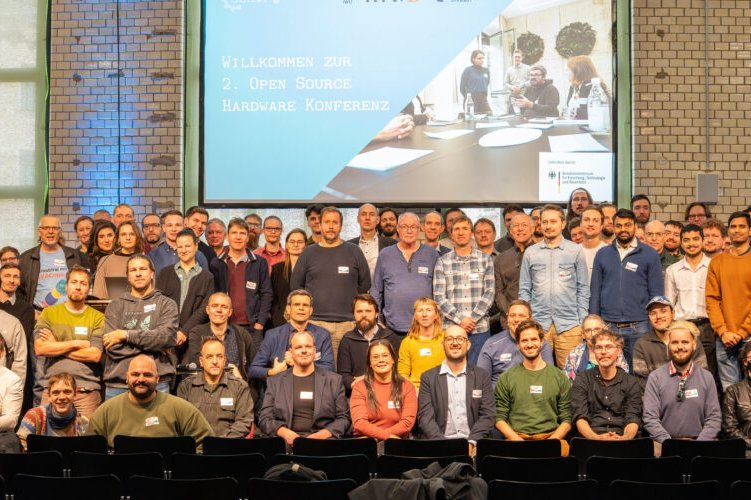
Review of the 2nd Open Source Hardware Conference
12.12.2025With its industrial ambience, the first day at the Chemnitz Industrial Museum provided the ideal setting for keynote speeches and technical presentations. Prof Dr Dirk Reichelt from HTW Dresden, the project coordinator of the OSHOP transfer room, and Prof Dr Steffen Ihlenfeldt, Director of the Fraunhofer IWU, opened the conference. With their impulses, they outlined the future development of OSH. The keynote speeches that followed were particularly influential. Radu Schwarz (Fraunhofer IISB) presented the open source battery management system foxBMS and Martin Duchene from Mekanika showed how a successful company in the machine tool sector can be built on the basis of open source. The international audience also enriched the programme. Christopher Lozinski from Poland (OS Image Processing Pipelines), Michael Weinberg from New York (Lessons from OSHWA Certification Program) and Erfan Korrani, who joined live from Iran (Colour Detection Board for Soil and Mineral Classification), shared perspectives from their projects and regions. The diversity of the contributions demonstrated the extent to which the OSHOP community is now globally networked. A new addition to the programme was the KONSTRUKTIV open source hardware competition, which we held for the first time this year. Nine teams presented their open hardware projects in pitches and in the show-and-tell exhibition. In addition to the jury, the audience was also able to vote on who should win the competition. First place went to Oskar Lidtke with his "orcuScooter", a sustainable open source scooter and an exciting vision for the future of Fab Labs. Second place went to Rainer Wieland and his forest fire early warning system. Third place went to Tom Dietel with "Libre Water", a system for decentralised drinking water treatment. A big thank you to all our teams, it was great to see so much commitment and enthusiasm and we are already looking forward to the next round of Konstruktiv! An overview of all submitted projects will soon be published on the OSHOP project website (www.oshop-network.de) ! The second day continued at Fraunhofer IWU. In addition to various presentations, Javier Serrano (Head of CERN's Open Hardware Initiative) gave a live keynote on "The OSHW Journey at CERN". Afterwards, participants were able to take part in various workshop formats. They could build an OSH bicycle light, solder an OSH photometer or discuss business models around open source hardware: The sessions offered many opportunities to exchange ideas and try things out. A World Café at the end collected ideas and wishes for the 2026 conference. It was two inspiring days full of new ideas, open discussions and community moments. We would like to thank all participants, speakers and supporters and are already looking forward to the Open Source Hardware Conference 2026!
-
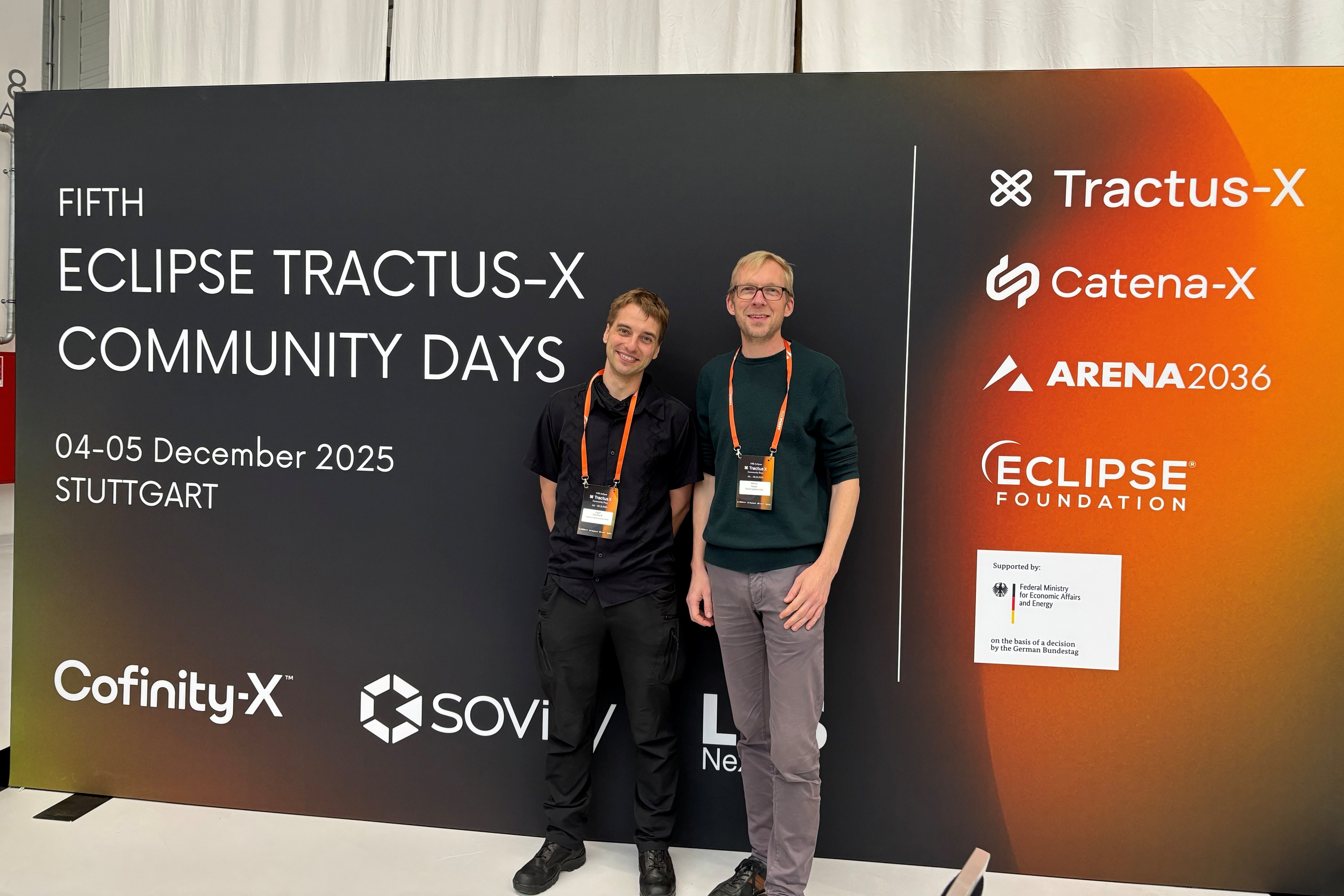
Tractus-X Community Days show ways to communicate across multiple data rooms
10.12.2025Amidst numerous exciting presentations and sessions, Ingolf Gehrhardt from the Chair of Information Management and Tobias Kutzler from the Fraunhofer IFF showed how traceability could be realised in the semiconductor industry and beyond in various data spaces with their workshop "Traceability in Semiconductor-X and cross dataspaces". The workshop clearly illustrated the special features of traceability in the semiconductor manufacturing supply chain, for example in comparison to the automotive industry. This was followed by lively discussions about the current status of cross-dataspaces and possible implementation paths - a lively dialogue to which numerous participants made valuable contributions. As a representative of the developer panel, Ingolf gave personal insights into his experiences within the TractusX open source community and highlighted both the opportunities and challenges of an open developer community. Special thanks go to the sponsors and especially Arena2036, who made the event possible under excellent conditions. The event not only demonstrated the aspiration to further develop Tractus-X as a technical basis for sovereign data spaces, but also as a lively community. We look forward to continuing the ideas developed in the workshop together and to the Community Days 2026.
-
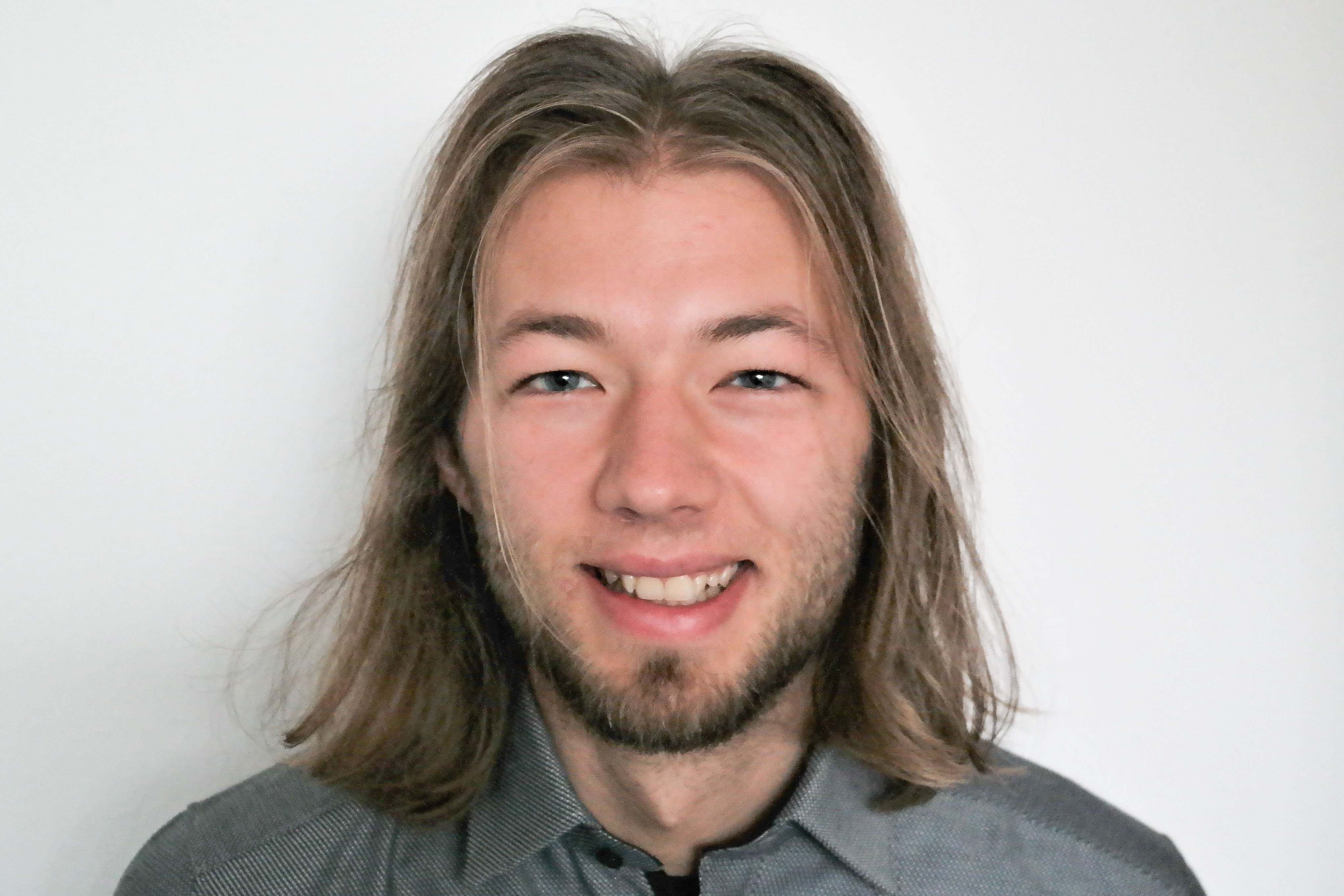
Welcome, Hans Kittelmann!
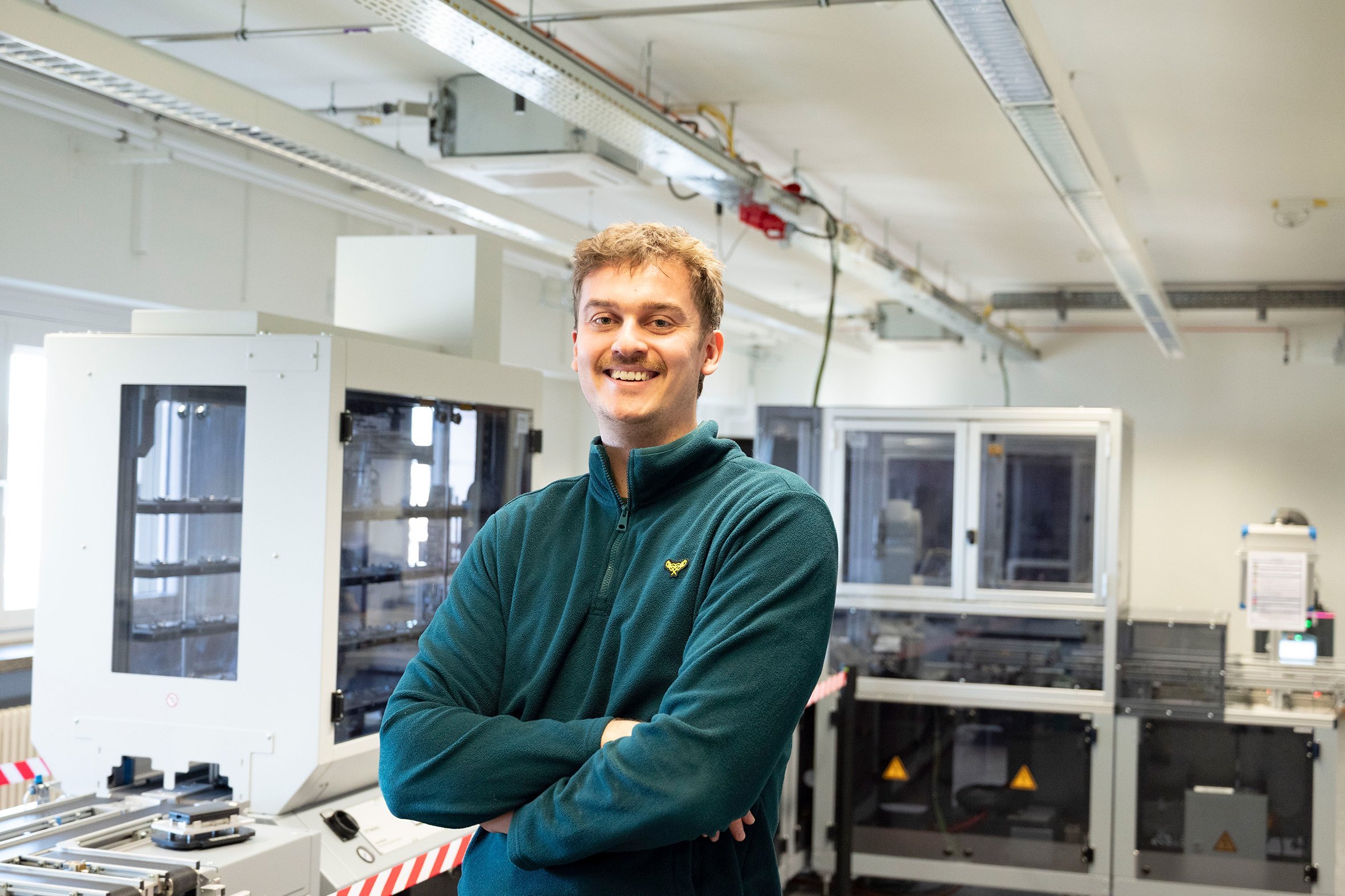
09.12.2025Hans studied computer science at the HTW Dresden and successfully completed his diploma in September 2025. His thesis was written at our professorship under the supervision of Prof Reichelt in cooperation with Telekom MMS GmbH. In it, he dealt with the " Development of a benchmark for evaluating device performance in heterogeneous test environments in the Mobile Device Cloud " - a topic that combines both technical depth and practical benefits. In the research project Semiconductor-X research project, Hans will play a central role in the area of IT security. In particular, he will be involved in analysing and evaluating complex security architectures. He will also develop approaches to identify vulnerabilities at an early stage, assess risks more precisely and review and further develop existing security measures. Hans is also very active outside of work: he goes to the gym, enjoys swimming and hiking. The PIM team warmly welcomes Hans and is very much looking forward to our time together.
-
International Days at HTWD
18.11.2025Would you like to study abroad in the winter semester 2026/27 or summer semester 2027? Then come to our events during the International Days and learn more about the organisation, implementation and financing of your exchange semester during your studies. You can find the latest information on studying abroad and the programme on the International Days website !

-
Call for applications opens: International Study and Practice Programme in Taiwan (STIPT)
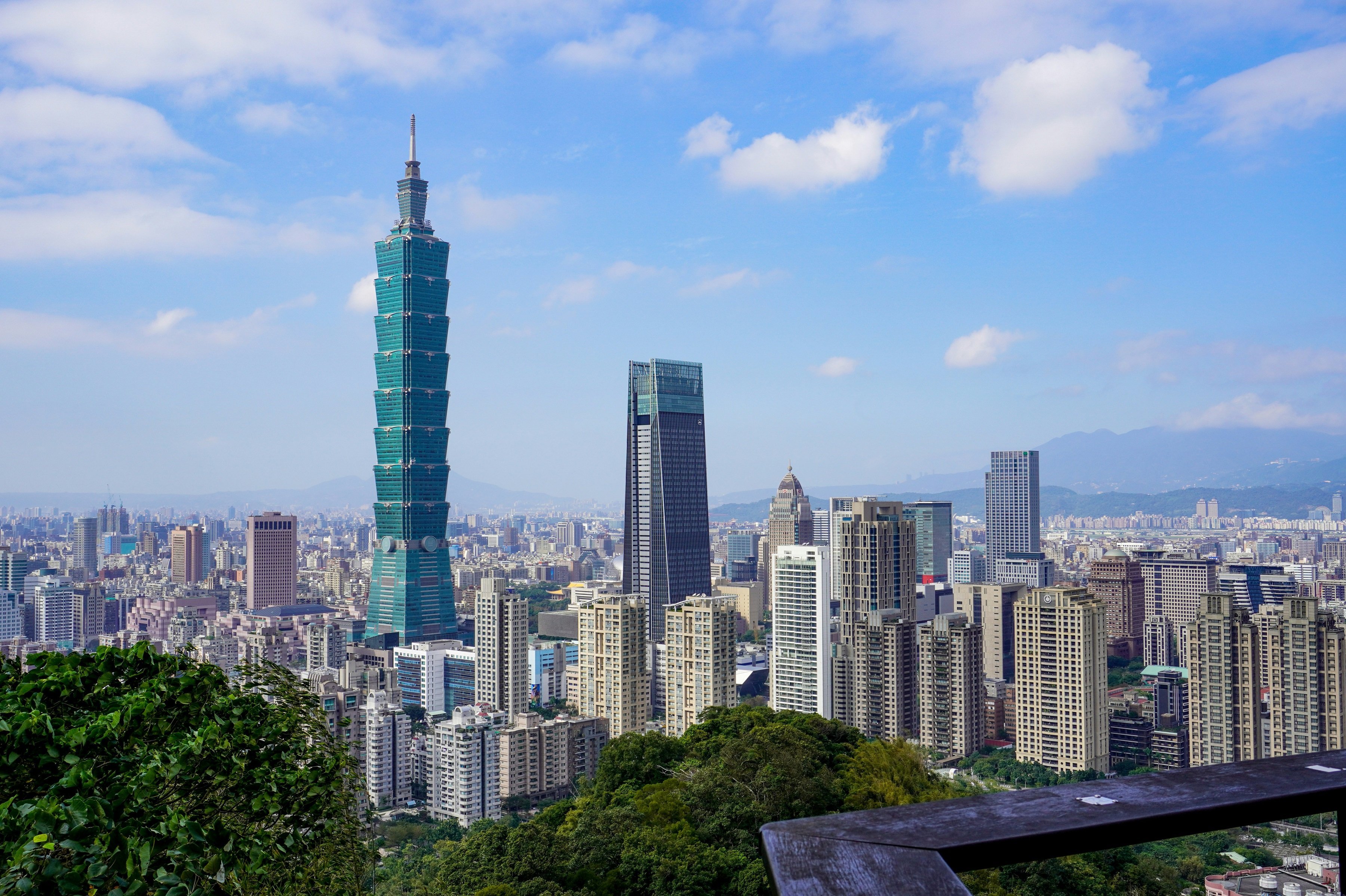
18.11.2025Dear Students, If you study mechatronics, mechanical engineering, device engineering, automation technology, or other semiconductor-related fields, the Semiconductor Talent Incubation Program Taiwan (STIPT) offers you a unique opportunity: Apply now for an international study and practical program in Taiwan – the hotspot of the global semiconductor industry! In cooperation with partner universities across Germany, our STIPT program collaborates with Taiwan Semiconductor Manufacturing Company Limited (TSMC) as well as the renowned universities National Taiwan University (NTU) , National Taiwan University of Science and Technology (NTUST or TaiwanTech) , National Yang Ming Chiao Tung University (NYCU) , and – starting in the fall of 2026 – National Tsinghua University (NTHU) . You can expect an exciting course program that is practice-oriented, future-focused, and closely linked to the key topics of the semiconductor sector. The highlight: After four months at the Taiwanese university, you will complete a practical training at TSMC, one of the world’s leading companies in the semiconductor market. Leonardo-Sachsen is now accepting your application for the winter semester 2026/27, with a study program at NTUST, NYCU, or NTHU. The call is open until December 12, 2025, 12 noon. Program link: ➚STIPT – Leonardo Sachsen Call for Applications: ➚STIPT – Calls – Leonardo Sachsen Advance Notice: A new call for summer semester 2027 will open in May 2026 Online information session for applicants on November 27, 2025, 9:00 am – 10:30 am: ➚Registration
-
International summer school at the HTWD strengthens the development of specialists for sustainable groundwater recharge
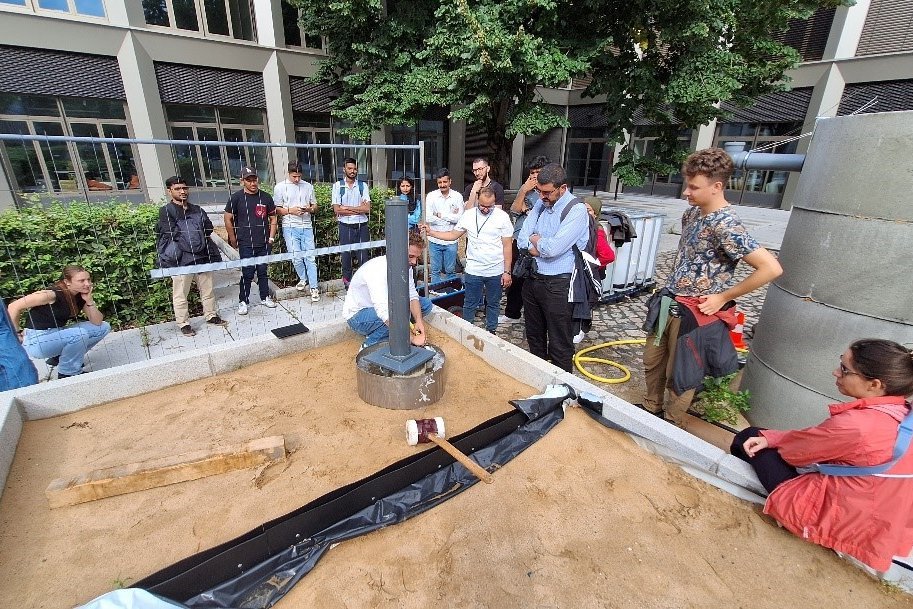
17.11.2025Targeted groundwater recharge (GWA), internationally known as managed aquifer recharge (MAR), is a key component of sustainable water management. It enables the controlled recharging of aquifers and improves water quality at the same time. As a nature-based solution, it is gaining relevance worldwide, particularly in regions that are severely affected by climate change. Global importance of groundwater recharge is growing An editorial in the international specialist journal Groundwater emphasises that hydrogeology will remain a key field in the future, but that not enough postgraduates are being trained to meet the growing demand (link: https: //ngwa.onlinelibrary.wiley.com/doi/10.1111/gwat.13439) . This is precisely where the international MARISS summer school comes in: It strengthens competences in GWA and bank filtration and builds up the next generation of specialists. International specialist training at the HTW Dresden From 1 to 6 September 2025, 18 experts and researchers from nine countries took part in the 6th MARISS Summer School. It was organised as part of the "MENAWAT" project, which is funded by the Federal Foreign Office via the DAAD-Ta'ziz programme and focuses on the water-scarce MENA region (countries in the Middle East and North Africa). In particular, the partner universities German Jordanian University (Madaba, Jordan) and Abdelmalek Essaâdi University (Tangier, Morocco) were involved. Participants also came from Tunisia, Lebanon, India, Japan, the Netherlands, Poland and Germany. Specialist contributions were also made by the Fernwasserversorgung Elbaue-Ostharz (FEO) and the INOWAS junior research group at TU Dresden. In her opening speech, Professor Kathrin Harre, Vice-Rector for Research, Sustainability and Transfer at HTWD, emphasised the importance of knowledge transfer: "MARISS is an example of how research results from applied projects on groundwater recharge can be transferred to education and training." Practice-oriented programme and international case studies The programme offered lectures and practical exercises on site assessment, water quality, monitoring, modelling with the INOWAS platform and the management of GWA systems. A highlight of the programme was the excursion to FEO's Torgau-Ost riverbank filtration site. In addition, researchers from the Indian Institute of Technology Roorkee expanded the summer school with contributions on the integration of GWA in the field of water nexus in India, which they developed as part of the DAAD programme GIANT and the SPARC programme of the Indian Ministry of Education. Since 2020, MARISS has been organised almost annually by the Department of Water Management at HTW Dresden together with TU Dresden and regional water suppliers. Research foci include GWA, bank filtration, well construction, water treatment and rainwater management.
-
Electrostatic separation method for microplastic contamination
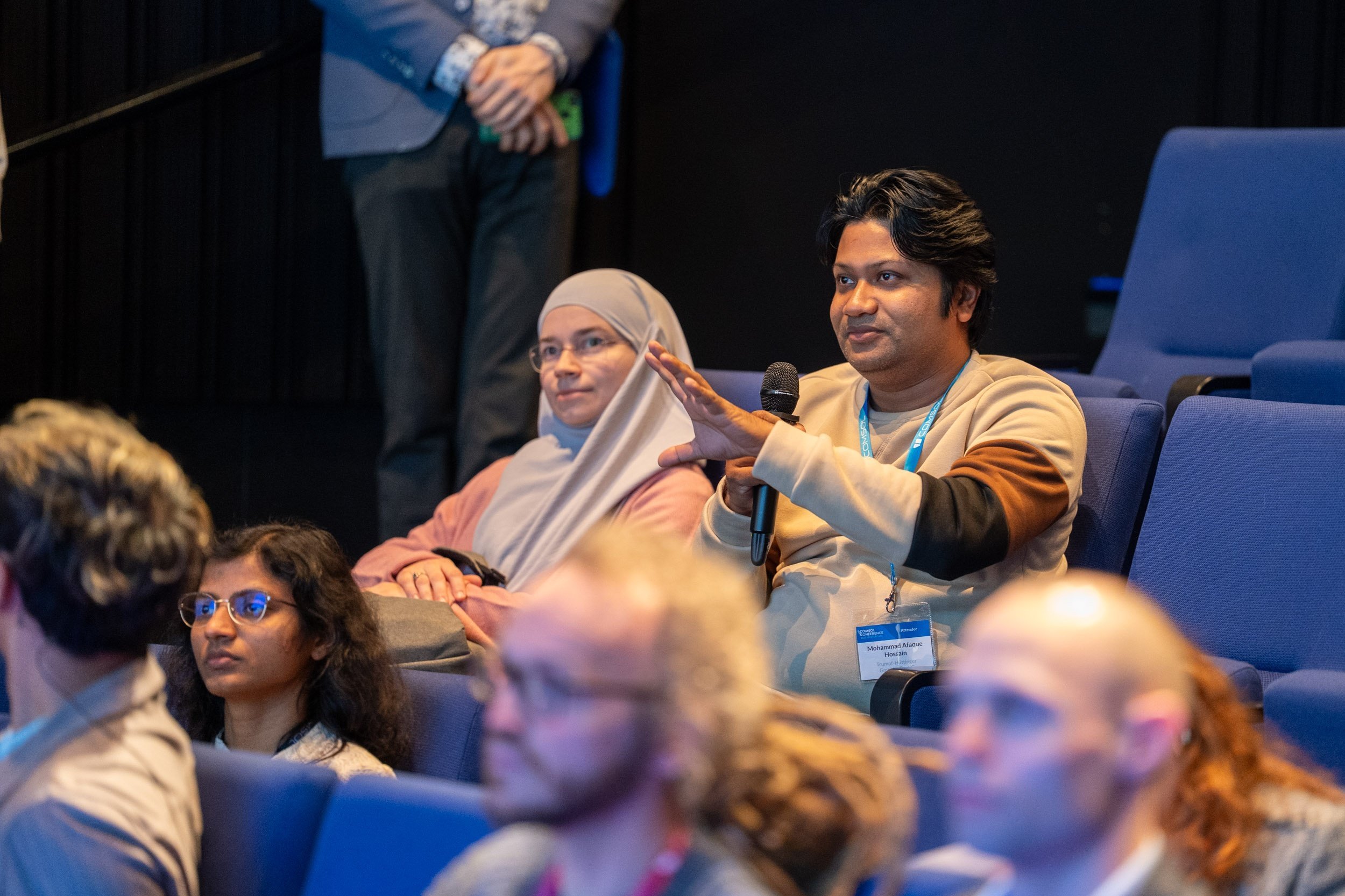
13.11.2025Research assistant Oksana Tovmachenko from the Dresden University of Applied Sciences attended the COMSOL Conference 2025 in Amsterdam from October 29-31, 2025. She presented her research on "Multiphysics Simulation and Analysis of Ion-Induced Charging for Microplastic Separation," developed in collaboration with Prof. Dr. M-P. Schmidt. The innovative work addresses the critical environmental challenge of microplastic contamination in sediment samples by developing an electrostatic separation method using corona discharge. Through advanced COMSOL Multiphysics® simulations combined with experimental validation, Tovmachenko demonstrated how different polymer types (HDPE, PP, PS) can be effectively separated based on their distinct charging behaviors, offering a sustainable alternative to traditional chemical-intensive separation methods. This research is part of the SEMUWA project (Sichere Entfernung von Mikroplastik bei der Uferfiltration und Trinkwasseraufbereitung in Sachsen), funded by the European Social Fund (ESF) and the Free State of Saxony (grant no. 100649438).
-
Portrait of doctoral candidates: Emanuel Schütz
03.11.2025This year, five young researchers were able to start their doctoral projects at the university. One of them is Emanuel Schütz who is being supervised by Prof. Dr.-Ing. Robin Ullrich (Faculty of Geoinformation). We asked him a few questions to get to know him and his research better. You are welcome to introduce yourself and briefly explain your PhD topic. I studied Geoinformatics at the University of Applied Sciences in Munich for my Bachelor's degree and Geomatics for my Master's degree. I got to know Professor Ullrich, who was in Munich at the time. He then supervised both of my theses and that's how we got in touch. I worked in industry for various engineering service providers in the automotive sector. My doctoral thesis deals with high-precision AR (augmented reality) in industrial surveying. My bachelor's thesis was the preparatory work for a research project and that's where the topic came up. Initially, I looked into it for an engineering firm that wanted to deal with the topic, but we didn't come to a conclusion there. I then pursued the topic a little further in my Master's thesis and created a kind of proof of concept. Now we want to look at it again properly in the form of a doctorate. And which resources and networks help you the most in your doctorate or your research? Since I've been working more with computer science, i.e. algorithms and codes, GitHub is particularly interesting. Otherwise, when it comes to background information, Research Gate and Google Scholar. Especially with regard to the doctorate in general, how to publish something and organisation, exchanging ideas with other doctoral candidates is of course ideal. LinkedIn is also practical to stay up to date and the graduate service with its many workshops is also a great help. What would you have liked to have known earlier or perhaps before your doctorate? I'll probably find out later, as I'm just starting out. I was also employed for a research project at Munich University of Applied Sciences during my studies and was able to make a lot of contacts with the doctoral students there. So I hope that I'm quite well prepared, know what to look out for and what it's like to work in research. Even though you haven't been doing your doctorate for that long, could you tell us what a typical day looks like for you at the moment? At the moment I'm doing a lot of programming and sometimes I come across problems that keep me busy. If I have an idea, I get up at four in the morning and try it out. Sometimes the days are quite long until a problem is solved, but when it comes about writing I set myself a schedule. Do you already know how to proceed afterwards? Depending on how my topic evolves. Of course, I'm also trying to make lots of contacts at the moment. After the doctorate, founding a start-up might be a goal. But I could also imagine teaching. It will now become clear in practice when I actually do some lessons. On the whole, I would definitely really enjoy staying in research. In whatever form. About the ESF PLUS doctoral programme The EU and the Free State of Saxony use the ESF PLUS directive to fund projects in the area of doctoral studies, among others. The aim of the ESF doctoral scholarships is to utilise the individual educational potential of academic specialists, especially women, by expanding their skills with regard to a stable, green, sustainable and digital economy in the Free State of Saxony. Eligible projects are state innovation doctorates, industrial doctorates, projects to reconcile family and academic career, combination of industrial doctorates and projects to reconcile family and academic career with a duration of up to four years. A basic scholarship, for example, is funded with 1,700.00 euros.